
What's next for Pfizer's Covid-19 vaccine after UK rollout
Reuters | Dec 8, 2020, 04.05 PM IST
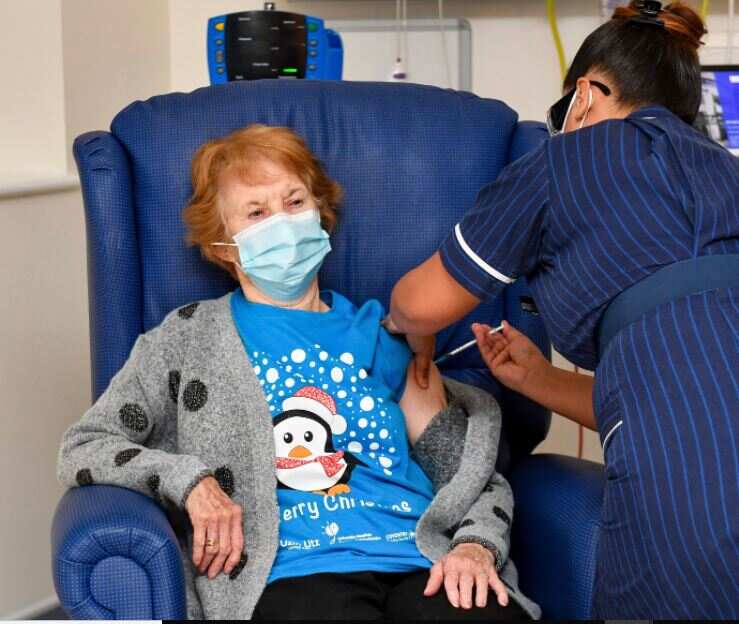
Britain began the mass-vaccination of its population against Covid-19 on Tuesday, becoming the first Western nation to do so in a global endeavour that poses one of the biggest logistical challenges in peacetime history.
Margaret Keenan, a 90-year-old grandmother from Britain, became the first person in the world to receive the Pfizer vaccine outside of a trial following its rapid clinical approval on Dec. 2.
Pfizer said in November final results from the late-stage trial of its Covid-19 vaccine showed it was 95% effective.
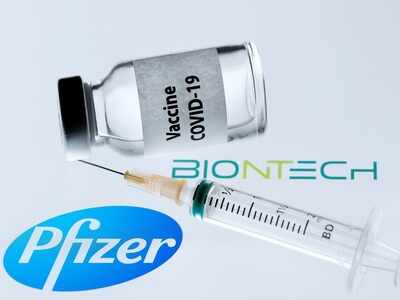
Below are the main details of the vaccine, progress on supply deals and potential approvals:
Type
- The vaccine, called BNT162b2, is based on messenger RNA (mRNA) technology, which uses a chemical messenger to instruct cells to make proteins that mimic the outer surface of the new coronavirus, thereby creating immunity.
- mRNA relies on synthetic genes that can be generated and manufactured in weeks, and produced at scale more rapidly than conventional vaccines.
- The new technology has not been approved for any other vaccines so far; Pfizer and BioNTech have already collaborated to develop influenza vaccines based on mRNA.
- The vaccine needs to be kept at minus 70 degrees Celsius (-94 F) or below
Dosage and expected cost
- Based on the supply deal with the United States, the price tag amounts to $39 for what is likely to be a two-dose course.
- Pfizer has said it will not charge other developed countries a lower price for the vaccine than what the United States will pay.
PROTECTION DURATION
- BioNTech Chief Executive Officer Ugur Sahin has said he is optimistic the immunization effect of the vaccine would last for a year. Scientists do not know how long the effect will last.
Pending approvals
- India is accelerating its review of Pfizer's vaccine to for emergency use, a senior official said on Dec.7.
- Canadian health authorities could approve the vaccine within the next week, medical officials indicated on Dec. 3.
- The European Medicines Agency said on Dec. 1 that if its experts have received enough data from Pfizer about the vaccine, the agency will complete its reviews by Dec. 29.
- Pfizer and BioNTech submitted approval requests for their vaccine candidates to the European drugs regulator on Dec. 1.
- U.S. FDA granted the vaccine a 'fast track' status in mid-July, and is expected to give more indications of its use this week.
- Pfizer signed a deal worth up to $750 million with BioNTech in March to co-develop the potential vaccine, and it ran clinical trials in April.
- Testing of the vaccine began in the United States in May after trials started in Germany the previous month.
Trials
- Trials are continuing globally in 154 locations, including in Germany, Japan, Brazil and in several locations within the United States in participants aged 12 years and older. The global Phase I/II/III trials enrolled about 44,000 volunteers.
Margaret Keenan, a 90-year-old grandmother from Britain, became the first person in the world to receive the Pfizer vaccine outside of a trial following its rapid clinical approval on Dec. 2.
Pfizer said in November final results from the late-stage trial of its Covid-19 vaccine showed it was 95% effective.
Meet 90-year-old UK woman, first to get Pfizer vaccine shot in the world
Margaret Keenan, a 90-year-old grandmother, on Tuesday became the first person in the world to receive the Pfizer Covid-19 vaccine shot outside of a trial as Britain began vaccinating its population. Keenan received the vaccine at her local hospital in Coventry, central England, on Tuesday morning at 0631 GMT, a week before she turns 91.
Below are the main details of the vaccine, progress on supply deals and potential approvals:
Type
- The vaccine, called BNT162b2, is based on messenger RNA (mRNA) technology, which uses a chemical messenger to instruct cells to make proteins that mimic the outer surface of the new coronavirus, thereby creating immunity.
- mRNA relies on synthetic genes that can be generated and manufactured in weeks, and produced at scale more rapidly than conventional vaccines.
- The new technology has not been approved for any other vaccines so far; Pfizer and BioNTech have already collaborated to develop influenza vaccines based on mRNA.
- The vaccine needs to be kept at minus 70 degrees Celsius (-94 F) or below
Dosage and expected cost
- Based on the supply deal with the United States, the price tag amounts to $39 for what is likely to be a two-dose course.
- Pfizer has said it will not charge other developed countries a lower price for the vaccine than what the United States will pay.
PROTECTION DURATION
- BioNTech Chief Executive Officer Ugur Sahin has said he is optimistic the immunization effect of the vaccine would last for a year. Scientists do not know how long the effect will last.
Pending approvals
- India is accelerating its review of Pfizer's vaccine to for emergency use, a senior official said on Dec.7.
- Canadian health authorities could approve the vaccine within the next week, medical officials indicated on Dec. 3.
- The European Medicines Agency said on Dec. 1 that if its experts have received enough data from Pfizer about the vaccine, the agency will complete its reviews by Dec. 29.
- Pfizer and BioNTech submitted approval requests for their vaccine candidates to the European drugs regulator on Dec. 1.
- U.S. FDA granted the vaccine a 'fast track' status in mid-July, and is expected to give more indications of its use this week.
- Pfizer signed a deal worth up to $750 million with BioNTech in March to co-develop the potential vaccine, and it ran clinical trials in April.
- Testing of the vaccine began in the United States in May after trials started in Germany the previous month.
Trials
- Trials are continuing globally in 154 locations, including in Germany, Japan, Brazil and in several locations within the United States in participants aged 12 years and older. The global Phase I/II/III trials enrolled about 44,000 volunteers.