
- News
- Business News
- India Business News
- Budget 2018: Fuel bill gets tax cut, but can’t escape cesspool
Trending
This story is from February 2, 2018
Budget 2018: Fuel bill gets tax cut, but can’t escape cesspool
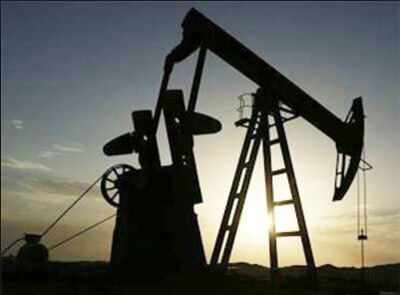
The Budget pared excise duty on petrol and diesel, but took away the benefit by raising cess by an equal amount. So there’s neither a Budget shock nor cheer for motorists.
In other words, if pump prices aren’t jumping on higher cess, they aren’t coming down either because of the excise cut.
This means you’ll have to continue to pay more for motor fuels in tune with rising global crude prices.
The Budget reduced the basic excise duty by Rs 2 a litre to Rs 4.48 on petrol and Rs 6.33 on diesel. But at the same time, the road cess, also described as additional excise duty, was rechristened ‘road and infrastructure cess’ and raised by Rs 2 to Rs 8 a litre on both fuels. There’s a view in the industry that a lower excise duty will help pare pump prices if crude cools off in the days ahead.
This sends a strong signal to investors that the Modi government’s reform measures are for the long term,” he said.
In the meantime, consumers are sure to fret over the fact that the government had cumulatively raised excise duty on petrol by Rs 11.77 per litre and on diesel by Rs 13.47 a litre between November 2014 and January 2016, taking advantage of global oil prices dipping to $30/barrel levels.
But fuel bills have been steadily rising since August last year as global oil prices rebounded on a production cut deal between Opec and other major producers such as Russia that sucked out excess supply in the market.
Crude has jumped to $70/barrel level since Opec and Russia on November 30 extended the production cut deal by a year.
This has pushed pump prices to record highs in many cities, with petrol price hitting Rs 80 a litre in Mumbai. Public anger too has risen on the government’s refusal to cut excise further after last year’s reduction of Rs 2 announced on October 3.
The government has steadfastly maintained that it has done its bit and it was now for states to reduce VAT.
Alternately, it wants motor fuels to be brought under GST, which will then do away with excise duty. After the Centre reduced excise in October, only five states reduced VAT, while the debate over bringing fuels under GST continues.
Congress had made the high excise duty on fuels and rising pump prices an issue in the last session of Parliament.
End of Article
FOLLOW US ON SOCIAL MEDIA









Photostories

Hot Picks
TOP TRENDING
Trending Stories
In Business
Entire Website
- Will banks open only for 5 days a week? Here’s what you should know about IBA’s proposal
- India set to be third largest economy, says S&P Global
- Dalal Street bull run continues! BSE Sensex crosses 69,000 for the first time; Nifty above 20,800
- Byju’s reduces notice period for employees as troubles mount
- Sensex surges over 900 points, Nifty above 20,550 as BJP state election wins bolster Modi's Lok Sabha 2024 prospects
- UltraTech to buy building materials business of Kesoram in 7,600 crore deal
- Tata Technologies stock debuts at a bumper 140% premium; share price at Rs 1200 on BSE
- Tata Technologies share allotment: How to check IPO allotment status, listing date, GMP
- BSE m-cap rides rally in Adani stocks, tops $4 trillion
- Charlie Munger, who helped Warren Buffett build Berkshire, dies at 99
- 'No pressure on me': MUDA chief K Marigowda quits amid land scam allegations
- Threat messages for flights: 'Working on putting them on no fly list,' says govt
- Can the government get people to have more babies?
- 'Terrorism unlikely to encourage trade': Top quotes from Jaishankar's speech in Pakistan
- 'Sitting here': Fadnavis hints at Mahayuti's CM face ahead of polls
- India vs New Zealand, 1st Test: Rain washes out Day 1
- Nobel winners decode why some nations succeed while others fail
- Bishnoi wants aapka address…: Viral memes after Canadian PM targets India
- ‘One of the biggest…’: New rail-road bridge in Varanasi approved
- Baba Siddique murder: How shooters learnt to operate guns through YouTube videos


Popular Categories
Hot on the Web
Top Trends
Justin TrudeauIND vs NZ Live ScoreRohit SharmaOmar AbdullahAllan LichtmanJharkhand Election ScheduleVaranasi Rail Road BridgeAkasa Air Flight Bomb ThreatMaharashtra Election Full ScheduleBengaluru FloodJohn Cena RelationshipsBaba SiddiqueAshes ScheduleRBI Summer InternshipMaharashtra Election ScheduleJharkhand Election ScheduleLive Cricket Score
Trending Topics
Diwali WishesJigra Movie ReviewFake PaneerDevara OTT ReleaseVettaiyan CollectionRam GopalLawrence BishnoiCow GheeBigg Boss 18Salman KhanShraddha KapoorRatan Tata Passed AwayNana PatekarSharad Purnima Moonrise TimeSwatantrya Veer SavarkarSharad Purnima 2024Top Load Washing MachinesBest Premium LaptopsNonstick Cookware SetsWordle Answer
Living and entertainment
Latest News
How Chennai Night Race swerved past challenges to zoom toward a brighter motorsports futureOnly 26.8% of Indian youth in the academic age group have internet browsing skills: Can this impact quality education?Ex-Indian cricketer Ajay Jadeja now wealthier than Virat KohliInfosys to no longer send job offer letters and attachments, the company will ...Bigg Boss 18: Avinash Mishra evicted by housemates following major clash with Chum Darang; Eisha Singh and Alice Kaushik left stunnedHappy Govardhan Puja 2023: Top 50 Wishes, Messages and Quotes to share with your loved onesAndre Chase Returns to NXT as Lexis King Defeats Oro Mensah in Gentleman’s DuelAshes 2025-26 fixtures announced: Australia vs England series to begin at Perth'Test cricket is nothing but...' - Indian players reveal what the red-ball format means to themWWE NXT Results and Highlights 10/15: Triple Threat No. 1 Contender match, Stephanie Vaquer vs. Wren Sinclair, and moreActress Helen Nelson aka Oviya files complaint against morphed viral video, takes legal actionRaghav Juyal's VIDEO of getting his shoe lace tied by someone else in public goes viral, netizens react as they get disappointed!'If we can keep Bumrah quiet': Pat Cummins outlines strategy for Australia in Border-Gavaskar TrophyOviya lodges police complaint over her private video leak15-page letter circulating online accuses IBM China head of misconduct; here's what company said while confirming the letter7 deadliest reptiles in the world from venomous snakes to turtlesWorld Cup Finals: Sonam Maskar saves the day for IndiaOctober Full Moon 2024 Tonight: When and How to Watch Hunter's Moon?
Copyright © 2024 Bennett, Coleman & Co. Ltd. All rights reserved. For reprint rights: Times Syndication Service