The highlight of
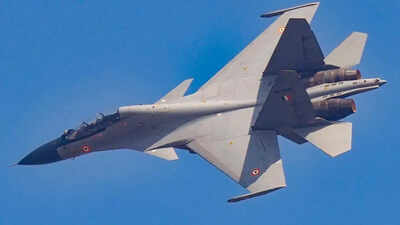
Operation Sindoor for India was Sukhoi-30 MKI launching missiles and disabling Pakistani air force bases. The Su-30MKI, with around 260 in service are the backbone of the of the Indian Air Force's fighter fleet. These fighters are routinely deployed by India for different types of operations and for exercises with other air forces. The aircraft has now been in Indian service for over 2 decades and the latest airframes are expected to be in Indian Air Force service at least till the 2050s.
In modern warfare, where the skies are dominated by electronic warfare systems, long-range missiles and real-time battlefield networking, the Indian Air Force is preparing to give its Sukhoi Su-30MKI fleet a major boost under the ambitious ‘Super Sukhoi’ upgrade programme. During Operation Sindoor where the aircraft played key operational roles including long-range patrol, escort and strike support missions, underlining its importance as the workhorse of the IAF’s fighter fleet.
This fighter is pivotal for the air force's power projection strategy. However, in the rapidly changing nature of aerial warfare, the aircraft's older avionics and sensor suite need to be upgraded to keep them relevant.
This makes the Super Sukhoi program a critical necessity for the IAF to enhance the survivability and combat capability of the aircraft in future network centric battlefields.
The Super Sukhoi programme is primarily led by Hindustan Aeronautics Ltd and the Defence Research and Development Organisation along with the support of Russian OEM (Original Equipment Manufacturer).
These planned upgrades for the fighter are: -
Photo credit :- X/@alpha_defense
·
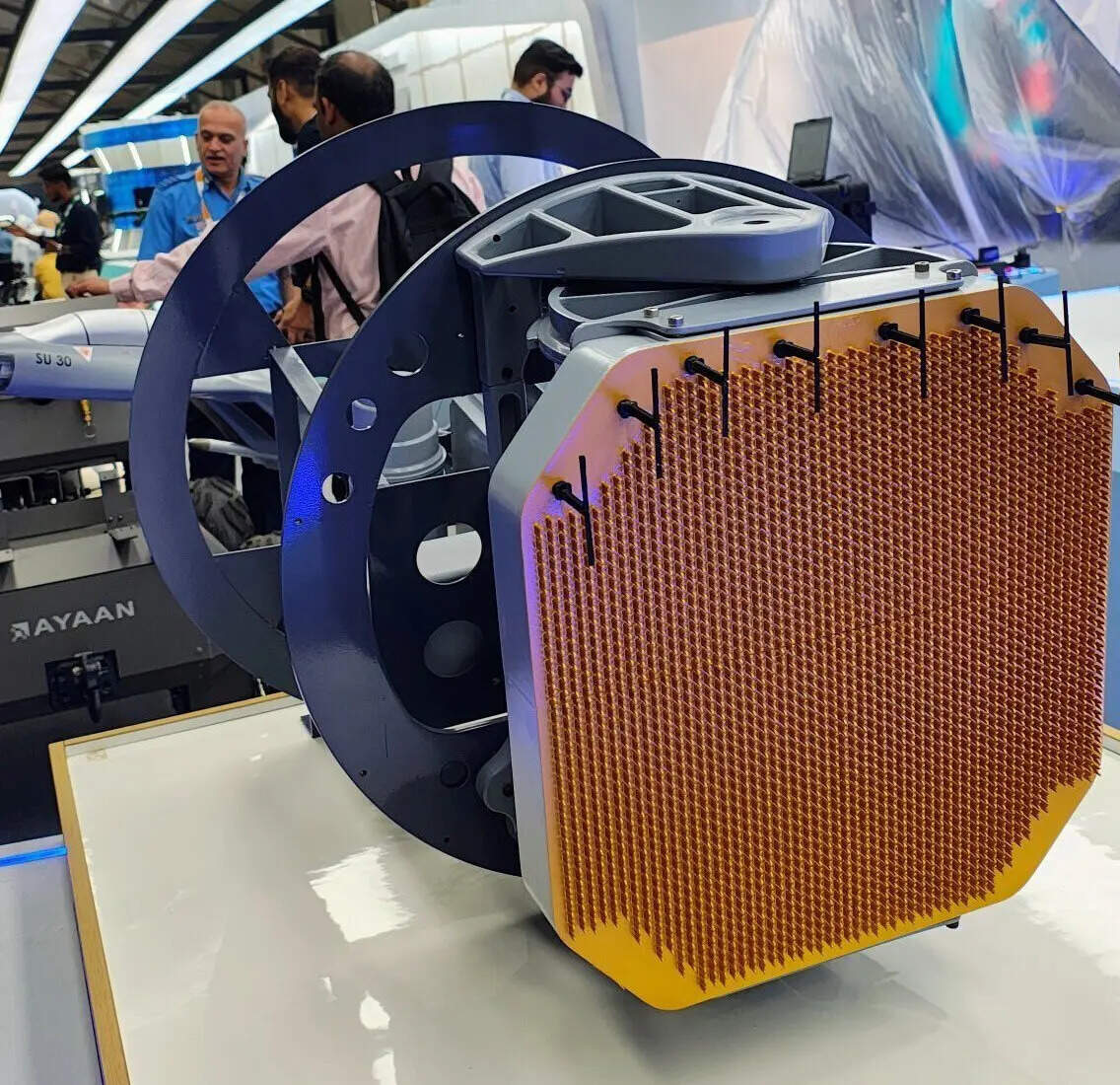
Gallium Nitride-Based Virupaksha AESA radar is the most important upgrade which will increase the radar detection range by 50 percent with better resistance to jamming.
· Advanced Electronic Warfare (EW) Suite is planned to enhance its survivability with indigenous systems like
Dhruti next generation radar warning receiver and external Airborne Self Protection jammer (ASPJ).
· The Aircraft is expected to receive new Mission computer, digital displays and sensor fusion capability in its cockpit.
· New secured data links to be integrated to operate in a network centric environment with real time data sharing with AWACS and ground radars
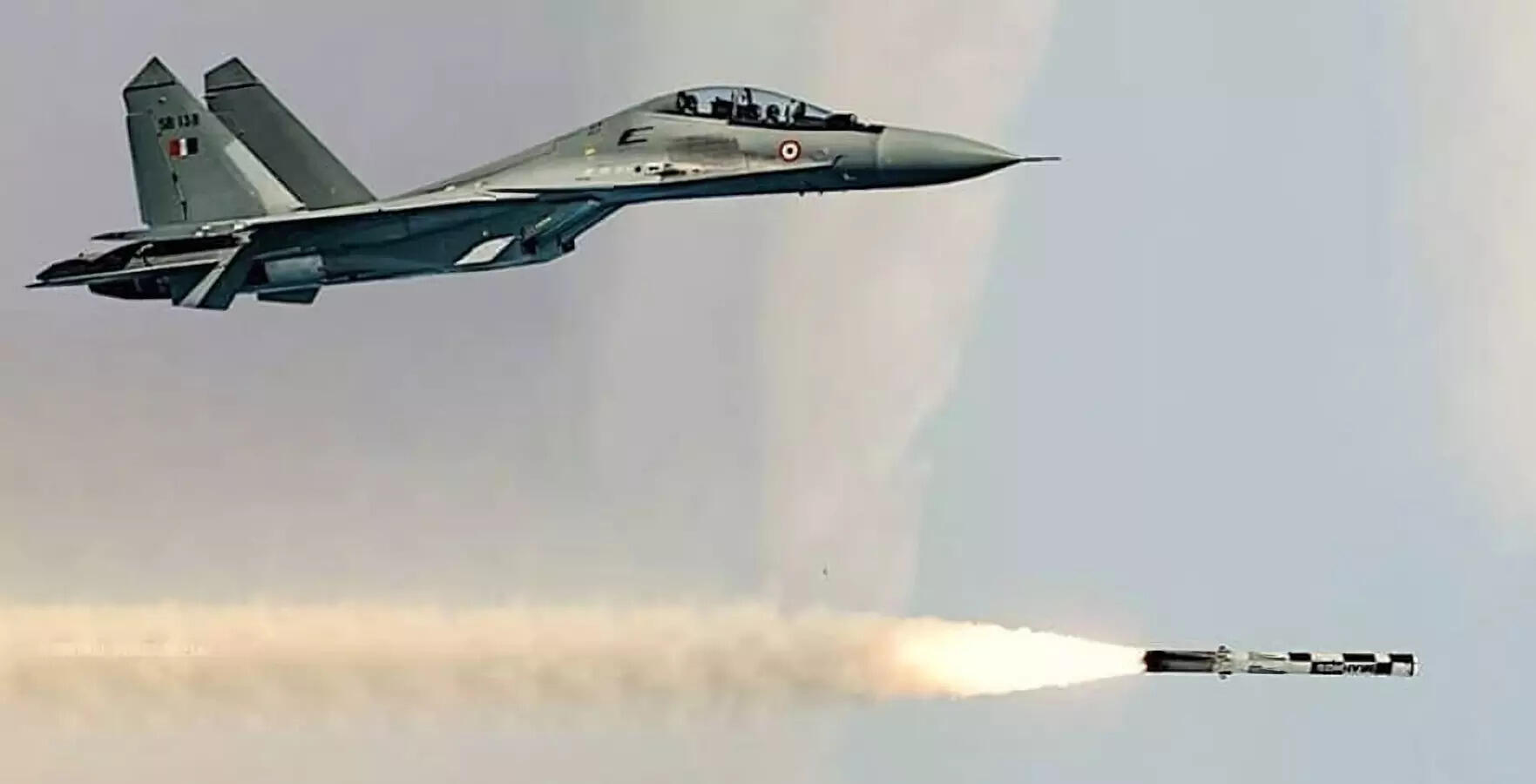
· A wide range of indigenous standoff weapons and long-range missiles are planned in the upgrade including new and upgraded version of Astra air-to-air missile and the supersonic Brahmos missile.
· Around
84 aircraft are planned in the first phase and eventually 200 more will be upgraded with around 51 systems planned under the modernization.
The modernization effort reflects a global trend where major Air forces continue to invest in heavily upgraded fourth-generation fighters despite the prominence of fifth generation stealth fighters. For instance, US air force is inducting and upgrading the F-15 EX (Eagle II) in large numbers. The importance of SU-30 MKI fleet was proven during Operation Sindoor last year.
SU-30 MKI launching Brahmos Missile
With the planned upgrades, Su-30MKI will be relevant and key part of IAF’s combat fleet well into 2050’s. With the advent of drones and loyal wingmen in the network centric warfare, the SU-30MKI is expected to evolve well beyond a traditional fighter aircraft to a platform capable of operating as part of a larger future warfare ecosystem.