- News
- entertainment
- events
- nagpur
- Nagpur celebrates an evening of Dastangoi
Trending
This story is from March 15, 2019
Nagpur celebrates an evening of Dastangoi
It is said to have originated somewhere in Iran in 13th Century
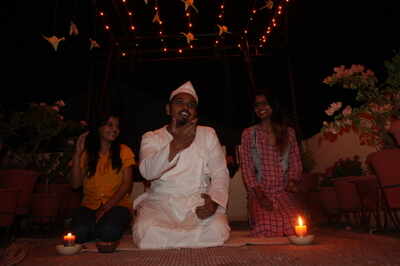
Dastangoi sessions are organised in city homes, either at the host’s terrace or in the garden, with a small gathering of people, who share a deep love for stories, shares dastango and poet Hussain Rasheed.

This format of storytelling is quite dramatic, yet it is distinctly different from a regular play. This is what makes it stand apart, shares avid reader and theatre lover Anuja Rai. “Since Dastangoi is devoid of all the razzmatazz of lights, elaborate sets and the props that go with it, its success depends solely on the magical words uttered by the datango. I recently attended a session of this unique storytelling format and was immensely intrigued by Kabir’s dastan and the back stories, which made him a saint and an icon for all ages,” says Anuja.
While grandmothers love to give new twists and turns to their bedtime stories fine-tuned over the years, a dantango has to memorise the entire script before performing in front of an inquisitive and intelligent audience. Hussain endorses this as he says, “There is one particular dastan of Kabiriyat, on which I’m working for months and it is still a work in progress. Along with the Arabian Nights narrations, which dwell heavily on magic carpets, stunning shehzadis and the devil who can change forms at will, the city youngsters also like modern dastans including Mantoiyat, which reveal the anger, hunger and revolutionary thoughts of a great writer like Manto.”
The language used in these dastans is usually either Hindustani or Khadi Boli. At times youngsters find it difficult to decipher the meaning of certain words, a fact that also serves as a hindrance. Simplifying the tales and making them more relevant to the contemporary audience, will go a long way in popularising this beautiful art form, shares a young surgeon Dr Manmeet Meshram. “A dastangoi session was recently hosted at my brother’s place. Since I have been reading Urdu poetry for a while, I was quite comfortable with the language used, but if stories become more modern, without compromising on their historic roots, a lot of youngsters will be able to relate with them and it will help revive this dying art,” adds Manmeet.
End of Article
FOLLOW US ON SOCIAL MEDIA








Photostories
entertainment videos

Featured In Movies
Popular Categories
Entertainment NewsBollywood NewsTollywood NewsKollywood NewsMollywood NewsMovie ReviewsLatest Hindi MoviesLatest Tamil MoviesMX PlayerParenting TipsHome RemediesWeight LossBeauty TipsParenting TipsHindi VideosHindi Video SongsBhojpuri Music VideosLatest Telugu MoviesBhojpuri Music VideoHindi TV News
Trending in Entertainment
Latest MoviesBollywood MoviesHollywood MoviesTamil Movies 2024Telugu Movies 2024Malayalam Movies 2024Kannada Movies 2024Marathi Movies 2024Bengali Movies 2024Top Rated Movies 2024Best Hindi MoviesBest English MoviesBest Telugu MoviesBest Tamil MoviesBest Malayalam MoviesBest Kannada MoviesBest Bengali MoviesUpcoming Hindi MoviesBest Movies Of All TimeBest Hindi Movies of All Time
Trending in Etimes
Horoscope TodayNumerology Predictions TodaySean Diddy MotherKarachi Airport ExplosionKamala HarrisJimmy KimmelBelly FatHurricane MiltonSunita WilliamsDepression RiskBelly Fat LossBarbra StreisandSnoring Prevention TipsDonald TrumpElon MuskRelationship TipsLake Michigan DiscoveryRelationship TipsEkadashi in October 2024
Trending in TV
Trending in Lifestyle
Trending in Regional
Movie Reviews
Binny And Family ReviewLove, Sitara ReviewWill & Harper ReviewWolfs ReviewYudhra ReviewJo Tera Hai Woh Mera Hai ReviewKahan Shuru Kahan Khatam ReviewHis Three Daughters ReviewNever Let Go ReviewDancing Village: The Curse Begins ReviewTransformers One ReviewFirst Love ReviewBerlin ReviewThe Buckingham Murders Review
Upcoming Hindi Movies
Upcoming Regional Movies
Latest News
India set to discuss surge in silver imports with UAEAmbala Cantt Assembly Election Result 2024: BJP's big gun Anil Vij faces multiple partiesAquarius, Daily Horoscope Today, October 08, 2024: . You are likely to receive recognition5 of gang involved in extortion, robberies, nabbed; 3 pistols,18 rounds recoveredUrban apathy drags voter turnout in HaryanaWhen Trump allowed Melania to watch top-secret Special Forces operation: 'Did she have security clearance?'Why are the CEOs of most luxury brands stepping down?Gurgaon Assembly Elections Results 2024: AAP relies on Congress, BJP rebels to gain footholdMelania: What Donald Trump and Barron said about bestseller before release'I own a Glock and yes, I’ve fired It,' says Kamala on 60 Minutes; rules out solo talks with PutinEr Rashid calls for keeping govt formation on hold to press for statehood restorationKathua (SC) Assembly Election Result 2024: Counting of votes today‘Ke Prothom Kachhe Eshechi’s Mihi aka Radhika Karmakar makes an appearance in ‘Rannaghar’ with her motherVaibhav & Athulya Ravi's 'Chennai City Gangsters' trailerBest Gaming Laptops Under 60000 That Deliver High Performance'Toolkit used to open trunk, paper scanned': CBI gives full details of how UG-NEET paper was leaked'Nervous Nineties': Sachin Tendulkar’s 'unwanted' record in international cricketPanchkula Assembly Election Result 2024: Vote counting today, BJP's Gian Gupta is pitched against Congress's Chander Mohan
Other Group Sites -
ETimes is an Entertainment, TV & Lifestyle industrys promotional website and carries advertorials and native advertising.