- News
- entertainment
- kannada
- theatre
- Staging a play through dance and music
Trending
This story is from January 21, 2018
Staging a play through dance and music
Daya Sakrepatna’s Shiva is a profound piece of art on alternative identities
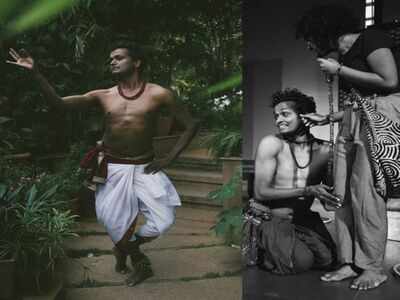

“Concepts related to gender identity and relationships are still, at most times, viewed as Western thoughts in our country. Through this performance, we are trying to put those concepts in an Indian context. The idea is to lead the audience to a platform where they not only get an exposure to things, but are also ready for a dialogue on alternative identities. At the same time, we also want to bring in a little more fluidity and experimentation to established art forms like Bharatanatyam and Carnatic music,” says Daya, who is a Bharatanatyam dancer, theatre artist and playwright.
Conceptualized in January 2017,
Shiva
has been developed through a series of readings and feedback loops with theatre practitioners, dancers, writers and photographers. A group of 11 actors enact 14 characters in the dance-drama. The performance is taking place today at Shoonya – Centre for Art and Somatic Practices.Describing it as a heady confluence of dance music and realistic storytelling, Daya says, “In
Shiva
, hand movements and body language are used as tools to narrate the storyline, as characters are not essayed as explicitly through dialogues as in regular plays. There is an attempt to create a resonance via unspoken words, which is expected to bridge the gap and provide the courage to speak for oneself, culminating in a shift of thought and attitude in others.”And the story goes…
Shiva
traces the story of a young poet, named Shiv, and his journey of opening up to his mother about his sexuality through a series of letters and poems. Primarily, these letters and poems deal with the universal themes of conviction, fear and choice. But they are also an expression of a child’s deep longing for acceptance from a parent. These themes play out as simple and poignant stories of everyday people and their journeys around gender identity and sexuality; stories that bear Shiv to the culmination of his journey, depicting his mother’s journey of acceptance.End of Article
FOLLOW US ON SOCIAL MEDIA




Photostories
entertainment videos
Featured In Movies

Popular Categories
Trending in Entertainment
Latest MoviesBollywood MoviesHollywood MoviesTamil Movies 2024Telugu Movies 2024Malayalam Movies 2024Kannada Movies 2024Marathi Movies 2024Bengali Movies 2024Top Rated Movies 2024Best Hindi MoviesBest English MoviesBest Telugu MoviesBest Tamil MoviesBest Malayalam MoviesBest Kannada MoviesBest Bengali MoviesUpcoming Hindi MoviesBest Movies Of All TimeBest Hindi Movies of All Time
Trending in Etimes
Trending in TV
Trending in Lifestyle
Trending in Regional
Movie Reviews
The Wild Robot ReviewSmile 2 ReviewAayushmati Geeta Matric Pass ReviewJigra ReviewVicky Vidya Ka Woh Wala Video ReviewBougainvillea ReviewSir (Tamil) ReviewRocket Driver ReviewAaryamala ReviewBlack ReviewVettaiyan ReviewJhini Bini Chadariya ReviewColourrs Of Love ReviewAmar Prem Ki Prem Kahani Review
Upcoming Hindi Movies
Upcoming Regional Movies
Latest News
Pics: Hina Khan seeks peace at Haji Ali Dargah during her brave fight against cancerBest Watches for Men To Suit Every Style and OccasionMoody's assigns first-time Baa3 ratings to Bajaj FinanceEldeco: A Legacy of Excellence in Real EstateBigg Boss 18: Avinash Mishra evicted by housemates following major clash with Chum Darang; Eisha Singh and Alice Kaushik left stunnedKarnataka NEET UG 2024 mop-up round provisional allotment withdrawn by KEA, revised result to be issued today: Check details hereWhen Deepika Padukone opened up about fame and money in Bollywood; Says, 'It’s easy to get carried away'Taylor Swift plans tribute to Liam Payne after his tragic death during final Eras TourVijay's 'Kaththi' and 'Mersal' re-release postponedKing Charles III's first visit to Australia reignites debate on ending ties to British monarchyHappy Diwali 2021: Best SMS, Images, Wishes, Facebook, and WhatsApp messages to send as Happy Diwali greetingsBigg Boss Tamil 8: VJ Vishal teases Dharsha Gupta over her Cooking, sparks emotional outburstKarwa Chauth moonrise time today, Puja timing and Puja Samagri'Unlikely I am going home': Bangladesh's Shakib Al Hasan on playing farewell Test in MirpurKartik Maas 2024 Start and End Date: Time, Puja Rituals and SignificanceStudent kills self in Kota, 15th this yr7 deadliest reptiles in the world from venomous snakes to turtles'Aaqib bhai, Pakistan cricket ko kya ho gaya?' Gautam Gambhir asked - Watch
Other Group Sites -
ETimes is an Entertainment, TV & Lifestyle industrys promotional website and carries advertorials and native advertising.