
- News
- etimes
- animals-pets
- 7 animals that can live without a heart; these creatures will change how we think about life
7 animals that can live without a heart; these creatures will change how we think about life
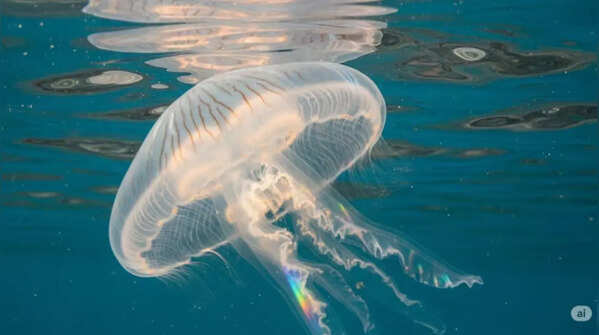
The animals that can live without a heart
For humans, the heart is everything. It's our engine, constantly pumping blood and keeping us alive with every beat. So the idea of any animal getting by without a heart sounds wild, almost impossible. But take a closer look at nature, and you’ll find creatures quietly breaking all the rules. From deep in the ocean, hidden in muddy rivers, even clinging to rocks in the shallows, some animals just don’t play by the same biological book.
Some have ditched the heart completely. Others use setups so different from ours that scientists are still figuring out how they work. Instead of a heart, these animals get by with simple diffusion, body contractions, or weird internal plumbing that does the trick. Some let oxygen drift straight through their skin. No blood vessels, no main pumps — it’s just biology finding a way.
These oddballs are forcing scientists to ask if a heart is really as essential as we thought. Turns out, it all depends on how a creature evolved, what it does, and where it lives. Little organisms, slow movers, or water-loving types often don’t need as much energy as mammals. So they run on borrowed time and simple tech that would never keep a human alive.
Here we detail seven incredible animals living perfectly well without a heart, and the weird ways they manage it.
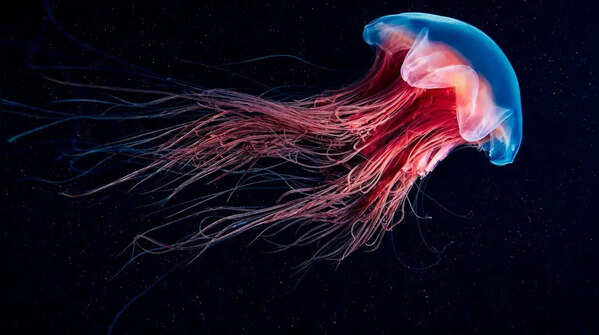
Jellyfish
Here comes the heartless drifter! Jellyfish might be the most famous animal with no heart at all. They also have no brain and no lungs, and yet they’ve hung around for over 500 million years, much longer than humans. Instead, jellyfish rely on diffusion. Their soft, watery bodies are thin enough that oxygen just seeps in from the seawater. Inside, everything moves through a simple internal cavity — not veins or arteries. The pulsing motion of a jellyfish? It’s partly how they move food and water around without needing a pump. Basically, the jellyfish's body acts as its own “circulatory system.”
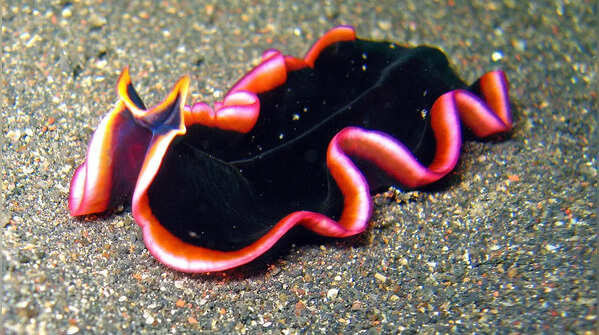
Flatworms
Talk about breathing right through their skin. Flatworms keep things even simpler. No heart, no blood vessels — just a slim, ribbon-like body so thin that oxygen passes through the skin and spreads by diffusion. Nutrients do the same. The result? No need for any central pump at all. Some flatworms are also famous for regenerating lost body parts, even regrowing a whole head if needed. Scientists love them for this because it makes them top study subjects for regeneration and stem cell research.
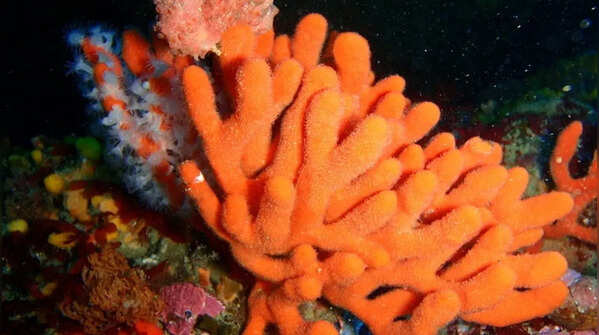
Sea sponges
Sea Sponges, the filter feeders, look like underwater plants, but they’re one of the most ancient groups of animals. No heart, no nerves, no true organs, really. They survive by pumping water through their bodies using special cells, filtering out oxygen and food as the water flows by, and pushing waste back out. That’s it, and some sponges keep going for thousands of years. So simple, but they’ve outlasted most creatures on Earth.
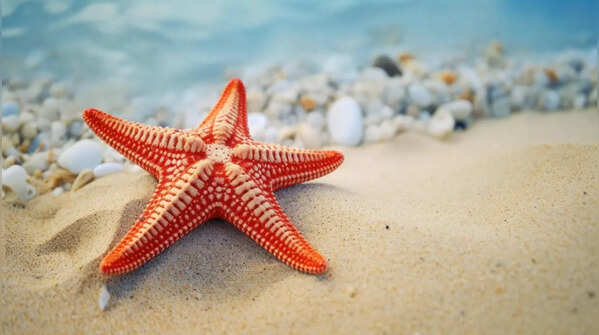
Starfish
Sea stars or starfish, living with water power, don’t have a heart either. Instead, they use a water vascular system, a network of fluid-filled canals, to move nutrients, oxygen, and even themselves. Water gets pumped in through a special spot called a madreporite, then gets pushed around inside, running their tube feet and helping them scoot across rocks. This same system helps them regrow arms, too. It’s weird, but it works.
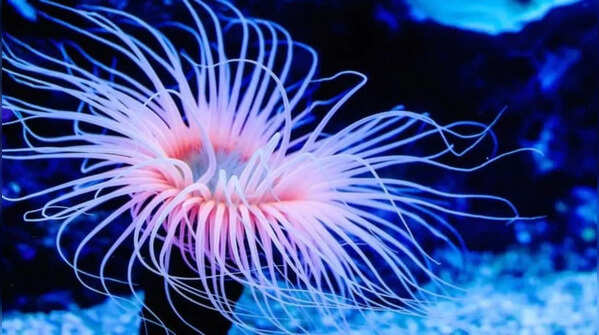
Sea anemones
And here are the predators without pumps. Sea anemones look like underwater flowers but are actually sneaky predators, cousins of jellyfish and corals. No heart (again), barely a body plan. Oxygen and nutrients move around purely by diffusion and simple cavity systems. Their tentacles, loaded with stingers, let them capture food and survive just fine with the basics. They might look delicate, but they thrive in oceans all over the world.
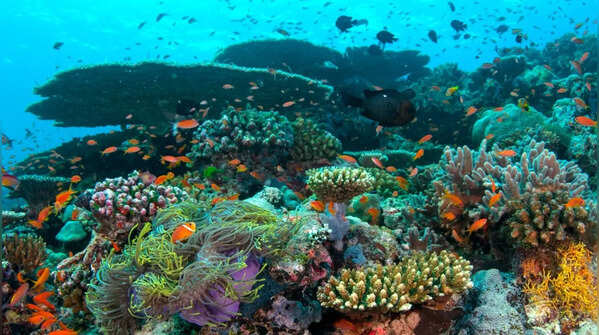
Corals
Imagine building whole reefs with no heart! Corals show how working together can replace a heart. These tiny animals, coral polyps, have no hearts or circulatory systems. Instead, they get nutrients from seawater, plus a big assist from tiny algae living inside them. Each little polyp works with millions of others to build giant reefs. In the process, they create critical habitats for a quarter of all marine life, all by doing things the “simple” way.
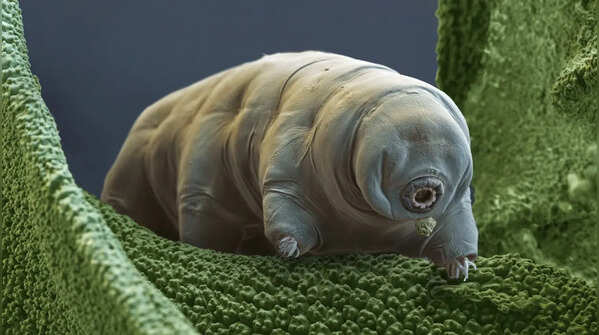
Tardigrades
Then there’s the tardigrade, the water bears that can’t die. These microscopic “water bears” have no heart, no lungs, and not much else, but seem nearly impossible to destroy. People have found them surviving freezing, boiling, radiation, dehydration, and even the vacuum of space. Fluid-filled cavities and diffusion do all the work inside, as they have no real circulation at all. And if things get rough, water bears can shut down completely, waiting for better times, a trick called cryptobiosis. Scientists think these creatures could hold clues to future super-medicine or even life in space.
Featured In etimes

