
- News
- etimes
- animals-pets
- 8 rattlesnake facts that explain how these venomous snakes hunt, strike and survive
8 rattlesnake facts that explain how these venomous snakes hunt, strike and survive
8 rattlesnake facts that explain how these venomous snakes hunt, strike and survive
Rattlesnakes are arguably one of the most familiar species of snakes in America. These snakes have a very distinctive rattle, a triangular head, and potent venom. These reptiles are part of the viper family and can be found in various habitats, including deserts, forests, grasslands, and rocky regions of southern Canada and parts of South America.
Rattlesnakes have generally been perceived as a threat or a menace by people. However, over the years, scientists have conducted a lot of research on these species of snakes. It has been found that these reptiles are highly specialised predators with exceptional biological attributes. These attributes help them survive in a challenging environment. Rattlesnakes have exceptional biological attributes that few reptiles have. These attributes include their swift strike and their unusual method of making a rattle noise.
PC: AI-Generated
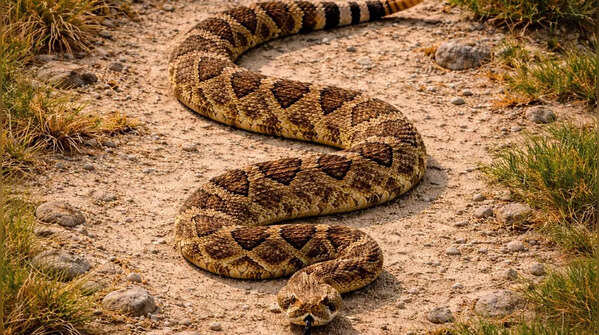
Rattlesnakes are among the largest venomous snakes in North America
Some species of rattlesnakes can also grow quite large. The Eastern diamondback rattlesnake is the largest venomous snake in North America and can grow up to more than two meters in length. Its large body and diamond pattern make it quite identifiable.
The large size and potent venom of these snakes make them apex predators. They regulate the population of small rodents and animals, which indirectly helps agriculture and the environment.
PC: AI-Generated
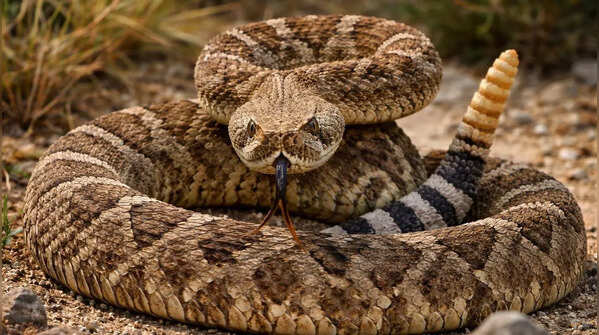
The famous rattle grows every time the snake sheds its skin
The rattling parts at the end of the rattlesnake’s tail consist of keratin, the same material that the human fingernail is composed of. A new rattle is added to the rattlesnake’s tail every time it sheds its skin.
There is the common belief that the number of segments on the rattlesnake’s rattle gives the snake’s age. This is, however, not true. The segments of the rattlesnake’s rattle tend to break.PC: AI-Generated
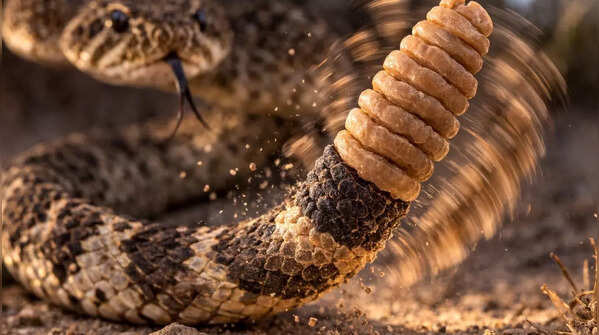
Rattlesnakes can vibrate their tails extremely fast
The rattle is more than just an alerting device. There are special muscles in the tail that allow rattlesnakes to shake their rattles at incredible speeds.
Research has revealed that the rattle vibrates between 50 and 100 times per second. This creates the buzzing noise that deters predators and humans from approaching the snakes. The buzzing noise is an effective defence mechanism that deters rather than promotes conflict.PC: AI-Generated
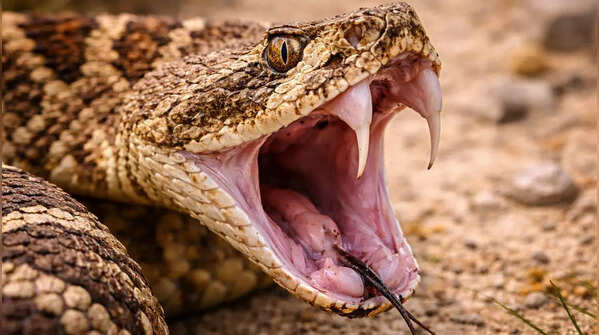
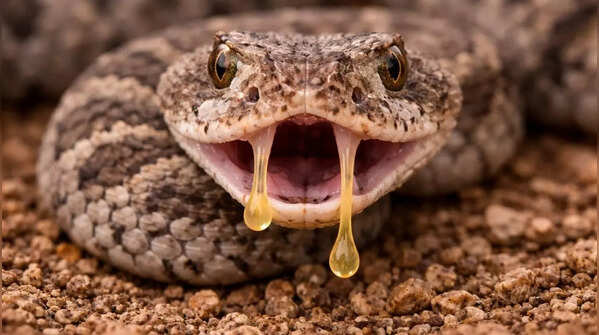
Their fangs fold like tiny hypodermic needles
Rattlesnakes are part of a family of snakes called pit vipers. These snakes have long hollow fangs that are connected to glands filled with venom. These fangs are folded inside the snake's mouth most of the time.
When a snake strikes at its prey, these fangs come out of the mouth like needles and inject the venom into the prey. After the snake bites its prey, these fangs fold back inside the snake's mouth.PC: AI-Generated
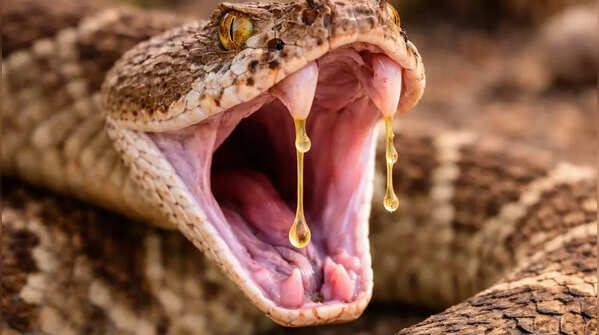
Rattlesnakes can control how much venom they inject
One interesting feature associated with rattlesnakes is that they are able to control the venom ejected during a strike. They do not always eject venom during a strike.
For instance, scientists have noted that these types of snakes are able to deliver a “dry bite,” whereby little or no venom is injected during a strike. This feature is useful to the snake as it is used for hunting purposes and not for defensive purposes.PC: AI-Generated
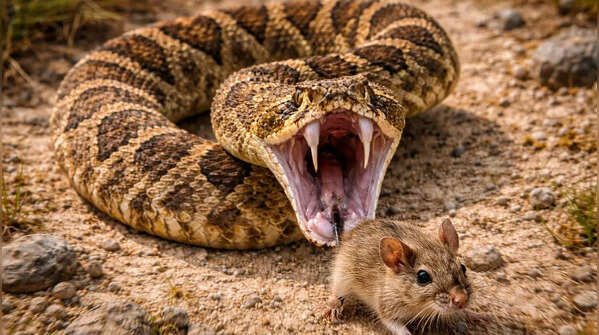
These snakes can strike faster than human reaction time
The speed of the rattlesnake’s strike is extremely fast. Research has indicated that the speed of the rattlesnake’s strike is close to 3 meters per second.
As the speed of the rattlesnake’s strike is extremely fast, it is beyond the capacity of humans to avoid the bite of the rattlesnake as soon as the snake strikes. This is the reason why it is recommended that humans keep a distance from the rattlesnake.
PC: AI-Generated
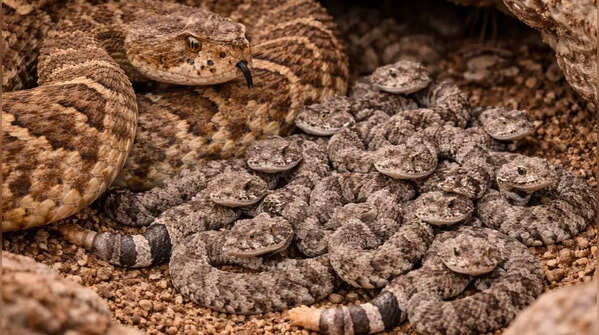
Many rattlesnakes hibernate together in large groups
During the cold months, rattlesnakes undergo dormancy, referred to as brumation. This is similar to hibernation in other animals. Instead of sleeping alone, rattlesnakes sleep in large groups in dens.
There are cases where hundreds of rattlesnakes sleep in one den. This den maintains temperatures that protect the rattlesnakes from harsh winter conditions.
PC: AI-Generated
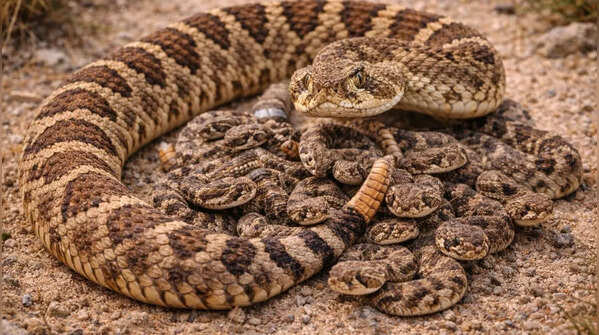
Rattlesnakes give birth to live young
Unlike most species of snakes that give birth to eggs, rattlesnakes are ovoviviparous. This means that they carry the eggs in the mother’s womb until they hatch.
The female snake then gives birth to these baby snakes, and there can be anywhere between 5 and 20 baby snakes. These baby rattlesnakes have rattles and venom glands, thus enabling them to defend themselves.
PC: AI-Generated
Featured In etimes

