
- News
- etimes
- animals-pets
- 9 facts about snow leopards that explain why they are called the ‘ghosts of the mountains’
9 facts about snow leopards that explain why they are called the ‘ghosts of the mountains’
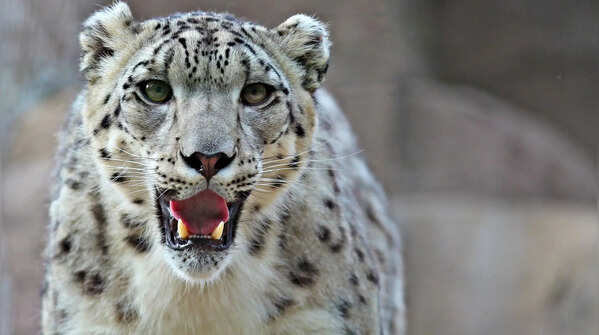
Why snow leopards remain one of the world’s most mysterious animals: 9 fascinating facts
Most wild animals today are constantly seen online. Tigers show up in documentaries every week, lions dominate wildlife reels, and cheetah videos somehow appear on everyone’s social media feed sooner or later.
Snow leopards are different.
People know they exist. They have seen photographs. But spotting one in real life is so rare that the animal almost feels unreal – like something designed for mountain folklore rather than actual forests and cliffs.
That is partly because snow leopards live in remote Himalayan and Central Asian mountains where conditions are harsh, freezing, and difficult even for humans. But it is also because these animals are naturally secretive. They avoid attention, move quietly, and blend into rocky landscapes so well that they can disappear within seconds.
Here are 9 facts that make snow leopards one of the most fascinating big cats on the planet.
Images: Canva (for representative purposes only)
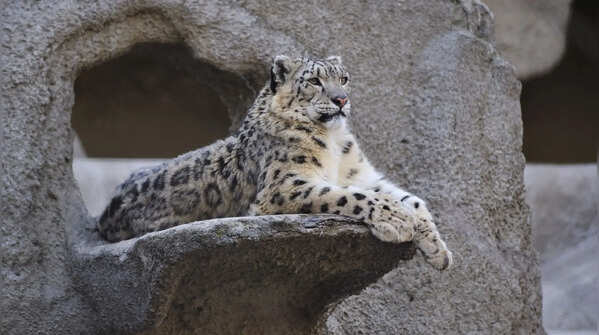
They are known as the “ghost of the mountains”
This nickname did not appear randomly.
Snow leopards are incredibly hard to spot in the wild because their greyish-white fur blends almost perfectly with mountain rocks and snow-covered terrain. Even trained wildlife teams sometimes spend days tracking one without success.
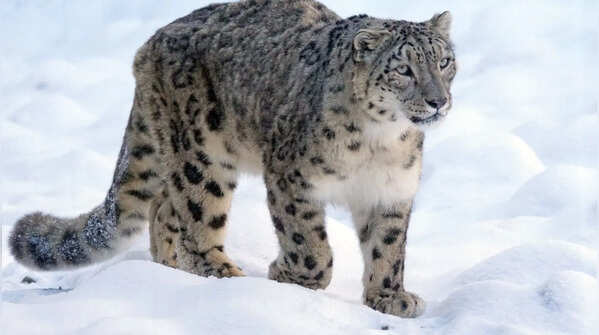
They do not roar like lions
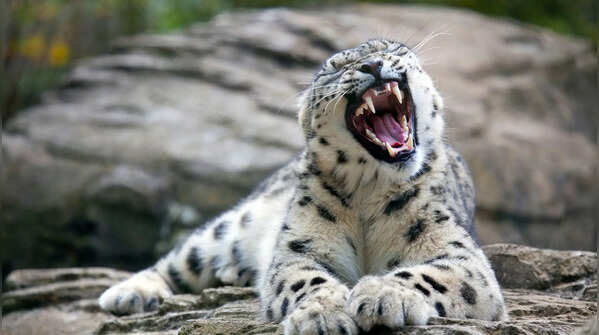
Most people assume all big cats roar. Snow leopards do not.
Instead, they make softer sounds like growls, hisses, yowls, and something called chuffing – a quieter vocal sound also heard in some other wild cats.
For an animal that looks this powerful, the voice often surprises people.
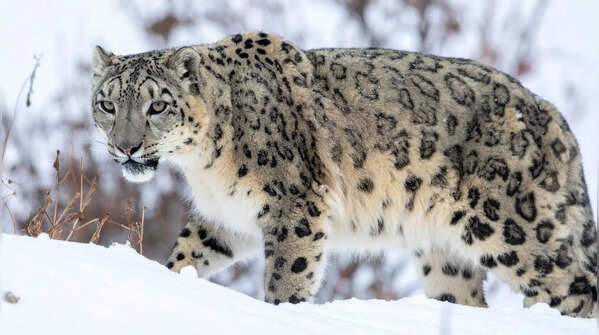
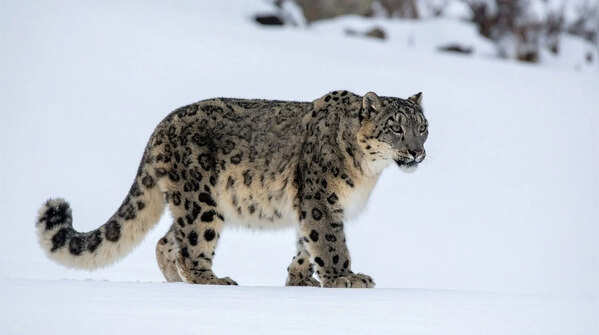
Their tails are unusually long
One of the first things people notice about snow leopards is the tail.
It is thick, fluffy, and extremely long compared to the rest of the body. The tail helps them balance while climbing rocky mountain edges and jumping across steep terrain.
During very cold weather, snow leopards are also known to wrap their tails around their faces while resting to keep warm.
They live at very high altitudes
Snow leopards survive in mountain regions where oxygen levels are lower and temperatures become brutally cold.
They are found across parts of India, Nepal, Bhutan, Mongolia, China, and nearby regions. In India, they are mainly seen in the Himalayan belt, especially in Ladakh and Himachal Pradesh.
Very few predators are comfortable in these environments, but snow leopards are built for it.
They can jump surprisingly far
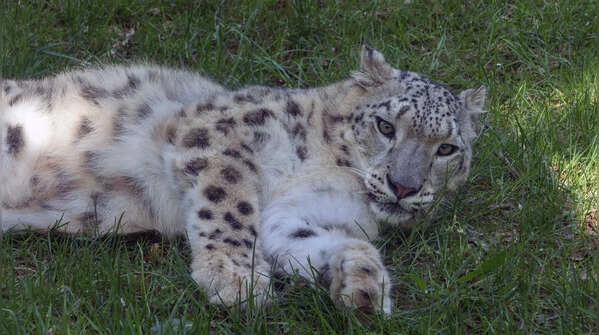
Snow leopards may look calm while resting, but they are extremely powerful hunters.
They can leap across huge rocky gaps while moving through mountains. Some jumps are several times the length of their own body, helping them travel through dangerous terrain with remarkable speed and balance.
Their paws help them walk on snow more easily
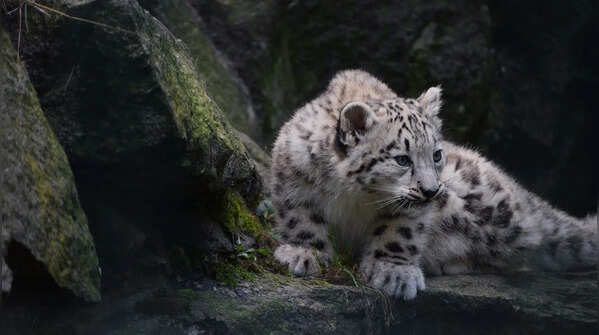
Snow leopards have large paws covered with fur, which helps them move across snow without sinking too much.
The fur also protects them from icy surfaces. In many ways, the paws work like natural snow boots designed for mountain survival.
They usually prefer being alone
Unlike lions that live in prides, snow leopards spend most of their lives alone.
They quietly move through their territories and generally avoid unnecessary interaction with others except during mating season or while raising cubs.
This solitary behaviour is another reason sightings are rare.
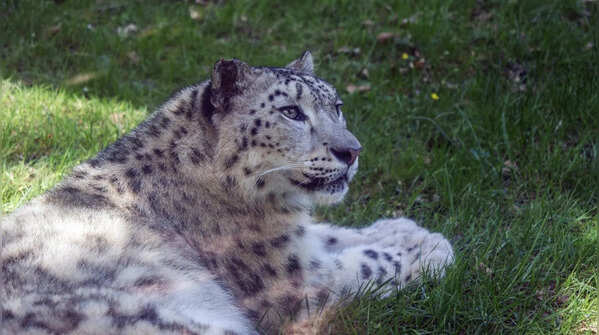
They are most active during early morning and evening
Snow leopards usually hunt around dawn or dusk instead of during the middle of the day.
Wildlife experts believe this helps them stay hidden while also improving hunting opportunities in mountain terrain where visibility changes quickly.
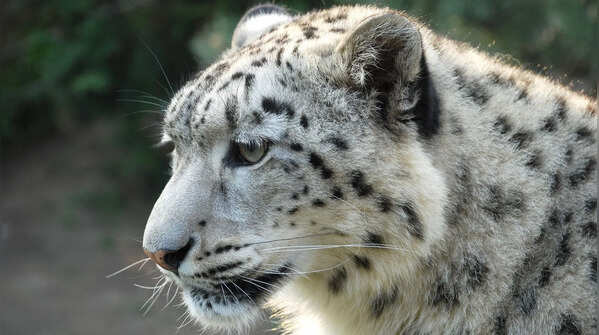
Their fur is extremely thick
The weather in snow leopard habitats can become dangerously cold, especially during winter.
To survive those temperatures, snow leopards have dense fur that keeps them insulated in freezing conditions. Their coat is one of the thickest among big cats living in cold environments.
Featured In etimes

