
- News
- etimes
- animals-pets
- From Seals to Whales: 7 animals that produce thickest milk on earth
From Seals to Whales: 7 animals that produce thickest milk on earth
From Seals to Whales: 7 animals that produce thickest milk on earth
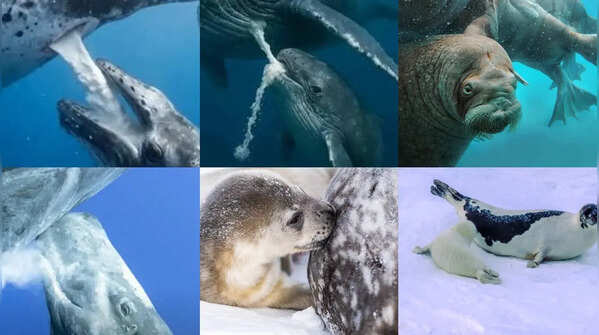
Milk serves as one of the most crucial survival tools for infants provided by nature. However, not all milks are the same. For instance, while human milk contains about 4-5 percent fat and cow's milk comprises 3-4 percent fat, other mammals can produce such fat-rich milk that it would be comparable to a cream rather than a regular milk. According to scientists, mammals residing in tough climatic zones require very fat-rich milk in order to allow their offspring to put on weight quickly, keep them warm, and provide them with energy reserves. These are just some of the most fat-rich types of milk produced by different mammals in the world.
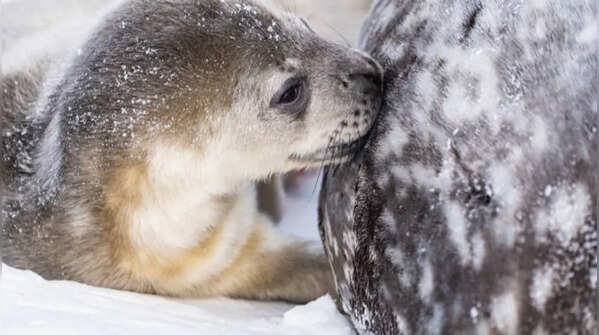
Hooded seal – The winner in milk-fat concentration
This seal is known for producing one of the fattest milks of all mammals. It is believed to be one of the richest kinds of natural milk because it contains up to 60 per cent fat. Scientists explain the high fat richness of this milk by the fact that the pup is weaned within several days, which makes it necessary for them to put on weight rather quickly. Due to its high-fat content, the pups are able to double their body weight by nursing.
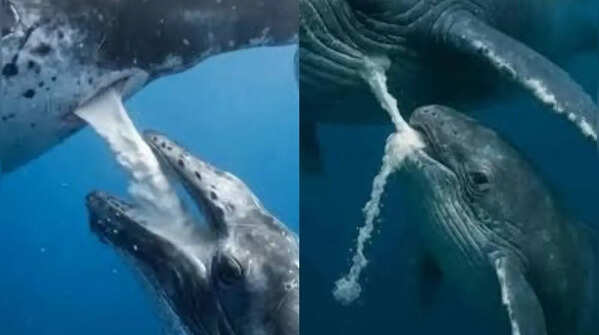
Blue whale – Milk for growing giants
The blue whale is recognized as the biggest animal ever to appear on Earth, and this is made possible due to its very fat-rich milk. It has approximately 35-50 percent of fat. What is interesting is that this milk is almost similar to toothpaste. Due to this specific texture, it does not scatter in seawater quickly. It was estimated that blue whale calves may gain up to 90 kilograms a day by nursing. Without a doubt, such rapid development could not be possible without extremely nutritious milk.
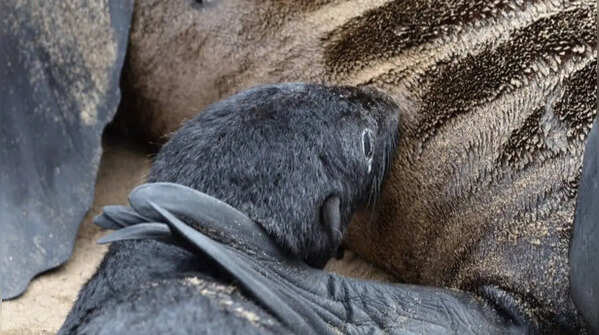
Northern fur seal – Surviving in the cold
Like all the other seals, this kind of mammals produces relatively fat-rich milk. It contains up to 40-50 percent fat and provides offspring with essential nutrients, allowing to survive in cold waters. Unlike most seals, the mothers feed away from their young ones. Thus, northern fur seals should be capable of storing enough energy in their milk in order for pups to survive without food until mothers return home from long trips at sea.

Harbour porpoise – Fat-rich milk in a tiny package
The harbor porpoise is one of the smallest representatives of cetacean mammals. Nonetheless, they provide their young ones with fat-rich milk. The milk has approximately 40 percent fat, which enables rapid development of the calf during the first few weeks after birth. Due to the necessity to teach calves how to swim and fish, the young ones require very fat-rich milk to get enough energy.
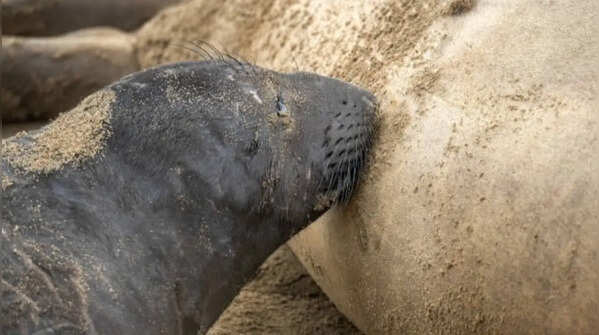
Elephant seal – Growing very quickly with elephant seal's milk
Female elephant seals are famous for producing the fattiest milk for nursing. Their milk has about 50 percent fat. After several weeks, pups manage to grow and accumulate considerable fat deposits that serve as an energy resource until the period of weaning comes. Scientists explain the unusually fat-rich milk by the fact that mothers are fasting throughout this period and, thus, use energy stored in bodies for milk production.
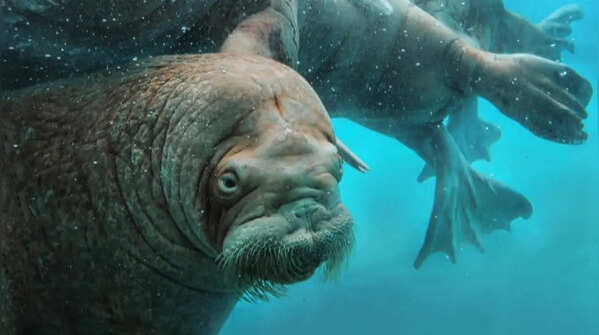
Walrus – Surviving in icy waters due to rich milk
Walruses live in cold water regions, and their calves receive very nutritious milk during the nursing period. The high fat and nutrient content make it possible for calves to build the insulation needed for life in icy waters. Scientists believe that it is thanks to such milk content that calves are able to gain enough body mass and develop insulation in their bodies.
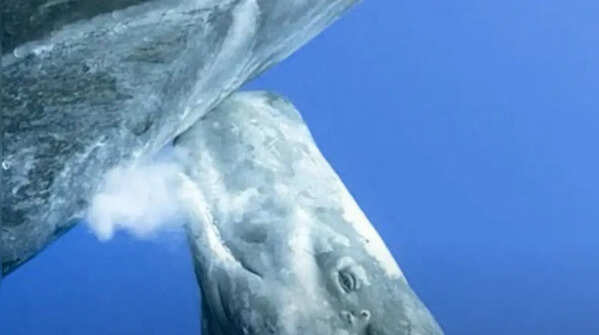
Sperm whale – Surviving in a deep ocean
The sperm whale is the biggest predator in the deep ocean, and the high fat-richness of its milk is associated with the need for calves to have enough energy for quick development and acquiring life-saving skills. As sperm whales spend most of their lives diving down to incredible depths in search for food, they have no choice but to produce milk with a huge number of calories.
Featured In etimes

