
- News
- etimes
- animals-pets
- Not just fish and honey: 7 Weird things bears actually eat in the wild
Not just fish and honey: 7 Weird things bears actually eat in the wild
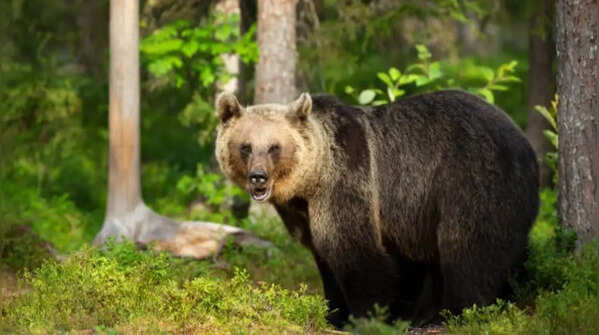
Not just fish and honey: 7 Weird things bears actually eat in the wild
Most people envision bears as huge creatures that catch fish in the river and steal honey from beehives. The reality is different because, according to wildlife specialists, bears are omnivores who feast on all kinds of food that appears in their environment. Insects, flower buds, tree barks, roadkill, bird eggs, grass, and berries are among the many options that bear species have learned to exploit to sustain themselves. Seven odd things that bears eat will be discussed below.
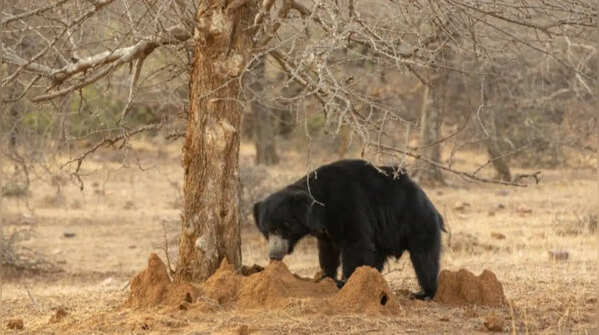
Ants and termites
The majority of bear species spend a considerable amount of time searching for insects, which are then eaten with the help of a long tongue. With the assistance of sharp claws, bears can easily tear logs, stumps, or termite mounds. According to experts, the consumption of ants and termites provides bears with necessary proteins and nutrients. Even though they are very large animals, bears are capable of spending hours looking for food because of their nutritional value.
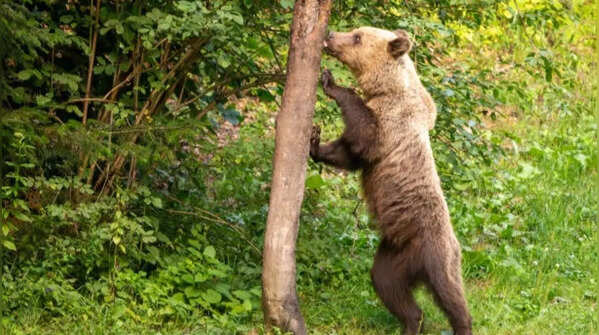
Tree bark and cambium layers
There is a particular period during which bears are known to peel off tree barks and feast on the cambium layer that lies beneath them. Cambium has moisture, sugars, and nutrients. Research shows that bears are likely to focus on the trees that contain high-quality nutrients in their barks. Eating wood seems strange for big animals, but this activity turns out to be quite popular among some species in times of scarcity.
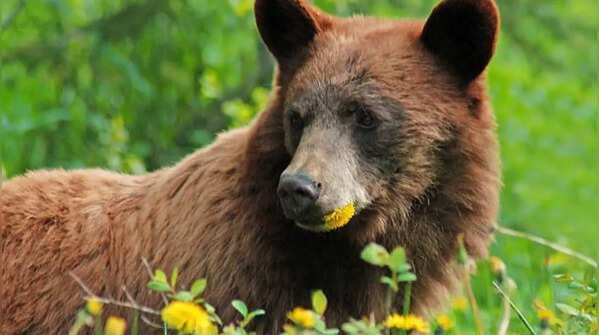
Flowers and blossoms
Prior to the ripening of fruits, bears start consuming flowers and blossoms because they provide vital elements like water, vitamins, and carbohydrates. It is possible for bears to eat wildflowers, flowers from shrubs, or even alpine blossoms in some cases. Although flowers cannot be associated with the diet of such fierce carnivores, they actually constitute an integral part of the diet during spring.
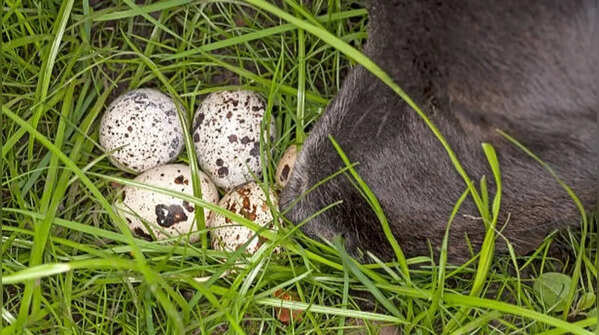
Bird eggs
It is safe to say that bears eat everything that is easy to get. Thus, they do not pass up an opportunity to eat birds' eggs when stumbling upon nests in accessible places. Eggs provide bears with protein and fats that can be utilized by the organism. The presence of nests can serve as an indication that another animal lives nearby because bears usually find eggs by accident while searching for other prey.
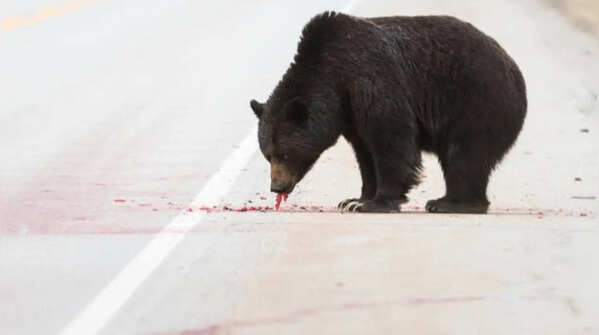
Roadkill and animal carcasses
Although people usually think that bears hunt or catch fish, this assumption is not entirely correct. They are actually able to eat almost any kind of roadkill and animal carcasses because this activity allows them to get lots of protein without putting in any effort. Bears are known to consume various types of carcasses, ranging from large deer carcasses to smaller ones.
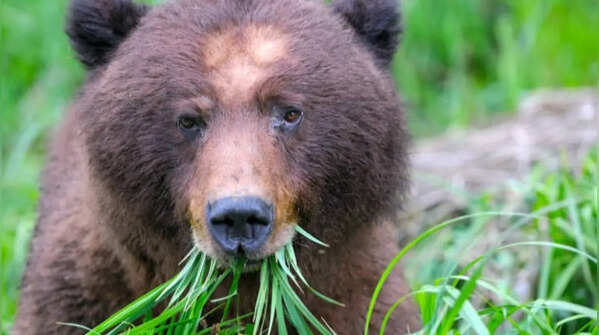
Grass and plant roots
Even though bears are considered predators, they still tend to eat plenty of vegetation. Thus, it happens that bears spend hours feeding on grass, roots, sedges, and shoots. Young plants that are easier to digest can provide them with vital nutrients after long winter months. In springtime, it can be said that bears are mostly herbivores.
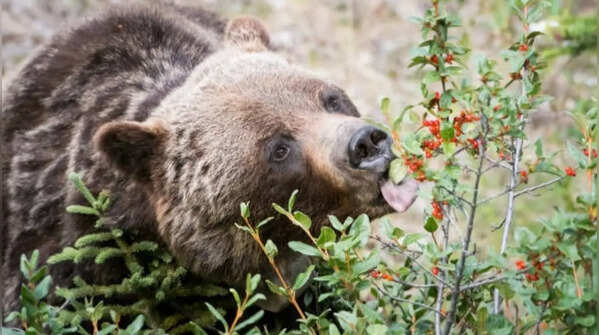
Berries in enormous quantities
It may surprise people to learn that bears eat berries in incredible quantities. They can devour tens of thousands of berries within one day in order to prepare for winter. Huckleberries, blueberries, and raspberries are used as important sources of energy. Experts note that bears rely heavily on berries for storing necessary fat resources. Sometimes, the amount of energy acquired from fruit exceeds the caloric value of fish and meat.
Featured In etimes

