
- News
- etimes
- animals-pets
- Where snakes hide around your home: 7 surprising spots in your house and garden you should never ignore
Where snakes hide around your home: 7 surprising spots in your house and garden you should never ignore
Where snakes hide around your home: 7 surprising spots in your house and garden you should never ignore
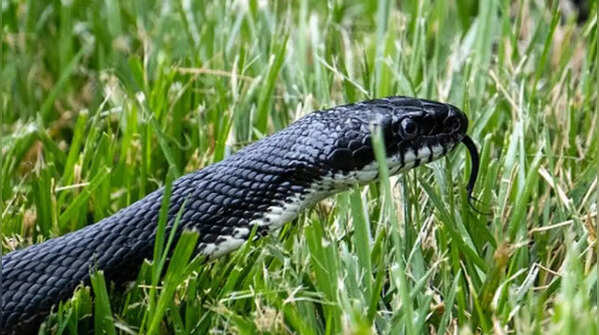
Snakes don’t randomly enter homes, they’re usually drawn by three things: food, shelter, and water. Gardens and houses unintentionally provide all three, from insects and rodents to secluded areas away from the rest of the activity. The problem here is that snakes are pros at keeping themselves out of sight. They like shady areas that are not frequently visited by people. So, while you might not know about it, there are places where snakes like to hide close to you.
Here are some unexpected spots in and outside your house. Nevertheless, they do not just come into your house; there are three reasons why they will look for places to live in, which include food, shelter, and water. Gardens and houses unknowingly provide all these to them in the form of insects and rodents as well as hiding places far away from other activities.
Snakes are masters when it comes to keeping themselves away from you and everyone else. What they require are areas that are not often disturbed by humans. In other words, there are hidden spots where they like to live near you, and we are listing down 7 of those here.
(Photos from: Shutterstock)
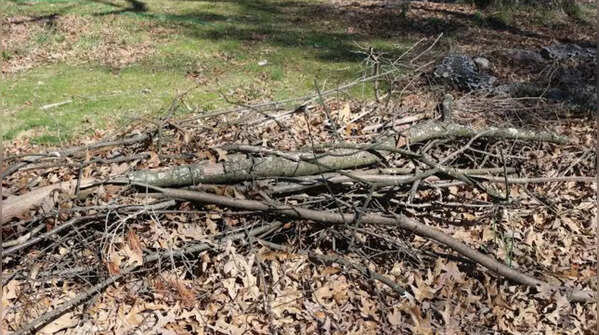
Woodpile, litter and overcrowded gardens
Piles of wood, bricks, dried leaves or unused construction materials provide ideal hideout places for snakes. Not only do they offer protection, but they attract rodents and insects that form the main diet of most snake species. Unchecked woodpile and litter soon become a safe haven for snakes. Since people don’t often check these spots, a snake can remain hidden there for quite some time without being noticed.
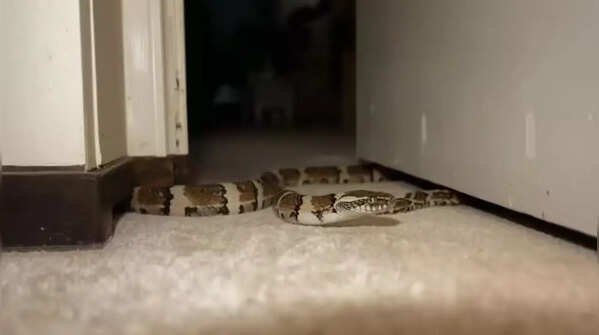
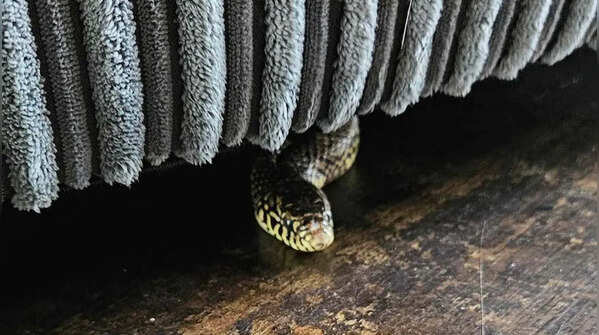
Underneath furniture and appliance items
Areas underneath sofas, beds, refrigerators, and washing machines are typically dark, cool, and seldom cleaned, perfect conditions for snakes. Moreover, such places usually accumulate dust and even tiny bugs that might attract a snake. Humans don’t usually inspect these locations; hence, a snake can be living under them for long without detection.
Shoes, bags, and storage Boxes
This may seem a bit frightening, but snakes will slither into shoes, bags, and storage boxes that are left untouched in places like garages or entrance areas. Such locations are warm in cold weather and provide shade on sunny days. It's essential to examine them carefully because most snakebites occur when a person accidentally touches such objects without realizing the presence of a snake inside.
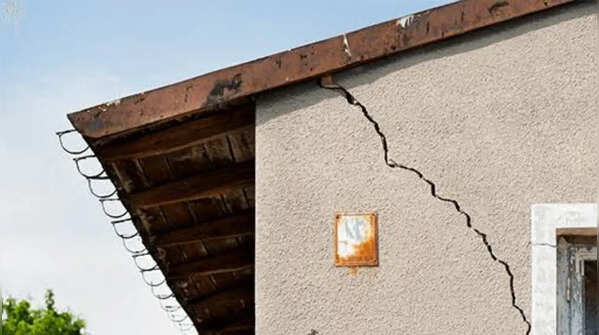
Wall cracks, pipes and concealed passages in the house
Intrusive creatures like snakes can penetrate houses through small spaces such as cracks in walls, loose vents, or piping connections. Once in the house, snakes tend to hide in wall spaces, under cabinets, or places close to water sources such as bathrooms and kitchens. Regular trimming and maintenance of your garden can significantly reduce the chances of snakes hiding there.
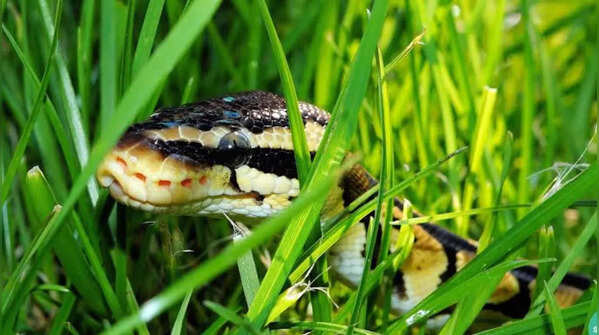
Dense vegetation, bushes and tall Grass
Overgrown plants and shrubs provide great camouflage cover for snakes. Dense bushes, hedges, and tall grass ensure a wet and shaded atmosphere for snakes where they are away from threats posed by both natural enemies and people. Many snakebite incidents happen when someone unknowingly reaches into such places, making it important to always check before use.
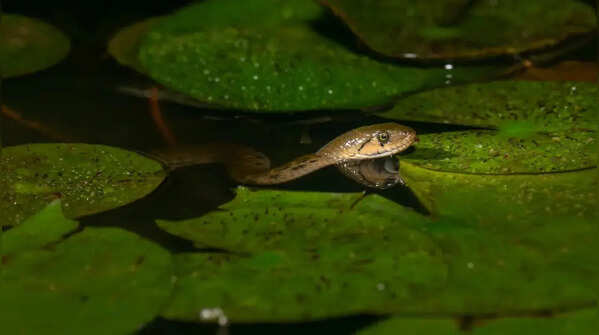
In proximity to water sources and drainage
Snakes tend to gravitate towards places where water is present, such as leaking plumbing, drainage systems, garden ponds, or even bird baths. Not only does water keep snakes hydrated, but it also attracts their potential prey like frogs and insects.
Disclaimer: This article is for general awareness and informational purposes only. Snakes typically avoid human contact and do not enter homes without reason. If you suspect the presence of a snake, do not attempt to handle it yourself and contact local wildlife or pest control professionals for safe removal.
Featured In etimes

