
Lunar eclipse 2026: See stunning 'Blood Moon' photos from across the world
What are the next lunar eclipses ahead
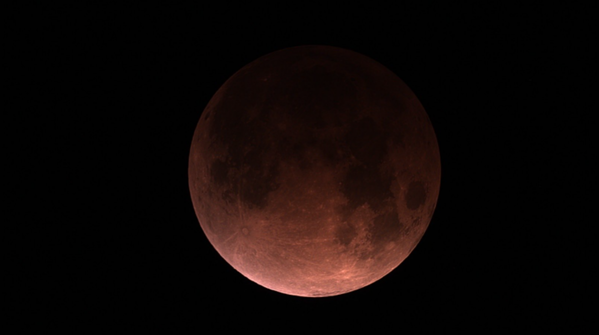
2026 has 13 full Moons, including two supermoons on November 24 and December 24. The next partial eclipse will occur on August 27-28, covering 96% of the Moon. After that, enthusiasts will have to wait till New Year's Eve 2028 for another total eclipse.Photo: @Eric_L_Roe/ X
Lunar eclipse 2026: See stunning 'Blood Moon' photos from across the world
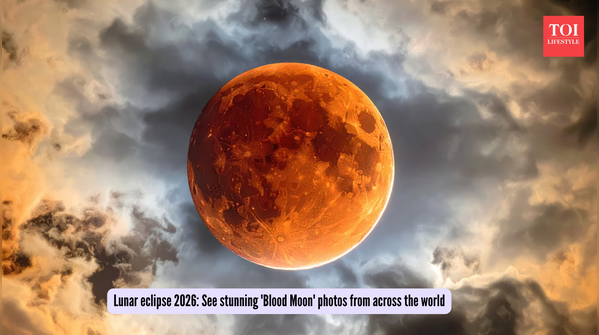
The night sky often treats us to cosmic wonders, and one such wonder happened today, when the Sun, Moon and the Earth came in such an alignment, where the Earth casted a shadow on the Moon, and the graceful celestial natural satellite appeared as a glowing red orb.
But this year the Annual Lunar eclipse collided with Holi creating a lot of confusion about the exact dates of Holika Dahan.Here are some mesmerising photos from the annular lunar eclipse today
Lunar eclipse 2026 date and timings
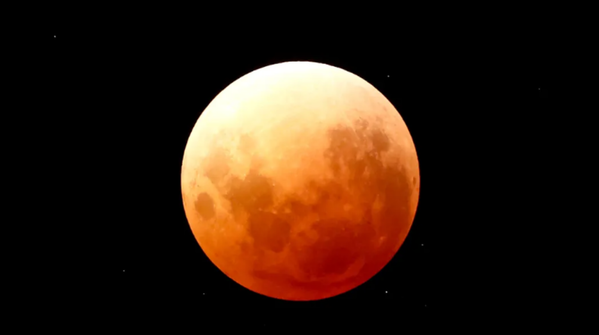
This year the annual Lunar Eclipse fell on March 3, 2026. According to Drikpanchang, it began around 3pm in the afternoon, peaked between 6:33 PM and 6:40 PM IST, and wrapped up by 6:47 PM. It lasted about 58 minutes in total. It was visible across India, North America, Pacific regions, Australia, New Zealand, and East Asia.Photo credits: Phil Walter/Getty Images)
Why does the Moon appear to be ‘Blood red’
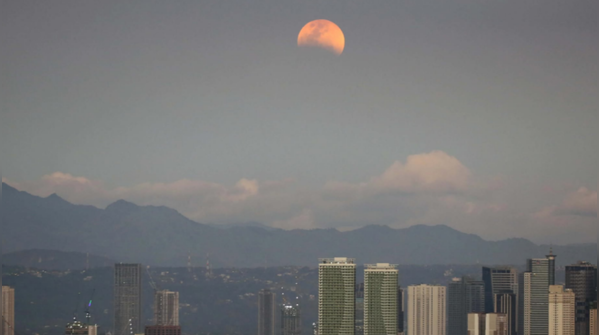
During totality, Earth fully blocks sunlight, casting its shadow. Sunrises and sunsets around our planet's edge filter red hues through the atmosphere into the umbra. The Moon glows coppery-orange in five phases, including penumbral, partial, total, then reverse. Unlike the Solar eclipse, it is safe and mesmerising to watch the spectacle, happening in the solar system's mechanics, and it can be viewed with the naked eye, however telescopes can be used for a better view of the magic.Photo: @PhilippineStar/X
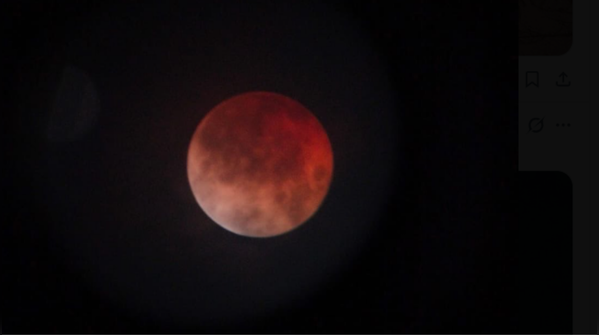
Eclipse coincidences with Holi festival
This eclipse shared the week with Holi, a rare synchronisation happening once every 100 years. It was just like witnessing the blood Moon by night, which is a symbolism of renewal and playing with colours the next day. Hindu traditions view eclipses as an important event; many fast or pray.
Photo:@xr8dv8/X
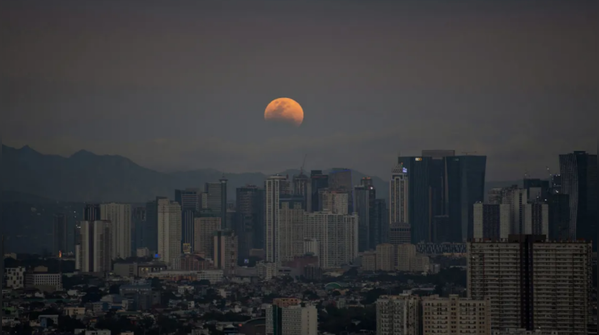
The eclipse was visible in India too
The total lunar eclipse on March 3, 2026, was visible across most parts of India. It began in the afternoon, with the best viewing window remained between 6:33 PM and 6:40 PM IST during peak totality, when the Moon turned a striking blood-red hue. Most regions got a clear view. It was best viewed near sunset at moonrise; binoculars were advised for sharper details. People could also watch livestreams on NASA or Indian astronomy apps.Photo: Ted ALJIBE / AFP via Getty Images
Featured In etimes

