
5 morning habits to naturally detoxify your body
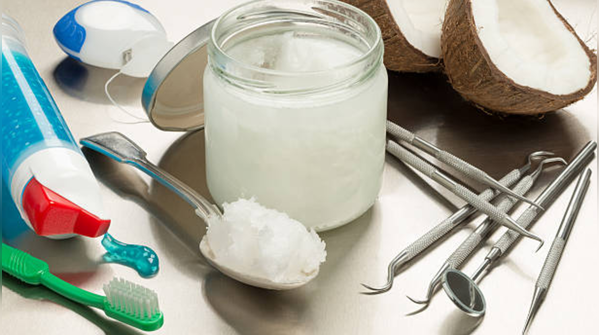
Oil pulling (Gandusha)
Procedure: Swish 1 tablespoon of cold-pressed Coconut Or Sesame oil through Your Mouth (between your teeth and on your gums) for 10 to 12 minutes before you consume water or food. The oil will turn white/milky in color during this time which is an indication that the oil has started emulsifying.
Why it works: Your mouth contains over 700 different types of bacteria. When we sleep, our salivary gland production decreases, allowing the bacteria in our mouths to multiply on the biofilms (plaque) that form around the gum lines. When we swallow these endotoxins, they cause low-grade, chronic inflammation in the body, which are associated with insulin resistance and cardiovascular disease. oil acts like a lipid magnet. It attracts all the bacteria from your mouth (and their byproducts) to itself before those bacteria get into your system.
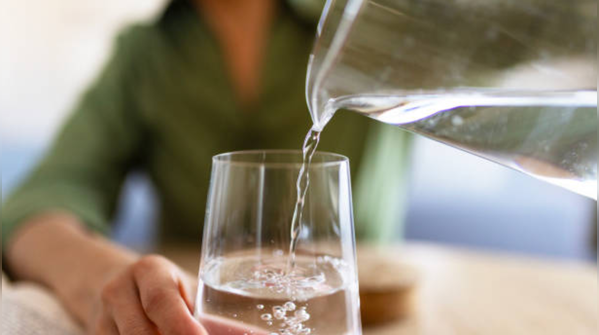
Dawn water in Malasana (Ushapanam)
Procedure: Following oil pulling, while sitting in Malasana, drink 600ml of warm, to your preference, 37- 40 degrees Celsius, water. It is best to take smaller sips versus gulping it down quickly.
Why it works: The large amount of water ingested stimulates the gastrocolic reflex resulting in a bowel movement by evacuating waste products from the body that were accumulated during the night, so they can be eliminated rather than reabsorbed. Sitting in Malasana during this procedure will permit for an open anorectal angle and ensure that waste can be eliminated as best as possible. Furthermore, the ingestion of such a large volume of liquid will dilute the waste products (cellular waste products) that were produced during the night, including urea, uric acid, and creatinine, thus increasing the filtration rate of the kidneys, speeding up the body's natural detoxification process in the morning.

Cold abdominal pack
Procedure: Ever so gently apply a cold gel pack (4-10 degrees Celsius) over your navel area with a thin piece of cloth separating it from your skin. Remain in this position for approximately 15 minutes (stay still!).
Why it works: Cold will cause surface blood vessels to constrict and cause blood to move inward toward the liver, gallbladder, and intestinal area. After removing the cold pack from the abdomen, the blood vessels will quickly dilate and send a profusion of oxygenated (fresh) blood to the liver. The influx of oxygenated (fresh) blood provides alternative sources of raw materials directly to the liver cells involved in the Phase I and II detoxification processes. Therefore, this method will provide a targeted enhancement of the body's primary detoxification organ.
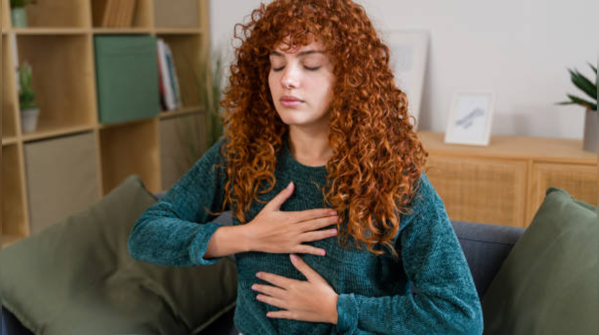
Diaphragmatic breathing
Procedure: The process of diaphragmatic breathing involves placing your left hand on your chest, and your right hand on your stomach, then inhaling so that your belly expands while your left hand remains still. You will want to take long deep inhales, as if using up your lungs' contents, followed by long slow exhales at twice the rate of your inhale. Continue for 10 minutes.
Why it works: Each time you take a deep diaphragmatic breath, it mechanically pumps through the lymphatic system; which is your body's waste disposal mechanism, but does not have a pump of its own. When you breathe in deeply, it compresses the vessels of the lymphatic system and moves the waste toward your blood supply. The extended exhale will stimulate the Vagus Nerve, which initiates the body's ability to relax by moving it into a parasympathetic state. Autophagy, the body's ability to recycle damaged cell pieces, becomes stimulated, as does a decrease in cortisol, facilitating deep cellular repair.
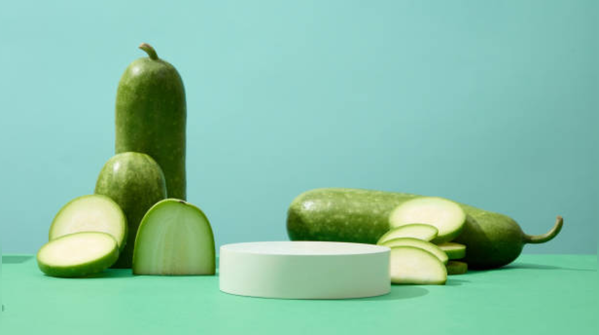
Ash gourd juice
Procedure: Start by peeling and deseeding 200-300 grams of fresh ash gourd. Blend with 50ml of water, and then strain through a muslin cloth, and finish with another 200ml of water. You want this to be freshly prepared juice.
Why it works: Fresh ash gourd is an extremely alkaline food that helps to buffer dietary acid and optimise the function of cells. In particular, ash gourds are extremely high in bioavailable potassium, which will restore the sodium potassium pump of each of your cells. This is the pump that takes out waste from your body, and brings nutrients into your body. In addition to bioavailable potassium, ash gourd also contains cucurbitacin; which increases intestinal permeability and helps to prevent the re-absorption of toxins once mobilised.
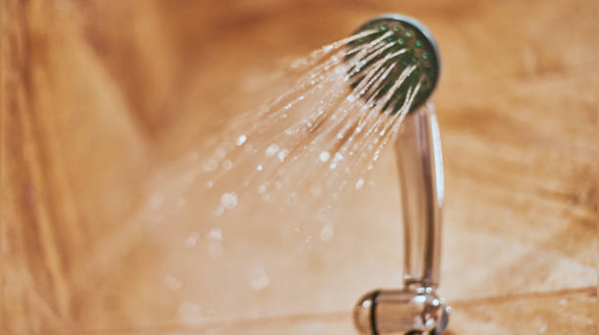
Bonus: Contrast shower
Procedure: Shower with hot water for three minutes and then change to cold water for 60-90 seconds, focusing the stream of water on the lower back and abdomen. Repeat this pattern 3 times and always end with the cold water.
Why it works: Hot water relaxes and dilates blood vessels, whereas cold water constricts and tightens them. Alternating between hot and cold rapidly will provide a cardiovascular workout for your vascular system without any physical exertion. Applying cold water to the lower back increases activation of the sympathetic nervous system, resulting in increased alertness without the uncomfortable experience of cortisol-related stress. Alternating hot and cold in this manner creates a rush of dopamine and noradrenaline, which is one reason for the highly rewarding sensation of cold exposure and why it continues to energise you for several hours after.
These five practices are based upon principles of naturopathy and yoga, but have been validated by scientific evidence of their physiology. They take less than 1 hour each to perform, cost nothing, and if performed regularly will significantly decrease the amount of toxins accumulated in the body for well over a day.
Dr. Sarath Kumar Damuluri, Chief Medical Officer, Pema Wellness Retreat
Featured In etimes

