
Best exercises for liver health, according to expert: How walking, strength training, and HIIT can reduce fatty liver
Fatty liver? Which exercises can help?
The liver does far more than process food and filter blood; it constantly adjusts to signals coming from the rest of the body. One of its closest partners is muscle. When muscles contract regularly, they release compounds that help the liver manage fat and control inflammation. When activity drops, that support fades, and the liver’s workload quietly becomes harder to manage.
This connection was recently explained in a detailed post on X by hepatologist Cyriac Abby Philips, widely known as “TheLiverDoc.” He highlighted how different types of exercise send specific signals to the liver, each with measurable benefits backed by clinical trials. His core message was simple: the way muscles are used every day can shape how well the liver performs over time.
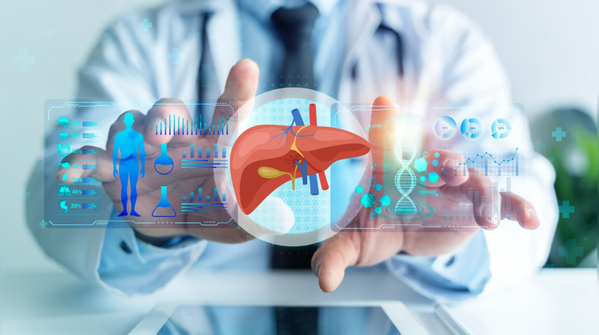
Why muscles matter to your liver
Muscles are not just for strength or appearance. They act like a metabolic engine. When they contract, they release molecules that improve insulin sensitivity and reduce fat storage in the liver.
This explains why two people with the same weight can have very different liver health. The one with stronger, active muscles often has a healthier liver profile.
A large-scale UK study confirms this connection. More daily movement directly lowers fatty liver risk.
Why fatty liver is becoming India's most common liver condition
Walking: the simplest medicine
Brisk walking remains the most underrated habit. Around 150 minutes a week can cut liver fat by nearly one-third on MRI scans.
Even small changes matter. Adding 1,000 extra steps a day lowers fatty liver risk by about 12 percent. No gym, no equipment. Just consistency.
Cardio that lets you talk, not sing
Moderate-intensity cardio includes jogging, cycling, or swimming at a steady pace. The simple test is this: talking should feel easy, singing should not.
Doing this for 30-45 minutes, a few days a week, can reduce liver fat and improve liver enzyme levels. What stands out is that these benefits appear even without weight loss. That shifts the focus from the weighing scale to metabolic health.

Short bursts, big impact: HIIT
High-intensity interval training, or HIIT, uses short bursts of hard effort followed by recovery.
In about 12 weeks, this approach can reduce liver fat by up to 37 percent. It also strengthens the heart and improves endurance. The key appeal is efficiency. Similar benefits to steady cardio, but in nearly half the time.

Even shorter workouts: sprint intervals
Sprint interval training takes intensity a step further. Sessions can last under 15 minutes.
Studies show that just six weeks of this can reduce liver fat and visceral fat significantly, especially in people with fatty liver disease. It suits those who struggle to find time but can tolerate intense effort.
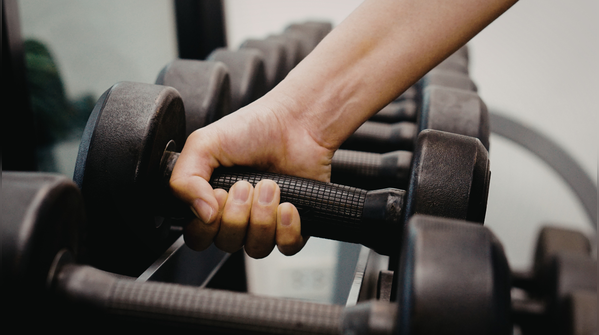
Strength training: the real game changer
Lifting weights or doing bodyweight exercises builds muscle, and that directly supports liver health.
Strength training reduces liver fat even if body weight does not change. It also lowers liver enzyme levels. For people with serious liver conditions like cirrhosis, it becomes even more important. It helps prevent muscle loss, which is a major risk factor for complications.
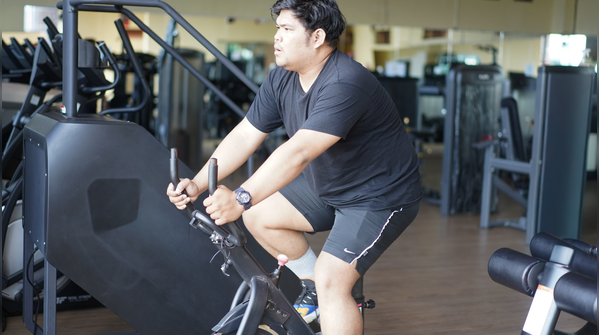
The winning formula: mix it up
If one approach had to be chosen, combining cardio and strength training would be the best bet.
This combination improves cholesterol levels, reduces triglycerides, and supports liver recovery better than either method alone. It creates a full-body effect where the heart, muscles, and liver improve together.
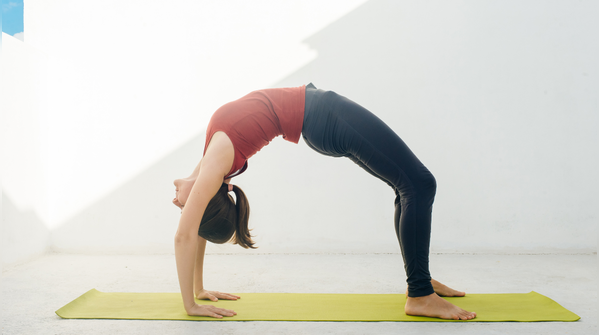
Yoga: helpful, but context matters
Modern yoga routines like Surya Namaskar or certain asanas can support liver health. Practised regularly, they improve insulin sensitivity and may reduce liver fat, especially in people with diabetes.
However, gentle stretching alone does not replace aerobic exercise. Movement that raises heart rate still plays the central role.
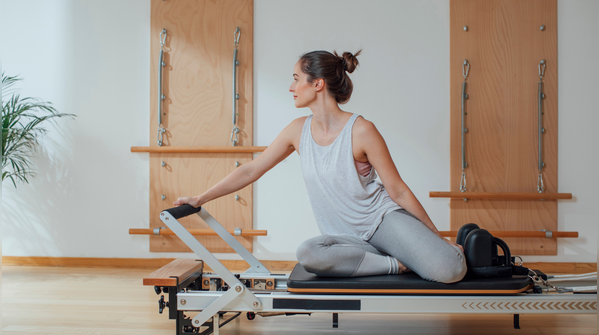
Low-impact options that still work
Not everyone can run or lift heavy weights. That does not close the door.
Pilates helps reduce body fat and improves liver markers in a joint-friendly way. Tai Chi and Qigong offer slow, controlled movement that improves balance, muscle tone, and glucose control. These are especially useful for older adults or those with limited fitness.
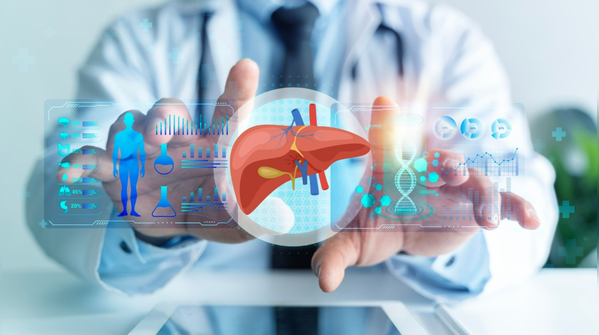
Even damaged livers respond to movement
A common myth is that advanced liver disease means rest is the only option. Evidence says otherwise.
In people with cirrhosis, combining aerobic and strength training reduces serious complications and improves survival outcomes. It also protects against muscle wasting, which is a major driver of disease progression.
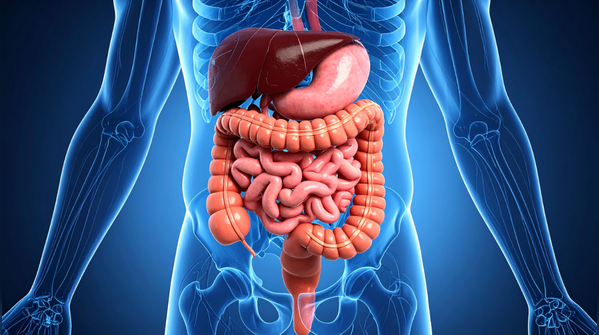
What this means for daily life
The takeaway is simple but powerful. The liver does not need extreme routines. It responds to regular movement. Walking, lifting, stretching, and short bursts of effort all send signals that help it heal.
Consistency matters more than intensity. A routine that can be followed for months will always beat a perfect plan that lasts a week.
Disclaimer
This article is for general awareness and does not replace medical advice. Exercise plans should be tailored based on individual health conditions. Consult a qualified healthcare professional before starting any new fitness routine, especially if diagnosed with liver disease or other chronic conditions.
Featured In etimes

