
Can yoga be medicinal for cancer survivors? New study shows benefits of reducing anxiety and insomnia
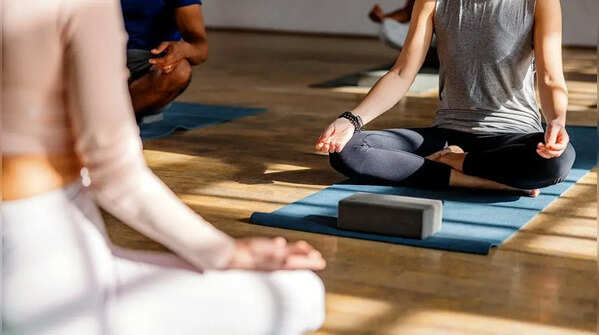
Yoga for cancer survivors? Study shows benefits of reducing anxiety and insomnia
Contrary to the common belief, cancer’s not just a fight through surgeries, chemo, radiation, or just immunotherapy; the hardest battles of this disease often begin when treatment ends. People leave the hospital and try to get back to “normal,” but anxiety, insomnia, exhaustion, and emotional turmoil stick around.
Doctors know these challenges well. Finishing cancer treatment is rarely the finish line. Sleep is elusive, anxiety lingers, moods swing, and regular life feels out of reach. Medication helps, but it isn’t perfect, and some people can’t or don’t want to take more pills, since they’re already exhausted after stuffing their body and mouth with so many of them for a substantial stretch of time.

What does the news study say?
A new study, funded by the US National Cancer Institute and presented at the 2026 ASCO (American Society of Clinical Oncology) meeting, highlights something simple but powerful: yoga. Researchers found that a structured yoga program made a real difference for cancer survivors, lowering anxiety, insomnia, fatigue, and emotional distress; no pharmacy required.
This matters because nearly everyone who survives cancer faces sleep problems — up to 95%, according to the research. More than half also struggle with anxiety, mood issues, or bone-deep exhaustion, even years after their cancer is gone. These problems sink into relationships, work life, and the chance to enjoy being alive again.
The study followed 410 US cancer survivors, where most were women with a history of breast cancer. None had practiced yoga before the study. Researchers split the group into two: one half got the usual checkups and monitoring; the other attended a special yoga program for four weeks, along with their regular care.

What do the findings look like?
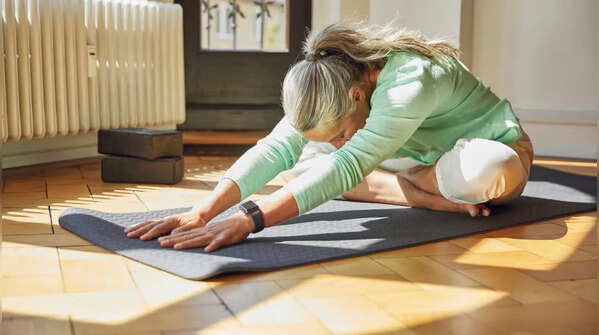
This yoga wasn’t acrobatics. It focused on easy, gentle hatha and restorative poses, mindful breathing, and deep relaxation. It’s nothing extreme, just methods to help survivors take control of their bodies and feelings again. Participants joined classes with instructors but also practiced at home.
As for the results, it was a clear improvement. People in the yoga group reported better moods, less anxiety, more restful nights, and less fatigue than those who didn’t do yoga. Mood boosts were strongest, but reductions in anxiety stood out too. Fatigue dropped off, and insomnia shrank: real changes, not just small ones.
Experts’ take
As per The Guardian, lead researcher and a research assistant professor at the University of Rochester medical centre, Yuri Choi, put it simply: for cancer survivors, there’s no “perfect” behavioral treatment for everything they face — no one solution that helps mood, nerves, tiredness, and insomnia all at once. This study hints that yoga covers all those bases.
“There is no single gold standard behavioural treatment available to survivors for treating overall mood disturbance, anxiety, fatigue, and insomnia,” said Choi, adding, “By demonstrating that YOCAS intervention improves all four of these cancer-related side effects and showing how improvements in overall mood disturbance, anxiety, and fatigue influence yoga’s effect on insomnia, this trial helps to fill that gap.”
That’s not all.
ASCO expert Dr. Fumiko Chino called the study huge for survivors, especially since it gives them options beyond another prescription, saying, “This large, randomised study shows that structured yoga may help relieve some of the most consistently reported and hard-to-treat issues in cancer survivorship, leading to decreased insomnia.
Many want ways to feel better without more medications. “It’s an important advance because it offers survivors, who are likely already managing multiple medications, a non-pharmaceutical solution for reducing four different side-effects at once,” said Chino.

Yoga, as a holistic approach
Yoga’s link to better sleep isn’t news. In fact, past studies have already shown it helps. Sleep loss after cancer makes everything else worse, dragging down mood and increasing depression, fatigue, and even risk of recurrence. Yoga can flip that script. Physically, it helps flexibility; mindful breathing brings calm, lowers stress hormones, and helps silence the noise in your brain. The focus on being present helps survivors worry less about their future or what might come next.
However, it’s important to keep in mind that yoga isn’t a cancer cure. It won’t shrink tumors or replace surgery, chemo, or radiation. Still, it can make life after cancer more livable, giving survivors back some peace and balance.
In simpler terms, yoga could help survivors do more than survive. Gentle stretches, deep breaths, and quiet moments might sound simple, but for millions struggling with insomnia and anxiety after cancer, these practices offer real hope, a little more sleep, and a chance to finally move forward.
Featured In etimes

