
Cinnamon to turmeric: How spices in your kitchen improve your gut, brain and metabolic health
Cinnamon to turmeric: how spices in your kitchen can improve your gut, brain and metabolic health
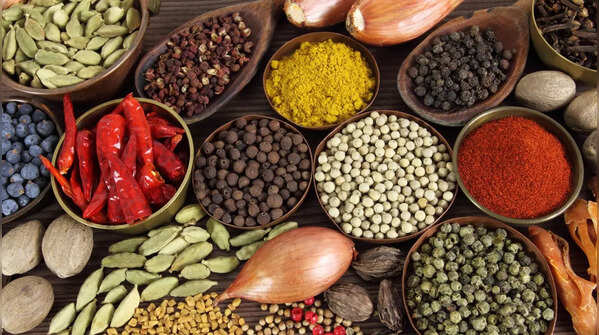
For generations, grandmothers have tucked healing wisdom into their cooking. A pinch of black pepper in masala chaas (spiced buttermilk), a dash of cinnamon in kadha (herbal tea), and some turmeric stirred into warm milk (now called a turmeric latte in the West). Modern science is slowly catching up with what traditional cuisines have long suggested: the spice rack is perhaps the most underrated tool for supporting long-term health.
Spices add more than just flavour
A recent review of scientific literature, including studies conducted at the University of California, Los Angeles (UCLA) Center for Human Nutrition, examined how herbs and spices affect human health. The analysis drew from clinical trials and laboratory studies conducted between 2010 and 2024, and the findings are now published in Nutrition Reviews.
Walk through any busy market in the Mediterranean, the Middle East, or Asia, and you will find herbs. For centuries, they were used either to enhance flavour, as preservatives, or for medicinal purposes. Modern science, however, is only beginning to understand that spices are not simply culinary decoration. Today, the National Institutes of Health’s Dietary Approaches to Stop Hypertension (DASH) diet suggests replacing salt with spices and herbs to help lower blood pressure. Previous studies have shown that polyphenolic compounds found in herbs may reduce oxidative stress. Certain antioxidants have also been shown to protect against chronic diseases.

The case of cinnamon
Two clinical trials from UCLA’s Center for Human Nutrition suggest that cinnamon supplementation reduced post-meal insulin and glucagon levels in both normal-weight and overweight/obese participants. It was also linked to lower average blood sugar levels and changes in gut bacteria compared with a placebo. However, some participants also saw short-term spikes in blood sugar, which suggests that cinnamon’s effects on metabolism can vary. This evidence adds to the view that cinnamon may help maintain blood sugar levels in both people with type 2 diabetes and healthy individuals.
In addition, cinnamon has been shown to protect against respiratory and gastrointestinal infections, thanks to the spice’s anti-inflammatory, antioxidant, liver-protective, and neuroprotective properties.
Chilli pepper
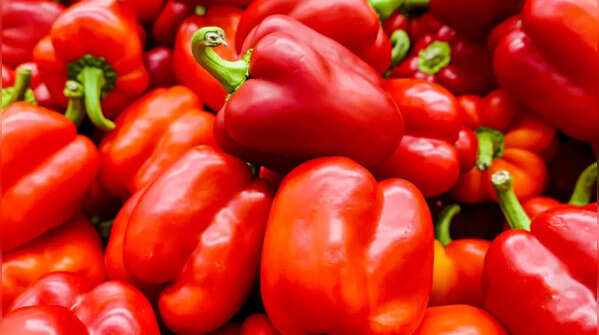
Chilli peppers contain capsaicin, a compound that can increase thermogenesis, or heat production, in the body. Consuming these chilli peppers may improve fat metabolism and calorie burning. However, in high doses, chilli peppers may cause digestive discomfort. Researchers have also studied non-spicy alternatives such as capsinoids found in certain sweet red peppers, which may offer similar benefits without the side effects. While some studies show they may increase thermogenesis, oxygen consumption, and sympathetic nervous system activity, and support weight loss, more recent studies suggest otherwise.
Turmeric
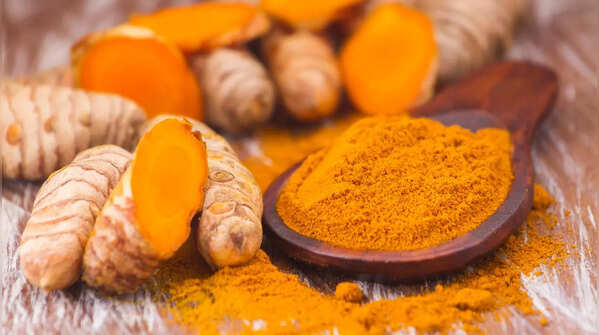
A 2014 UCLA study found that combining curcumin (the active compound in turmeric) with other plant compounds, including EGCG and arctigenin, showed enhanced anti-cancer effects in prostate and breast cancer cells compared with any single compound. This combination was linked to increased cancer cell death and greater suppression of cancer-promoting pathways. Another 2018 UCLA study found that daily curcumin supplementation for over 18 months was linked to improved memory, attention, and mood in older adults. Some research suggests that curcumin may help reduce knee pain in people with osteoarthritis. This compound has also shown improvements in cholesterol levels in those with metabolic syndrome, raising ‘good’ HDL cholesterol and lowering ‘bad’ LDL cholesterol.
Spice mixes
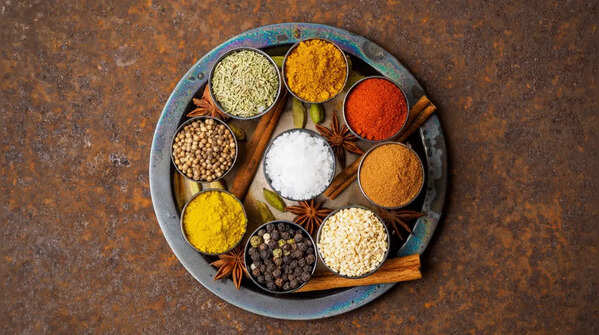
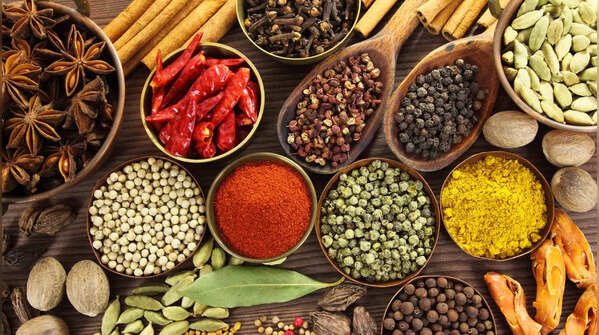
We use a variety of spice mixes for everyday cooking – from Italian seasoning for pizzas and pasta to herb blends sprinkled over salads. In vitro and clinical studies show that spice mixes – including black pepper, cayenne, cinnamon, ginger, oregano, rosemary, and turmeric – are rich in polyphenols. These polyphenols promote the growth of beneficial bacteria in the gut, such as lactobacilli and bifidobacteria. They also help reduce harmful bacteria and support overall gut health. Research from UCLA has also found that adding these spices to meat before cooking can reduce the formation of harmful compounds during cooking. They may also benefit heart health.
Not all spices are created equal, though. For example, oregano is rich in antioxidants, and turmeric remains effective even after cooking. When turmeric is combined with black pepper, its benefits are enhanced because black pepper increases the body’s ability to absorb curcumin.
Featured In etimes

