
How fasting for seven days affects your organs

What happens to your body when you fast for seven days?
What happens if you fast for seven weeks straight? You may lose some weight. Your body might perhaps reset. However, much more happens to your body, beyond weight loss, when you fast for a week.
A groundbreaking study published in Nature Metabolism has revealed how our bodies undergo dramatic molecular changes during extended periods without food. The study found that the body undergoes significant, systematic changes across multiple organs during prolonged fasting. The findings also suggest that any potentially health-altering changes appear to occur only after three days without food.

The history of fasting
Over thousands of years, humans have developed the ability to survive without food for long periods. Even today, fasting is practised by millions of people across the world, either for medical or cultural purposes. The health benefits and weight loss often attract people to practise it. It has also been used as a strategy to treat diseases such as epilepsy and rheumatoid arthritis since ancient times.

The study
Researchers from Queen Mary University of London’s Precision Healthcare University Research Institute (PHURI) and the Norwegian School of Sports Sciences tracked 12 healthy volunteers through a seven-day water-only fast to understand the impacts of fasting. The findings could lead to therapeutic interventions, including for people who may benefit from fasting but cannot undergo prolonged fasting or fasting-mimicking diets, such as ketogenic diets.
When you fast, your body changes its source and type of energy. This means your body switches its energy source from consumed calories to using its own fat stores. However, little was known about how the body responds to prolonged periods beyond this fuel change. The researchers wanted to understand how prolonged fasting without food impacts health — whether it is beneficial or has adverse effects. Using new techniques, the researchers measured thousands of blood proteins, helping them to understand clearly how the body changes during fasting.
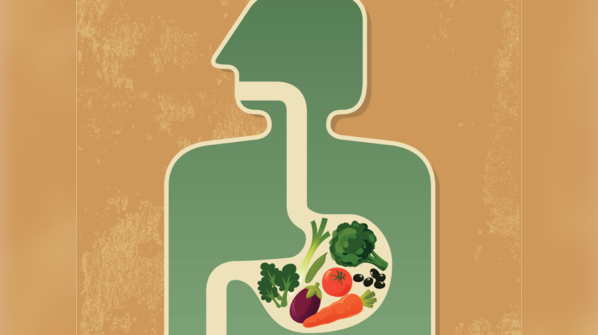
What happens when you fast
By identifying the proteins, the researchers were able to predict potential health outcomes. They found that the body switches energy sources, from glucose to stored fat, within the first two or three days of fasting. They noticed that the participants lost an average of 5.7 kg of both fat mass and lean mass. After three days of eating again, the weight loss remained; the muscle was mostly regained, but the fat loss stayed.

The three-day threshold
One of the most significant findings was that the body underwent distinct changes in protein levels after about three days of fasting. This represents an induction of a whole-body response to complete calorie restriction. Overall, one in three of the proteins measured changed significantly during fasting across all major organs. The researchers also noticed that these changes were consistent across the volunteers. However, there were changes beyond weight loss, such as alterations in proteins that make up the supportive structure for neurons in the brain.

What the researchers think
Claudia Langenberg, Director of Queen Mary’s Precision Health University Research Institute (PHURI), spoke about the molecular changes in the body during fasting. “For the first time, we’re able to see what’s happening on a molecular level across the body when we fast. Fasting, when done safely, is an effective weight-loss intervention. Popular diets that incorporate fasting — such as intermittent fasting — claim to have health benefits beyond weight loss. Our results provide evidence for the health benefits of fasting beyond weight loss, but these were only visible after three days of total caloric restriction — later than we previously thought,” Langenberg said.

Fasting is not for everyone
While fasting may have many health benefits, the researchers emphasised that it is not for everyone. “Our findings have provided a basis for some age-old knowledge as to why fasting is used for certain conditions. While fasting may be beneficial for treating some conditions, oftentimes it won’t be an option for patients suffering from ill health. We hope that these findings can provide information about why fasting is beneficial in certain cases, which can then be used to develop treatments that patients are able to follow,” Maik Pietzner, Health Data Chair of PHURI and co-lead of the Computational Medicine Group at the Berlin Institute of Health at Charité, said.
Featured In etimes

