
Kidney damage can reach 95% before symptoms appear: Doctor recommended 8 golden rules that may help you stay safe

8 golden rules for kidneys
The kidneys rarely ask for attention. They work quietly, day and night, filtering blood, balancing minerals, supporting bones, and helping the body stay alive in ways most people never stop to think about. And perhaps that is why kidney disease often arrives silently too.
Many people only begin to understand the importance of their kidneys after serious damage has already happened. By then, the body may already be struggling with fatigue, swelling, breathlessness, or dangerous changes in blood chemistry. What makes kidney disease especially worrying is that the early warning signs are often missing.
According to Dr Prashant C Dheerendra, Senior Consultant Kidney Specialist, Apollo hospitals, Bannerghatta Road, Bangalore, “Kidneys are the unsung heroes of human health. They are generally neglected and their importance is only realised once they fail. This is not a good attitude towards these important organs by the society at large.”
Here are eight golden rules that can genuinely help protect kidney health for years to come.

Stop thinking of kidneys as just “urine-making” organs
Most people believe kidneys exist only to produce urine. That is only a small part of the story. Your Thyroid may be reacting to what’s on your plate: Doctor warns about the foods that help, harm, and confuse most people
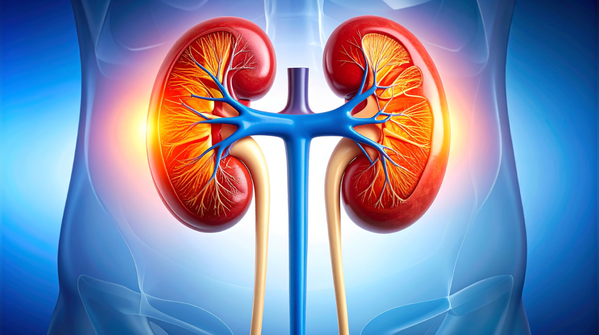
The kidneys constantly maintain the body’s internal balance. They regulate water levels, sodium, potassium, and acid balance in the blood. They also produce important hormones that help maintain healthy bones and proper blood levels.
Dr Dheerendra explains, “The urine is only a byproduct of kidney function. The main function actually is to maintain internal chemical balance throughout the body and blood by altering the composition of the urine.”
This changes the way kidney health should be viewed. A damaged kidney does not just affect urination. It can affect energy levels, bone strength, blood pressure, heart function, and even breathing.

Know if you belong to a high-risk group
Kidney disease rarely appears without reason. Certain conditions slowly increase pressure on the kidneys over many years.
The biggest risk factors include diabetes, high blood pressure, obesity, smoking, older age, autoimmune disorders, and a family history of kidney disease. Women who experienced high blood pressure during pregnancy may also carry higher long-term risk.
One overlooked danger is self-medication. Many people frequently take painkillers without medical supervision, assuming they are harmless. Over time, some medicines can quietly damage kidney tissue.
Another growing concern is the rise of unscientific treatments promoted online. “Mixing” random remedies, herbal products, supplements, and internet advice may do more harm than good.
The kidneys usually tolerate abuse for years before showing signs of stress. That silent endurance often gives people a false sense of safety.
Get tested before symptoms begin
One of the biggest mistakes people make is waiting for symptoms before checking kidney health.
In reality, early kidney disease is often detected through two simple tests:
Urine protein test
Blood creatinine test
Healthy kidneys keep protein inside the body and remove creatinine through urine. When protein starts leaking into urine and creatinine rises in the blood, kidney damage may already be starting.
Dr Dheerendra notes, “Protein leakage is generally the earliest sign.”
People with diabetes or high blood pressure should not wait for weakness or swelling to appear. Annual kidney screening can help catch problems years before complications begin.
Early detection often means simpler treatment and better outcomes.

Avoid the two dangerous extremes
Chronic kidney disease is usually a long journey, not a sudden crisis. And this is where many patients unknowingly make things worse.
Some completely ignore the condition. Others become trapped in endless fear, running from one opinion to another, trying every unverified remedy suggested by friends, relatives, or social media channels.
Dr Dheerendra warns against both extremes. “Most patients go overboard with either under treatment or over treatment.”
Kidney care often works best through consistency, not panic.
For many patients in earlier stages, proper blood sugar control, blood pressure management, regular follow-ups, reduced salt intake, and trust in evidence-based treatment can help slow disease progression significantly.
The body responds better to calm discipline than desperate experimentation.
Understand that kidney disease can stay silent for years
Perhaps the most frightening part of chronic kidney disease is how quietly it progresses.
According to Dr Dheerendra, some patients arrive with 95 to 99 percent kidney damage and still report very few symptoms.
This happens because the kidneys are remarkably adaptable organs. Healthy parts continue compensating for damaged sections for a very long time.
Symptoms often appear only after major damage has already occurred. By then, weakness, swelling, nausea, or appetite loss may start interfering with daily life.
This is why regular screening matters far more than waiting for discomfort.
The absence of pain does not always mean the absence of disease.
Don’t ignore symptoms that seem “unrelated”
People often expect kidney disease to cause obvious urinary problems. Surprisingly, many symptoms have nothing directly to do with urination.
When kidneys fail to clear waste properly, toxins begin building up in the body. This can lead to:
Constant tiredness
Nausea or vomiting
Swelling in feet or face
Breathlessness
Itching
Weight loss
Loss of appetite
In severe cases, untreated kidney failure may lead to seizures, muscle paralysis, chest pain, coma, or severe breathing difficulty.
These symptoms are easy to dismiss individually. Together, they may signal something serious.
The body whispers before it screams.
Kidney failure is not the end of life
The words “kidney failure” often create immediate fear inside families. Many people assume life becomes hopeless afterward. That is no longer true.
Modern medicine has dramatically changed survival and quality of life for kidney patients. Treatments like dialysis and kidney transplantation now allow many people to live meaningful lives for years and even decades.
Dr Dheerendra says, “There is an irrational fear about these treatments which one needs to overcome.”
Across the world, people with kidney disease continue working, travelling, exercising, raising families, and pursuing careers after treatment.
Fear often comes from lack of understanding. Knowledge replaces panic with preparedness.
Be careful about what you add to your routine
Sometimes protecting the kidneys is less about adding more things and more about avoiding unnecessary harm.
The internet is full of miracle cures, detox powders, herbal cleanses, and aggressive supplement trends promising to “repair” kidneys naturally. Many are not backed by science.
Dr Dheerendra calls this dangerous cycle “mixopathy” constantly changing treatments based on advice from unqualified sources.
“What you do is as important as what you don't do,” he says.
The kidneys prefer stability. Random experimentation may overload them further.
A balanced lifestyle still matters deeply:
Drink adequate water
Control diabetes and blood pressure
Sleep properly
Avoid smoking
Exercise regularly
Limit excessive salt intake
Take medicines only under medical guidance
Simple habits done consistently often protect the kidneys more than expensive wellness trends ever can.
Disclaimer
This article is for informational purposes only and should not be considered medical advice. Anyone experiencing symptoms related to kidney health or living with conditions like diabetes or high blood pressure should consult a qualified nephrologist or healthcare professional for proper diagnosis and treatment.
Featured In etimes

