
Pancreatic cancer: New ‘breakthrough’ pill, Daraxonrasib, doubles life expectancy and survival for patients in trial

‘Breakthrough’ pancreatic cancer pill doubles life expectancy and survival for patients in trial
Pancreatic cancer has always been one of the toughest diagnoses. Even in 2026, it remains a critical global health challenge, causing an estimated over five lakh new cases and close to the same number of deaths annually. Although it is the 12th most common cancer globally, it ranks as the 6th leading cause of cancer-related death due to its aggressive nature and typically late-stage diagnosis.
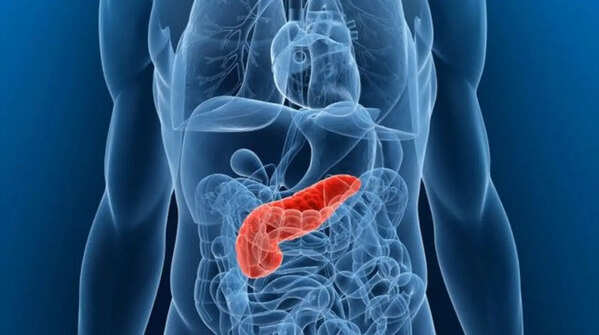
For the unversed, the pancreas is a vital organ located deep in the abdomen that produces enzymes to aid digestion and hormones (like insulin) to manage blood sugar. Cancer occurs when abnormal cells in the pancreas grow out of control and form a tumor.
While other cancers have had big breakthroughs, this one still strikes quietly, spreads fast, and leaves people with shockingly few options. They call it the “silent killer” for a reason. Half the time, you only find out after things are already bad. Survival rates? Still stuck at the bottom.
So when oncologists got wind of new results for a pill called daraxonrasib, it was huge.
Let’s break down the latest update bit by bit.

New ‘miracle’ pill for pancreatic cancer
At the 2026 American Society of Clinical Oncology (ASCO) conference, researchers were pleasantly surprised as the study found that patients with advanced pancreatic cancer lived almost twice as long on daraxonrasib compared with standard chemotherapy. For a disease where a few extra months of survival feels like progress, these numbers are game-changers.
The study was published in the New England Journal of Medicine, and now, oncologists around the world are calling the latest clinical trial results for a new pill named daraxonrasib one of the most significant pancreatic cancer breakthroughs in decades.

The numbers that are raising hopes
In the RASolute 302 trial, about 500 patients with metastatic pancreatic ductal adenocarcinoma took daraxonrasib. Their median overall survival? 13.2 months. According to the trial findings, chemo patients got 6.7 months as the pill reduced the risk of dying by around 60%. Those months really matter when time’s short.
And why is this such a big deal? Most pancreatic tumors have the KRAS gene mutation. In fact, it’s in over 90% of cases. Scientists have tried (and failed) for decades to make a medicine that targets KRAS, always calling it “undruggable.” Daraxonrasib breaks that curse. It works as a broad RAS inhibitor, not just zeroing in on one KRAS mutation subtype, so more pancreatic cancer patients could potentially benefit.

What does the ‘breakthrough’ pill do?
The once-daily oral drug, developed by Revolution Medicines, belongs to a new generation of therapies that are designed to block abnormal RAS signaling, which is one of the key drivers behind pancreatic tumor growth. Rather than targeting only a single KRAS mutation subtype, this daily pill works as a broader RAS inhibitor, allowing it to potentially help a wider group of pancreatic cancer patients. And the pill doesn’t just buy more time — it also gives better disease control.
In trial data, tumors grew more slowly or actually shrank in far more patients on daraxonrasib compared to regular chemo. For those with RAS G12 mutations, the cancer stayed in check for about 7.3 months (chemo got 3.5). So in simple terms, it gave more breathing room.

Are there any side effects?
Pancreatic cancer treatments usually knock people flat: fatigue, nausea, infections, nerve problems. But daraxonrasib generally caused fewer issues than standard chemo. Mostly, people got skin rashes, which doctors say were manageable. Serious side effects happened less often than with chemo.
That detail matters. Because pancreatic cancer patients are constantly stuck between picking survival or quality of life. In this study, people didn’t just live longer — they lived better. Some went back to activities they’d quit after their diagnosis. Others had less pain and gained independence. Doctors on the research team said these patients weren’t just surviving — they were genuinely thriving.
What do experts say?
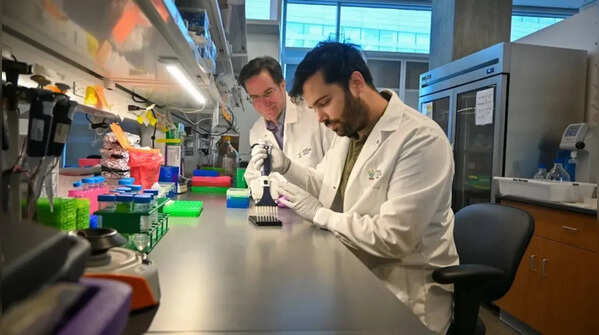
Dr. Rachna Shroff from the University of Arizona Cancer Center said the results were “landscape-changing.” Although she wasn’t involved with the trial, as per The Guardian, she shared how specialists for pancreatic cancer have waited forever for a win like this. She said, “We are seeing unprecedented survival,” adding, “Having treated pancreatic cancer for 16 years, I actually started crying in clinic. This is such an incredibly impactful study for our patients, and I really congratulate the [trial] investigators.”
Dr Julie Gralow, Asco’s chief medical officer and executive vice-president, who was also not involved with the trial, said it was a “gamechanger”. She added, “I’ve heard this study described as a home run. I would actually say it’s a grand slam.”
Moreover, this pill isn’t just about pancreatic cancer. RAS mutations also drive lung cancer, colon cancer, and several other tumor types. Daraxonrasib’s success may kickstart a whole new wave of targeted therapies for those cancers, too.
Is this the ultimate cure for pancreatic cancer?
Not really — this isn’t a miracle cure. Eventually, cancer tends to outsmart even the best treatments. Some patients get resistant, and the disease comes roaring back. Scientists are already planning studies with combinations: daraxonrasib plus immunotherapy, surgery, radiation, or other targeted drugs, hoping for even better long-term results.
And the pill isn’t officially approved everywhere yet. The FDA has allowed more patients to try it, but daraxonrasib hasn’t cleared the final regulatory hurdles. The company behind it, Revolution Medicines, plans to submit data to agencies around the world soon, so widespread access is on the horizon.
But for families facing a pancreatic cancer diagnosis, these results mean hope. For decades, survival rates barely budged. Daraxonrasib is offering something beyond months of life — it’s giving patients and doctors actual momentum for the first time in ages.
Featured In etimes

