
- News
- Health News
- Think cancer is mostly genetic? Doctors say 90% is linked to lifestyle: Here’s how to lower your risk
Think cancer is mostly genetic? Doctors say 90% is linked to lifestyle: Here’s how to lower your risk
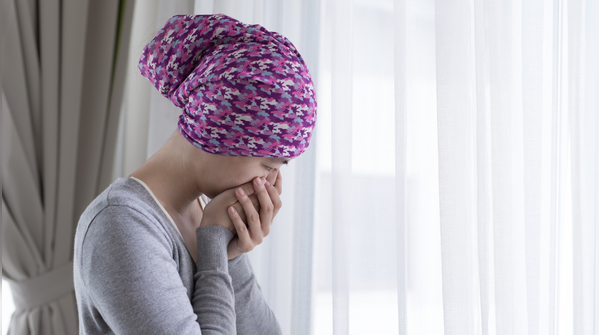
Cancer risk is more controllable than you think
Cancer is often spoken about like destiny, something written into DNA and waiting to unfold. That idea feels comforting in a strange way, because it shifts control away from daily choices. But doctors are steadily pushing back against that belief. The bigger story is not inheritance, but how people live, breathe, eat, and move every single day.
Dr Indranil Ghosh, Senior Consultant, Medical Oncology at Apollo Cancer Centre Kolkata, explains it clearly, “Family history can influence cancer risk, but it is often misunderstood. Most cancers are not inherited, with only about 5–10% linked to genetic mutations, while 90-95% are associated with lifestyle and environmental factors, including air pollution.”
That single line changes the conversation. It means risk is not fixed. It shifts, grows, and sometimes reduces based on everyday habits.

The myth of “genetic destiny”
Many people believe cancer runs in families and therefore cannot be avoided. That belief is only partly true. A small portion of cancers arise from inherited mutations, but the majority develop over time due to exposure and behaviour.
This distinction matters because it reframes responsibility. It does not mean blame, but it does mean awareness. If lifestyle shapes risk, then prevention becomes practical, not theoretical.
James Valentine opted for voluntary assisted dying at home: Silent cancer explained, causes, symptoms and lifestyle risks men should watch out for
Large population studies by the World Health Organization consistently show that tobacco use, poor diet, inactivity, alcohol, and pollution drive a major share of global cancer cases. The message is simple: genes may load the gun, but lifestyle often pulls the trigger.
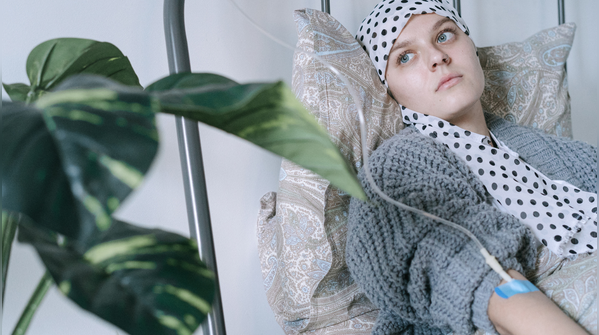
Smoking still leads the danger list
Despite decades of awareness campaigns, smoking remains one of the most powerful cancer triggers.
Dr Ghosh points out, “As per WHO, smoking remains the dominant risk factor for lung cancer and is responsible for around 85% of cases globally.”
That number is stark. It shows how one habit alone can outweigh genetic risk for many people. Smoking does not just affect the lungs. It increases the risk of cancers in the mouth, throat, pancreas, and bladder as well.
What makes it more dangerous is its cumulative nature. The longer the exposure, the higher the risk. But stopping even later in life still reduces that risk significantly.
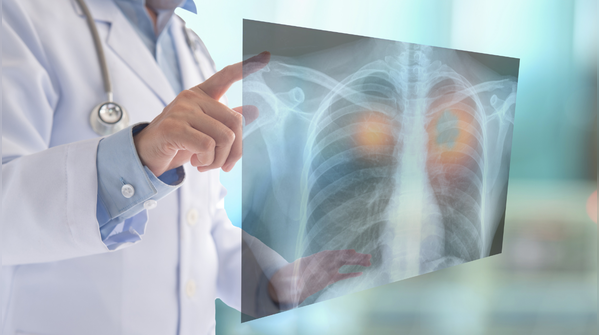
Air pollution: the invisible risk
Unlike smoking, air pollution is not always a choice. It is part of the environment people live in, especially in rapidly growing urban areas.
Dr Ghosh highlights a growing concern, “The International Agency for Research on Cancer (IARC) classifies outdoor air pollution and particulate matter as carcinogenic to humans (Group 1) and notes increasing lung cancer risk with higher exposure.”
That classification from the International Agency for Research on Cancer places air pollution in the same category as tobacco in terms of cancer-causing potential. Over time, high AQI levels can quietly damage lung tissue and increase long-term cancer risk.
This is why even non-smokers are being diagnosed with lung cancer at higher rates than before.

Lifestyle is a daily exposure, not a one-time event
Cancer risk does not come from one unhealthy meal or one missed workout. It builds slowly.
Diet high in processed foods, lack of physical activity, chronic stress, and poor sleep all create a biological environment where inflammation rises. Over time, this can damage cells and affect how they repair themselves.
A government-backed report by the Indian Council of Medical Research (ICMR-NCDIR) has linked rising cancer incidence in India with changing lifestyle patterns, especially in urban areas.
Similarly, the National Cancer Institute explains how long-term exposure to risk factors like obesity and alcohol contributes significantly to cancer development.
These are not rare risks. They are everyday patterns.
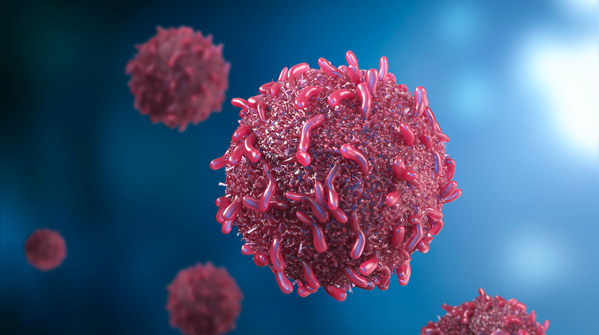
Treatment is changing, but prevention still matters more
There is another misconception that cancer treatment is always harsh and hospital-bound. That picture is slowly changing.
Dr Ghosh notes, “In reality, oncology is gradually shifting towards more patient-centric approaches where treatment effectiveness is balanced with practicality. Newer treatment formats aim to reduce administration time so that patients spend less time in hospitals and more time in their normal environments.”
That shift matters. It improves quality of life during treatment. But it does not replace prevention. Even the most advanced therapy cannot fully undo long-term damage from sustained exposure to risk factors.
What actually lowers risk in real life
Reducing cancer risk is less about extreme changes and more about steady habits.
Start with tobacco. Avoid it completely. If already using it, stopping is the single most effective step.
Pay attention to air quality. On high AQI days, limit outdoor activity and use protective masks when needed.
Build movement into the day. It does not require a gym. Walking for 30 minutes daily already improves metabolic health.
Focus on food that looks close to its natural form. Fruits, vegetables, whole grains, and home-cooked meals make a difference over time.
Sleep well and manage stress. These are often ignored, but they shape how the body repairs itself.
And finally, get screened when recommended. Early detection changes outcomes dramatically.
Medical experts consulted
This article includes expert inputs shared with TOI Health by:
Dr Indranil Ghosh, Senior Consultant Medical Oncology, Apollo Cancer Centre Kolkata.
Inputs were used to explain how most cancer risk is driven by lifestyle and environmental factors rather than genetics, and to highlight practical steps individuals can take to lower their risk through everyday choices and early awareness.
Featured In Health

