
- News
- Health News
- Uric acid rising without joint pain? Doctors reveal hidden fatty liver and metabolic risks and how simple lifestyle changes can reverse it
Uric acid rising without joint pain? Doctors reveal hidden fatty liver and metabolic risks and how simple lifestyle changes can reverse it

High uric acid without pain? How to protect your liver and metabolism
A routine blood test comes back with a red flag: uric acid is high. But there is no joint pain, no swelling, no signs of gout. It feels confusing, even easy to ignore. Yet, doctors are beginning to treat this pattern differently. Elevated uric acid without symptoms is no longer seen as harmless. It is now viewed as a quiet signal that the body’s metabolism may be under strain.
Dr Sharad Malhotra, Senior Consultant & Director, Gastroenterology, Hepatology & Therapeutic Endoscopy, Aakash Healthcare, explains, “Many individuals are found to have Hyperuricemia without any obvious symptoms, particularly joint pain, which is traditionally associated with high uric acid levels. This makes it a silent metabolic marker that should not be overlooked.”
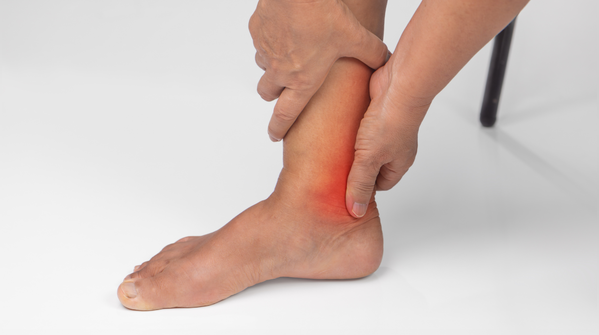
The silent rise: Why uric acid climbs without warning
Uric acid forms when the body breaks down purines, substances found naturally in cells and many foods. Normally, the kidneys filter it out. But this balance is delicate.
In many people today, the rise has little to do with classic triggers like red meat binges. Instead, it is tied to modern habits: long sitting hours, erratic meals, and excess sugar intake. The body keeps producing uric acid, but excretion slows down.
This is why someone can feel completely fine and still have elevated levels. There is no pain because gout has not developed. But the internal imbalance has already begun.

The fatty liver connection doctors are watching closely
The liver plays a central role in managing fats, sugars, and toxins. When fat starts accumulating in liver cells, a condition known as fatty liver disease develops. This is where uric acid enters the picture in a more serious way.
Dr Malhotra notes, “Emerging evidence suggests that elevated uric acid is not just limited to gout but is closely linked with Fatty Liver Disease, insulin resistance, and broader metabolic dysfunction.”
Research from the National Institutes of Health (NIH) has shown a consistent association between hyperuricemia and non-alcoholic fatty liver disease (NAFLD).
The link is not casual. A fatty liver struggles to process substances efficiently, including uric acid. Over time, this worsens the imbalance.
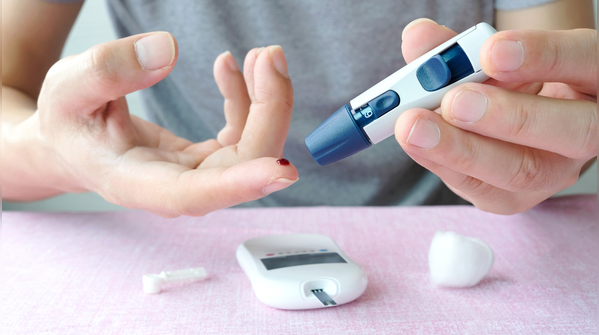
Insulin resistance: The hidden driver behind both
At the center of this puzzle sits insulin resistance. When cells stop responding well to insulin, the body compensates by producing more of it. This disrupts multiple systems at once.
Dr Malhotra explains it clearly, “When the body develops insulin resistance, it not only affects blood sugar regulation but also disrupts the metabolism and excretion of uric acid, leading to its accumulation.”
High insulin levels reduce the kidneys’ ability to excrete uric acid. At the same time, they promote fat storage in the liver. This creates a loop where each condition feeds the other.
So, high uric acid is not just a number. It is often a sign that the metabolic engine is misfiring.
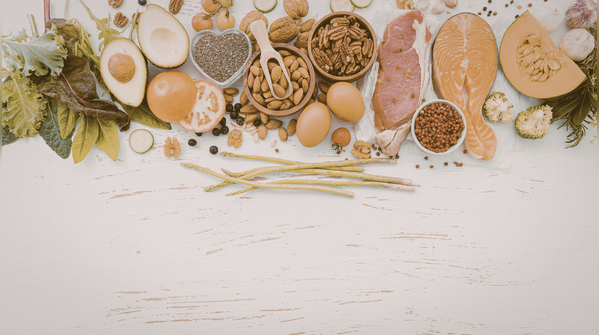
The high-protein diet debate: helpful or overhyped?
Scroll through fitness trends today, and high-protein diets dominate the conversation. Protein shakes, keto plans, carnivore diets. They promise fat loss and muscle gain. But where does uric acid fit in?
The answer is not black and white.
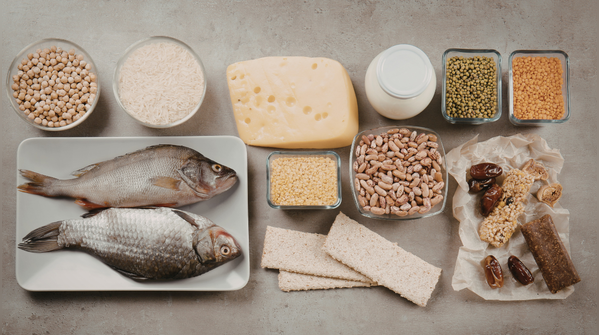
High-protein diets can help with weight loss and improve insulin sensitivity when done right. Lean protein, balanced with fibre and healthy fats, supports metabolism. But problems begin when protein intake becomes excessive, especially from animal sources rich in purines.
Too much red meat, organ meat, and certain seafood can push uric acid levels higher. At the same time, many high-protein diets cut out fruits, whole grains, and fibre. This weakens gut health and slows metabolic recovery.
The real issue is not protein itself. It is imbalance. A diet that is high in protein but low in diversity often does more harm than good. As nutrition science often reminds us, the body thrives on balance, not extremes.

Reversing the trend: What actually works
The good news is that this is reversible in many cases. But it requires looking beyond quick fixes.
Dr. Malhotra emphasizes a broader approach, “It is important to view elevated uric acid as part of a larger metabolic picture rather than an isolated issue.”
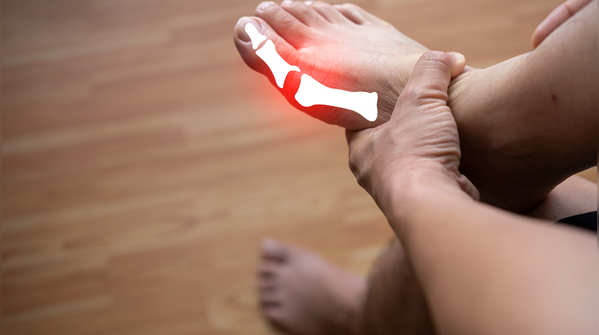
Practical steps that show real impact include:
Reducing added sugars, especially fructose-heavy drinks
Eating balanced meals with vegetables, whole grains, and moderate protein
Maintaining a steady weight instead of crash dieting
Moving daily, even simple walking improves insulin response
Staying well hydrated to support kidney function
Small changes, done consistently, often bring better results than strict diets that last only a few weeks.
Why ignoring it may cost more later
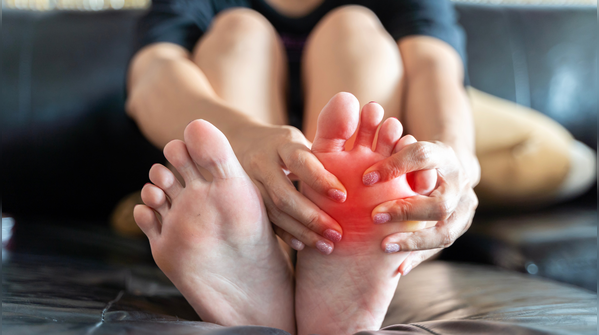
It is tempting to dismiss high uric acid when there is no pain. But the risks build quietly. Over time, it can contribute to kidney strain, cardiovascular issues, and worsening liver health.
Early detection offers a window. It allows the body to reset before damage becomes harder to reverse.
The bigger picture: A marker, not a mistake
Uric acid is not the enemy. It is a messenger. It reflects how the body is handling food, stress, and energy.
Seeing it this way changes the approach. Instead of chasing one number, the focus shifts to restoring balance across the system. That is where real health begins.
Medical experts consulted
This article includes expert inputs shared with TOI Health by:
Dr Sharad Malhotra, Senior Consultant & Director, Gastroenterology, Hepatology & Therapeutic Endoscopy, Aakash Healthcare.
Inputs were used to explain why uric acid levels can rise even without joint pain, highlighting its link to fatty liver and metabolic health, and why consulting a doctor is important for early detection and management.
Featured In Health

