
- News
- India News
- 'There is a limit': Supreme Court on fresh pleas relating to 1991 places of worship law
Trending
'There is a limit': Supreme Court on fresh pleas relating to 1991 places of worship law
The Supreme Court showed concern over numerous petitions questioning the Places of Worship (Special Provisions) Act, 1991, meant to preserve the status of religious sites as of August 15, 1947. Cases include groups seeking mosque surveys and AIMIM leader Owaisi's plea. Court discussions focus on Sections 3 and 4 of the law.
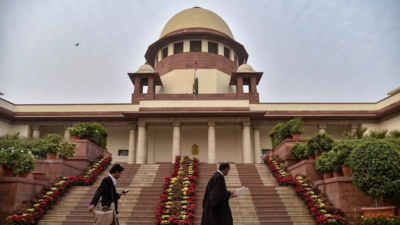
The apex court adjourned the hearing of pleas filed challenging the validity Places of Worship (Special Provisions) Act 1991, which preserves the character of religious places as they existed on August 15, 1947.
'There is a limit,' says SC
Chief Justice Sanjiv Khanna and Justice Sanjay Kumar, sitting as a two-judge bench, indicated they might not hear cases previously managed by three judges.
The CJI expressed concern about the increasing number of petitions and interim applications, suggesting a possible hearing date in March.
"There is a limit to which petitions can be filed. So many IAs (interim applications) have been filed. We might not be able to take it up", the CJI said.
Multiple pleas filed
Through its December 12, 2024 order, the court halted proceedings in 18 lawsuits by Hindu groups seeking surveys of 10 mosques, including Gyanvapi, Shahi Idgah Masjid, and Shahi Jama Masjid in Sambhal, where four people lost their lives in violence. The court had scheduled all petitions for hearing on February 17.
Post December 12, new petitions were filed by AIMIM's Asaduddin Owaisi, Kairana MP Iqra Choudhary, and Congress, seeking enforcement of the 1991 law.
On February 14, Choudhary voiced concerns about legal actions against mosques and dargahs threatening national harmony. The court agreed to examine Owaisi's similar petition.
The Akhil Bhartiya Sant Samiti sought to join cases challenging the 1991 law's validity. Previously, the court heard six petitions, including lawyer Ashwini Upadhyay's challenge to the law's provisions.
The Ayodhya dispute was excluded from this law.
Jamiat Ulama-i-Hind advocates strict implementation to preserve mosques' status, while Upadhyay seeks to invalidate Sections 2, 3, and 4. Petitioners argue these provisions deny judicial remedy for reclaiming worship places.
The court noted the focus on Sections 3 and 4 of the law, saying, "ultimately, we will have to hear the arguments."
Section 3 addresses conversion prohibition, while Section 4 covers religious character declarations and court jurisdiction limits. The Gyanvapi Mosque committee opposed petitions challenging the 1991 law's validity.
The committee highlighted disputes involving various mosques and dargahs, suggesting the petitions were filed to enable lawsuits against protected religious sites.

About the Author
TOI News DeskEnd of Article
FOLLOW US ON SOCIAL MEDIA






Photostories

Hot Picks
TOP TRENDING
Explore Every Corner
Across The Globe
Wayne GretzkyOsamu NishimuraDamian LillardAaron JudgeMel Kiper JrSidney CrosbyAnthony EdwardsNBA Halftime ShowDenver Nuggets vs Detroit PistonsHow to Play Monster HunterTaylor SwiftGTA 6 Dev Teases 2025 ReleaseGTA 6 Female ProtagonistSydel CurryHarry Potter QuotesAnthony EdwardsWWE Elimination Chamber 2025GTA 5 Cheat Codes ListShedeur SandersTravis KelceJa MorantTrump Zelensky MeetingKevin DurantDarius GarlandBank HolidaysShaquille O NealChampions Trophy Points TableBank Holidays in MarchChampions Trophy ScheduleICC Champions Trophy Live Streaming
Hot on the Web
Kiara Advani Pregnancy NewsRamadan 2025 DateKing CobraIbuprofen GuideRamadan 2025 WishesRamadan 2025Tanmay BhatRamadan Wishes 2025GovindaSunita AhujaVitamin D FoodsRanveer AllahbadiaSandeep Reddy VangaOptical IllusionGinger Turmeric Tea BenefitsCloves BenefitsUttam MohantyMere Husband Ki Biwi CollectionChhaava Box Office CollectionChhaava Movie ReviewAshwagandha for Hair GrowthChum DarangUnique AnimalsBig Cat Safari DestinationChickpea Curry RecipeSadhguru Diet HabitsSummer GardeningAnimal SpeedstersAnimals for Good LuckUS National Parks
Trending Topics
Whatsapp DownCam NewtonJoe BurrowNBA Buyout RumorsTravis HunterIndiana Pacers vs Miami HeatStephen CurryChad JohnsonVictor Wembanyama Net WorthJeff SchennMichael JordanAlex OvechkinConnor McdavidAnthony DavisTravis KelceMike JohnsonNyt StrandsNyt ConnectionsNBA Buyout RumorsKing Legacy CodesDa Hood CodesWordle HintsNvidiaIsaiah BondTyrese HaliburtonPune Bus RapeJimmy ButlerChampions Trophy Points TableChampions Trophy ScheduleICC Champions Trophy 2025 Live Streaming
Popular Categories
HeadlinesSports NewsBusiness NewsIndia NewsWorld NewsBollywood NewsHealth+ TipsIndian TV ShowsTechnologyICC Champions TrophyIPLTravelEtimesHealth & FitnessHollywood NewsWeb SeriesWWEUS NewsNFLHow to watch IPL 2025How to watch IPL in CanadaHow to watch IPL in USACBSETechnology NewsInternational SportsAstrologyPublic HolidaysBank HolidaysIndia vs New ZealandWeather Today
Latest News
No suicide reports from 3,522 universities, colleges: UGC'Miracle of restraint': Russia on Trump, Vance 'holding back from hitting Zelenskyy' after Oval Office blow upNBA Offseason Rumors: Los Angeles Lakers might be interested in 6-foot-11 Brooklyn Nets star to support Luka Doncic and LeBron James in their Championship pushLittle-known law helps firm dodge legal feesSC relief for Isha yoga centre on Tamil Nadu government's noticePokemon GO Tour Unova 2025: Exploring shiny odds of all featured Pokemon during the global eventStalin attacks Centre on Hindi, delimitationJeffrey Epstein's island: Where it is, who owns it, and what happened thereCongress warns netas from Kerala against speaking out of turn“A father figure”: Travis Hunter acknowledges the pivotal role Deion Sanders played in his development, terming him a guiding lightTravis Kelce steps forward to protect his beau Taylor Swift amid Super Bowl fallout and public scrutinyChamoli Avalanche: Uttarakhand CM announces temporary control room in JoshimathWill Luka Doncic play tonight against the LA Clippers? Latest update on the Los Angeles Lakers star's injury report (February 28, 2025)Uttarakhand avalanche: Mana villagers saved by ancient wisdom & annual migrationBaby born with ear on the cheek due to a rare conditionUttarakhand avalanche: Not the 1st time avalanche hit forces in this high-risk areaHeavy snowfall, rain wreak havoc in Himachal; 500 roads blocked'Zelenskyy, Ukraine delegation told to leave' after heated exchange with Trump: White House official
Copyright © 2025 Bennett, Coleman & Co. Ltd. All rights reserved. For reprint rights: Times Syndication Service