
Hair growth oils: 5 best oils to mix with castor oil for quick hair growth

Coconut oil
If castor oil had a best friend, it would be coconut oil.
Coconut oil is lighter, spreads easily, and helps castor oil penetrate the hair more evenly. Think of it as the oil that makes everything work better.
What makes coconut oil special is its ability to enter the hair shaft instead of just sitting on top. That means less protein loss, stronger strands, and reduced breakage - which is often mistaken for “slow growth.”
Because here’s the thing: hair usually grows at the same biological speed. What changes is how much hair survives without snapping.
Mix one part castor oil with two parts coconut oil and you instantly get a blend that feels smoother and washes out easily.
It’s especially good if your hair feels dry, rough, or damaged from heat styling.

Almond oil
Almond oil doesn’t get enough attention, but beauty insiders love it.
It’s lightweight, rich in vitamin E, and incredibly gentle on the scalp. Traditional beauty routines across cultures have used almond oil to nourish hair and improve texture for centuries.
When mixed with castor oil, almond oil softens the thickness and turns the blend into a silky treatment instead of a heavy mask.
Why it works:
Helps reduce breakage
Adds softness and shine
Makes hair easier to manage
If your hair tangles easily or feels dull, this combination works wonders.
And honestly, it’s one of the easiest oil blends for beginners.
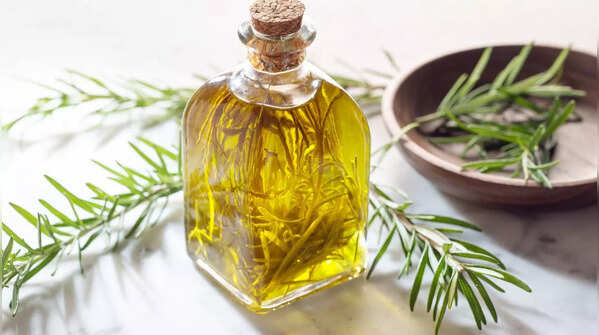
Rosemary oil
This is where things get interesting.
Unlike castor oil, rosemary oil actually has research backing its potential role in improving hair growth conditions. Clinical studies have shown rosemary-based oil blends improving hair density, thickness, and reducing hair fall over time.
But rosemary oil is potent. You never use it alone.
Instead, add a few drops of rosemary essential oil into a castor oil mixture. The castor oil moisturises and protects, while rosemary stimulates circulation around hair follicles.
Together, they create a balanced treatment.
Beauty editors often call this combination the closest thing to a natural scalp therapy.
Just remember: a few drops are enough.
More does not mean better.

Jojoba oil
Jojoba oil is technically not an oil at all. It’s a liquid wax that closely resembles the natural sebum produced by your scalp.
Which means your scalp recognises it instantly.
When mixed with castor oil, jojoba helps prevent buildup and keeps the scalp balanced — not too oily, not too dry.
This matters more than people realise.
Healthy growth begins at the scalp level. If follicles are blocked or irritated, hair struggles regardless of how many products you apply.
Jojoba oil helps:
calm itchy scalp
regulate excess oil
improve overall scalp comfort
If you have oily roots but dry ends, this blend is ideal.
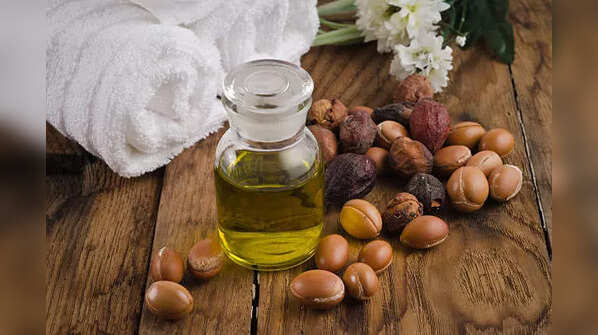
Argan oil
Argan oil is often called “liquid gold,” and once you use it, you understand why.
It’s packed with antioxidants and fatty acids that smooth the hair cuticle, making strands look glossy and healthier almost instantly.
Castor oil provides deep moisture. Argan oil brings softness and movement.
Together, they create that expensive salon finish without actually visiting a salon.
This mix works beautifully for:
frizz-prone hair
coloured or chemically treated hair
people who hate greasy oiling routines
Your hair feels nourished but still light.
And yes, it smells much better than pure castor oil.
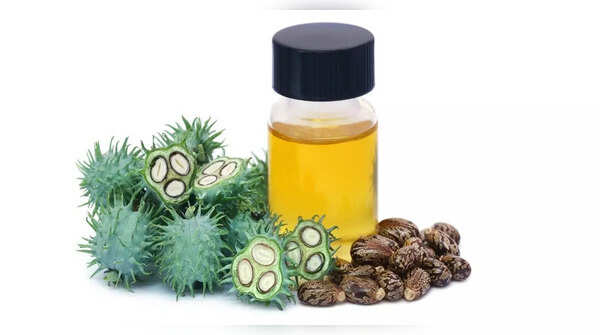
How to mix castor oil the right way
The biggest mistake people make is using too much castor oil.
Because it’s dense, experts usually recommend keeping castor oil as the smaller portion of your blend.
A simple ratio works well:
One tablespoon castor oil
Two tablespoons carrier oil (coconut, almond, jojoba, or argan)
Optional: 3–5 drops rosemary oil
Warm the mixture slightly between your palms before applying.
Warm oil spreads better and feels more relaxing during massage.

How to apply for best results
Hair oiling isn’t just about coating strands. The real magic happens during scalp massage.
Use your fingertips - not nails, and massage gently for five minutes. This helps blood circulation and allows oils to distribute evenly.
Leave the oil on for at least 30 minutes. Overnight works too if your scalp tolerates oil well.
Then shampoo gently. You may need two washes to remove heavier oils.
Two to three times a week is enough.
More than that can lead to buildup rather than benefits.
A small reality check about hair growth
Let’s clear one myth.
No oil can suddenly make hair grow dramatically faster.
Experts consistently say castor oil doesn’t scientifically accelerate growth speed. What it does is improve hydration, reduce breakage, and protect strands — which makes hair appear fuller and longer over time.
And honestly, that’s still a big win.
Because most people don’t lose length due to slow growth. They lose it due to damage.
Healthy scalp + strong strands = visible growth.

The beauty of oil blending
There’s something comforting about oiling your hair. It slows you down. Forces you to care for yourself for a few quiet minutes.
And maybe that’s why these rituals survive trends and expensive launches.
Castor oil works best not as a miracle cure, but as a supportive base. When paired with the right oils, it becomes part of a routine that strengthens hair gradually, naturally, and sustainably.
So next time you reach for that thick bottle of castor oil, don’t use it alone.
Mix it. Massage it. Stay consistent.
Your hair won’t transform overnight - but give it a few weeks, and you’ll likely notice what matters most: stronger strands, calmer scalp, and hair that simply feels healthier.
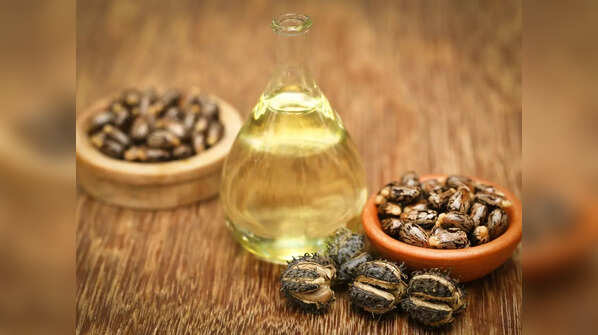
Which oil do you blend with castor oil?
Have you tried blending any oil with castor oil, let us know your oil blending method.
Featured In lifestyle

MORE FROM ETIMES
life & style