
The J-beauty secret: 5 Japanese ingredients transforming the skincare game
Japanese Skincare Secrets
Let’s be honest for a second. We’ve all been guilty of bombarding our faces with a heavy rotation of aggressive acids, potent peels, and gritty scrubs, hoping to force our skin into submission. The result? A compromised barrier, redness, and a whole lot of frustration. This is exactly why the beauty world is pivoting hard toward the East. Japanese beauty—or J-Beauty—flips the script entirely. Instead of attacking your skin, the philosophy is built on a foundation of deep hydration, gentle efficacy, and botanical science that actually works with your biology.
If you are ready to ditch the redness and build a resilient glow, here are the five science-backed Japanese ingredients shaking up the skincare game right now.
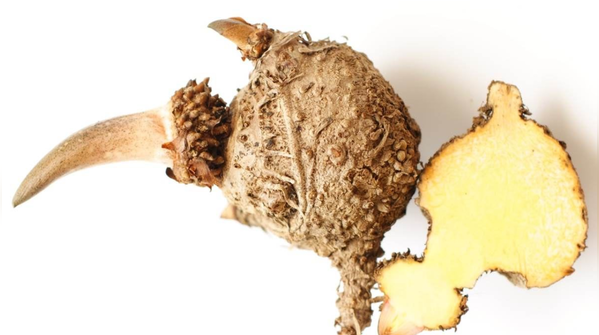
Konjac: The End of "Sandpaper" Scrubs
Think about the last time you used a physical facial scrub. Did it feel a bit like sandpaper? Most physical exfoliants cause microscopic tears in your skin, which invites bacteria and moisture loss. Enter the konjac root. While it’s a staple in Asian cuisine, the beauty industry has transformed it into the ultimate facial sponge. When you get a konjac sponge wet, its naturally occurring glucomannan fiber turns into a ridiculously soft, jelly-like cushion. It sloughs off dead cells and everyday grime without touching your delicate moisture barrier. Plus, it is naturally slightly alkaline, meaning it actively neutralizes acidic impurities and balances your skin’s pH while you wash. And for the eco-conscious? They are 100% compostable.
(Image Credits: Pinterest)
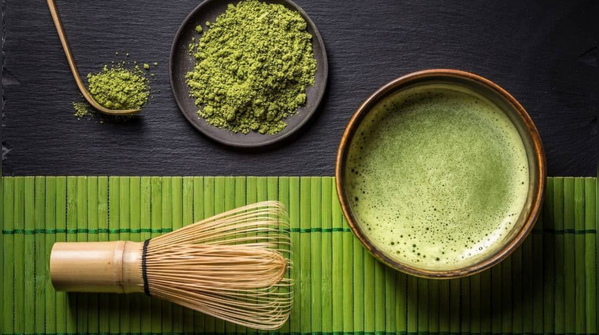
Green Matcha: Not Just for Your Latte
Drinking matcha does wonders for your energy, but applying it topically is a completely different ballgame. Because matcha powder is created by grinding the entire green tea leaf, it packs a significantly heavier punch than standard steeped tea. It is absolutely loaded with EGCG and polyphenols. Think of these antioxidants as a microscopic shield, neutralizing the free radicals you pick up from pollution and UV exposure before they can cause premature aging. If your skin is throwing a tantrum, matcha’s natural anti-inflammatory properties calm redness down fast, while its naturally occurring tannins shrink blood vessels to depuff and regulate excess oil.
(Image Credits: Pinterest)
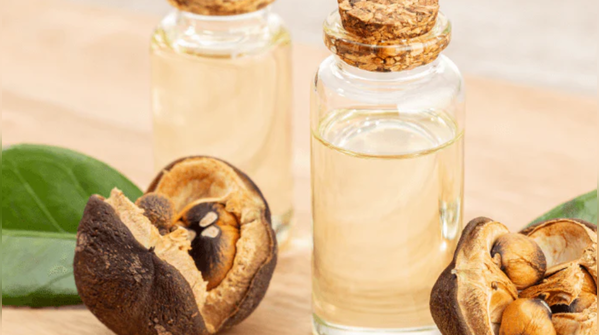
Camellia Oil (Tsubaki): The Biomimetic Hydrator
Terrified of putting oil on your face? I don't blame you, but camellia oil is the exception to the rule. Extracted from the seeds of the Camellia japonica flower, this was the historical secret behind the famously flawless complexions of Japanese geishas. The magic here is in its biomimetic nature. Camellia oil is rich in oleic acid (omega-9), linoleic acid, and squalene—a makeup that is incredibly similar to human sebum. Because your skin recognizes it, it drinks it up instantly without leaving a heavy, greasy film on top. It’s completely non-comedogenic (meaning no clogged pores), and clinical studies actually show it promotes collagen synthesis while reinforcing your lipid barrier.
(Image Credits: Pinterest)

Yuzu: The Hydrating Vitamin C
C If standard Vitamin C serums leave your face feeling tight and stinging, you need to meet Yuzu. It’s a fragrant Japanese citrus fruit that contains drastically more Vitamin C than your average lemon or orange. Yuzu is a powerhouse for brightening. It aggressively inhibits melanin production, which is exactly what you need to fade stubborn hyperpigmentation, acne scars, and sun damage. It also directly stimulates collagen for that coveted youthful bounce. But here is the real kicker: unlike other citrus extracts that can be highly astringent, yuzu contains essential oils that act as natural humectants. It literally pulls moisture into your skin while it brightens.
(Image Credits: Pinterest)
Sakura Extract: Serious Barrier Repair
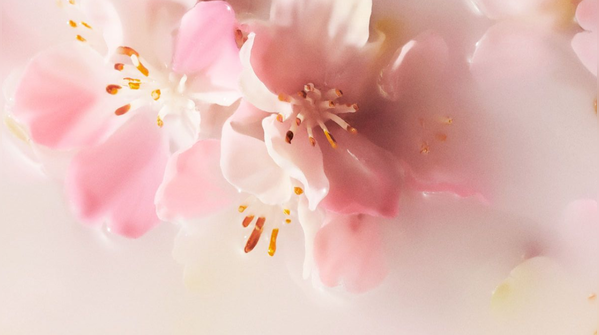
Cherry blossoms (Sakura) look stunning on a spring postcard, sure. But in a skincare lab, their extracts are highly functional anti-aging tools. Sakura is a champion at fighting a biological process called glycation. Essentially, glycation happens when excess sugars in your body bind to your collagen and elastin, making them rigid and causing your face to sag. Sakura extracts help stop this process in its tracks, keeping the skin supple and elastic. Packed with essential fatty acids and flavonol glucosides, it’s also brilliant at repairing a damaged skin barrier and soothing highly reactive, rosacea-prone skin.
(Image Credits: Pinterest)
Featured In lifestyle

MORE FROM ETIMES
life & style