
- News
- lifestyle
- fashion
- style-guide
- Cotton vs mulmul: Key differences and which one to choose this summer
Cotton vs mulmul: Key differences and which one to choose this summer
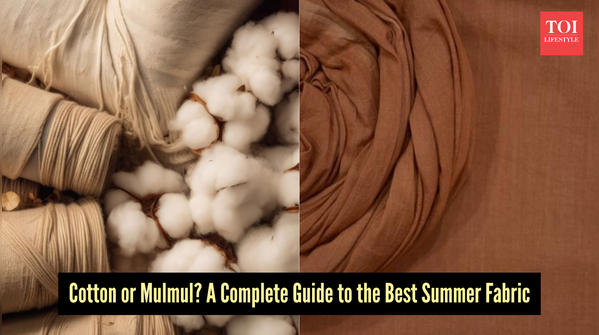
Cotton vs Mulmul for Summer
Summer hits differently, doesn't it? The moment the temperatures soar and the heatwaves roll in, the universal style advice is to just throw on some cotton. It's breathable, it's completely natural, and it basically saves our lives from May to July.
But lately, if you’ve been scrolling through any 'quiet luxury' or elevated everyday ethnic fashion moodboards, you've probably noticed a distinct aesthetic shift. The style set isn't just wearing regular cotton anymore. They are absolutely obsessed with mulmul.
So what exactly is the difference? And before you hit 'add to cart' on that dreamy pastel saree, which one should you actually be buying? Let’s break it down.
The Big Secret: All Mulmul is Cotton
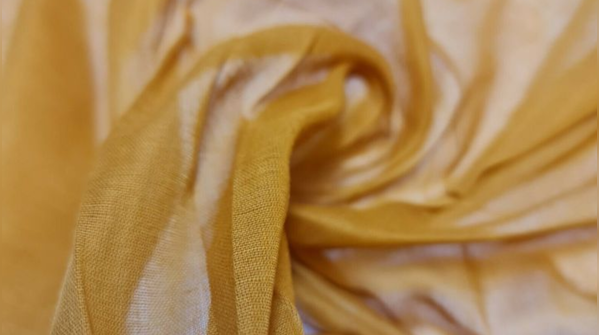
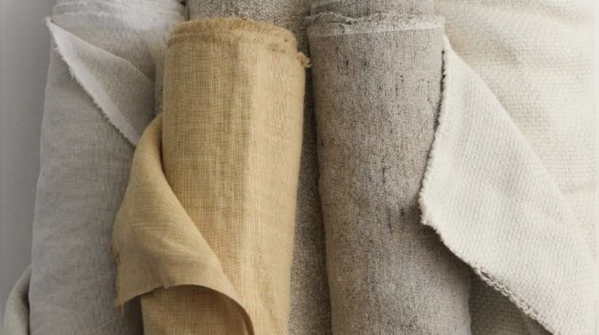
Here is the easiest way to wrap your head around it. All mulmul is actually cotton, but definitely not all cotton is mulmul. Cotton is the raw fiber straight from the plant. It's the starting ingredient. Mulmul—which is globally recognized as muslin—is a very specific kind of weave created using that exact same raw cotton. Originally handwoven by incredibly skilled Bengali artisans centuries ago, it was essentially the fabric of royalty. Regular cotton gives you that standard, slightly structured fabric you see in everything from your crisp poplin office shirts to sturdy canvas totes. Mulmul is what happens when that raw material is spun into incredibly fine, high-twist yarns and woven very loosely.
(Image Credits: Pinterest)
The Touch and Feel Test
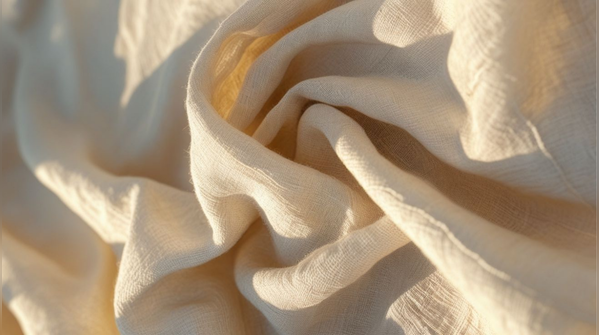
If you closed your eyes and touched them, you'd know the difference instantly. Standard cotton has a bit of bite to it. It’s generally opaque, medium-to-heavy in weight, and often feels wonderfully crisp. It holds up beautifully to endless machine washes and heavy daily wear. Sometimes, it can even feel a tiny bit stiff before you break it in over a few months. Mulmul is the complete opposite. It’s feather-light and semi-sheer. Because it’s so highly porous, it lets the breeze literally pass right through to your skin. The texture? Absolute butter. It’s incredibly delicate, meaning it does require a gentle hand-wash (don't even think about throwing it in a rough spin cycle, because it might snag), but the payoff is entirely worth it. The best part about mulmul is that with every single wash, it somehow manages to get even softer.
(Image Credits: Pinterest)
Draping the Difference
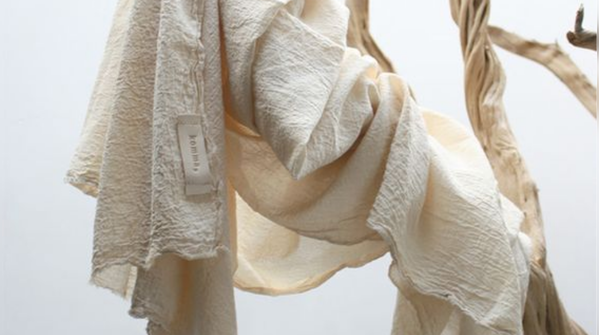
Now, this is where it really matters: ethnic wear. If you are picking out a saree or a kurta set for the season, understanding this difference will totally change your silhouette. When you opt for traditional standard cottons—think a classic Tant, a Chettinad, or a Mangalagiri weave—you are signing up for structure. These sarees have a slightly starchy, architectural quality. They hold their pleats with razor-sharp precision and stand slightly away from your body. It’s a very strong, commanding look that brings a lot of volume. Mulmul, on the other hand, is pure romance. Because it completely lacks that built-in stiffness, a mulmul saree drapes fluidly, hugging close to the body. The pleats don't form rigid lines; they fall softly and organically. It gives that effortless, "barely there" aesthetic that is absolutely perfect for surviving a brutal afternoon heatwave while still looking incredibly put together.
(Image Credits: Pinterest)
Which One Wins?
Honestly, neither. It's all about the vibe you want for the day. Need a crisp, authoritative silhouette that will survive a long commute and a day full of meetings? Go for standard cotton. Want a soft, fluid aesthetic that feels like you're wearing a cloud? Mulmul is your best friend. Choose wisely, and stay cool out there.
(Image Credits: Pinterest)
Featured In lifestyle

