
10 seasonal vegetables one should eat in the month of May

10 seasonal vegetables one should eat in the month of May
As temperatures rise and the body begins to crave lighter, fresher meals, May becomes a smart month to lean into vegetables that are cooling, hydrating and naturally abundant. Seasonal produce tends to taste better because it is harvested at the right time and often brings more flavour, better texture, and a stronger nutrient profile to the plate. In a month when the heat can leave people feeling sluggish, the right vegetables can help meals feel easier to digest and more refreshing without becoming boring. From crisp gourds to leafy greens and summer staples that hold up well in simple home cooking, May offers plenty to work with. Whether you are planning sabzis, salads, stir-fries or soups, here are 10 vegetables worth eating in May.
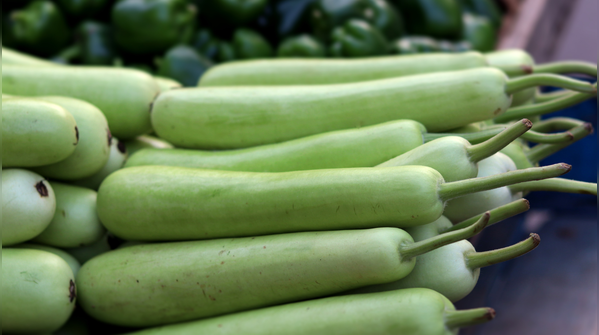
Bottle gourd
Bottle gourd, or lauki, is one of the most reliable summer vegetables for May. Light on the stomach and high in water content, it fits easily into the kind of meals people naturally prefer when the weather turns hot. It cooks quickly, carries flavour well and can be turned into a simple sabzi, soup or even a nourishing juice when needed. Its biggest strength is its versatility. A little cumin, ginger and green chilli can transform it from bland to comforting, while still keeping the dish gentle and cooling. In many homes, bottle gourd becomes a quiet seasonal hero because it helps meals feel balanced without being heavy.
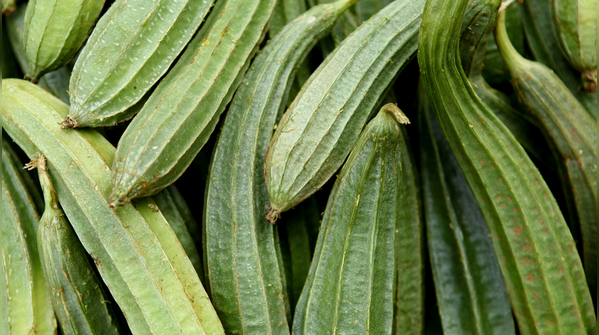
Ridge gourd
Ridge gourd, or tori, is another vegetable that deserves more attention in May. Soft, slightly sweet and naturally watery, it is well suited to the heat because it does not weigh the body down. Ridge gourd is often cooked with minimal seasoning, which allows its delicate taste to come through. It works beautifully in dry sabzis, light gravies and even with dals. Since it softens fast, it is also practical for quick weeknight cooking. The vegetable may not look flashy, but it earns its place in the summer kitchen by being easy, soothing and dependable.

Cucumber
Cucumber is one of the most refreshing vegetables to keep on hand in May, especially when meals need a cooling edge. It is crisp, hydrating and easy to include in almost anything, from salads to raitas to simple snack plates. In hotter months, cucumbers often become more than just a garnish; they offer a welcome break from rich or spicy food. They also need very little preparation, which makes them ideal for busy days. A sliced cucumber with a little salt, lemon and roasted cumin can feel almost restorative when the heat is heavy.
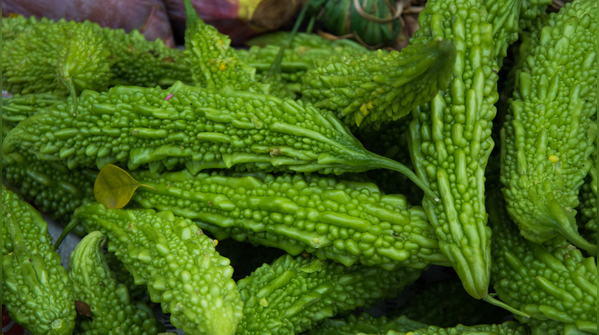
Bitter gourd
Bitter gourd, or karela, may not be everyone’s first choice, but May is a good time to eat it regularly. Known for its distinct bitterness, karela is often cooked with onions, spices or stuffed masala to balance its flavour. It is a vegetable many people associate with home-style seasonal eating because it feels grounding and strong in hot weather. Bitter gourd has a reputation for being intense, yet that is also what makes it memorable in the kitchen. When prepared well, it can be crisp on the outside, tender inside and surprisingly satisfying.
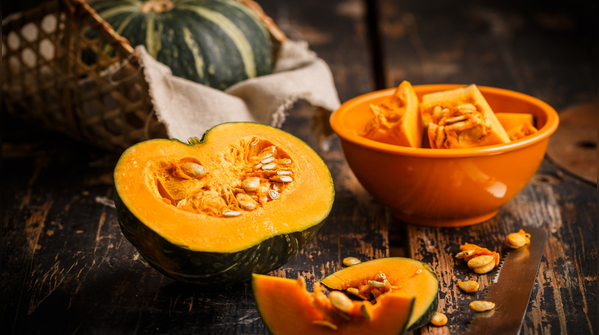
Pumpkin
Pumpkin is an underrated summer vegetable that deserves a place in May cooking. Soft, naturally sweet and easy to digest, it can be used in both savoury and slightly sweet dishes. Its texture turns silky when cooked, making it suitable for simple curries, soups and even roasted preparations.
Unlike heavier vegetables that can feel dense during peak heat, pumpkin tends to sit lightly on the stomach. It absorbs flavours beautifully and works well in meals that need very little oil or elaborate cooking, which makes it especially appealing during long, exhausting summer afternoons.
Pumpkin also pairs well with earthy spices like cumin, mustard and turmeric, which help bring out its warmth without making the dish feel heavy. In a month when many people want softer, easier meals, pumpkin offers comfort without excess.
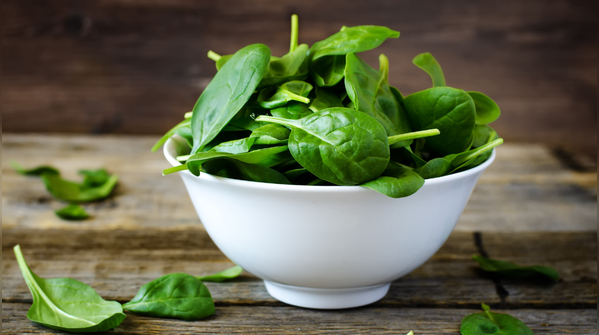
Spinach
While spinach is often associated with cooler weather, it remains a useful green to eat in May, especially when sourced fresh and cooked quickly. It adds colour, iron and a clean, leafy taste to the plate. Since heat can sometimes dull appetite, spinach works well because it is light but still satisfying. It can be folded into dals, sauteed with garlic, stirred into curries or blended into simple gravies. The key is not to overcook it. In May, spinach is best when it stays bright and fresh, bringing a little green lift to heavier daily meals.
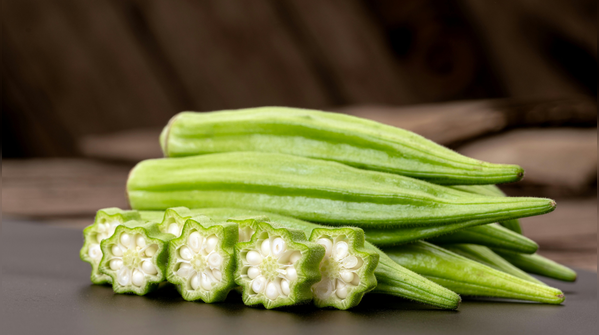
Okra
Okra, or bhindi, comes into season strongly in warmer months and is a May staple in many kitchens. Its appeal lies in its texture: when cooked properly, it becomes crisp at the edges and tender inside. That makes it useful in dry sabzis, stuffed preparations and quick pan-fried dishes. Okra works best when handled with a little care so it does not turn sticky, but once that is managed, it becomes one of the most satisfying vegetables on the table. It is also filling without feeling heavy, which is exactly what many people look for in summer food.
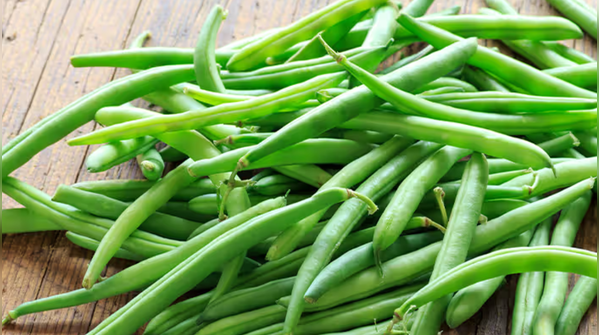
Green beans
Green beans are a practical, everyday vegetable to eat in May because they are light, fresh and quick to cook. They add a pleasant bite to meals and work well in mixed vegetable dishes, stir-fries and simple pulao-style preparations. Their flavour is clean and familiar, which makes them easy to pair with other seasonal vegetables. Green beans also bring a sense of structure to a meal, especially when the rest of the plate is soft or watery. In a hot month, that little bit of crunch can make a big difference.
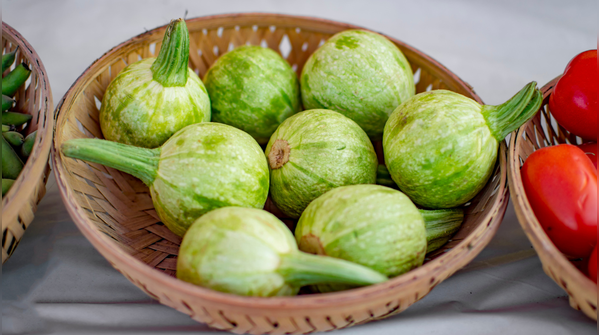
Tinda
Tinda, often called apple gourd, is one of those vegetables that feels made for summer. Small, tender and mild, it cooks fast and absorbs spices beautifully. It is especially common in North Indian home cooking during hot months because it stays light while still delivering enough substance to make a proper meal. Tinda can be cooked with tomatoes, onions or simple masala, and it never tries too hard. That is part of its charm. In May, when the body often wants food that is less complicated, tinda fits the mood perfectly.
Featured In Food

