
5 foods that become surprisingly tasty when slightly burnt
5 foods that become surprisingly tasty when slightly burnt
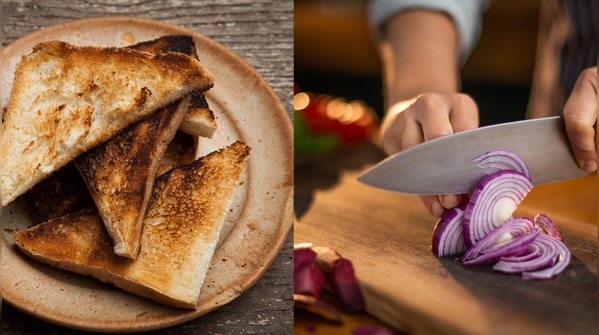
There is a fine line between ruined and remarkable, and in the kitchen, some foods seem to live right on it. A little char can turn ordinary ingredients into something deeper, richer and far more interesting than their softly cooked versions. The key word is slightly. We are not talking about blackened, bitter or smoke-choked food that tastes like a fire alarm. We are talking about the gentle, deliberate kind of burn that adds crackle, sweetness, depth and a whisper of bitterness that actually makes the whole thing better. For many cooks, browning is not a mistake but a secret weapon. Heat coaxes out sugars, tightens textures and builds flavour in a way gentle cooking often cannot. Some foods, in particular, seem to come alive when they get just enough of a scorch to wake them up. Here are five foods that become surprisingly delicious when they are slightly burnt.
Toast
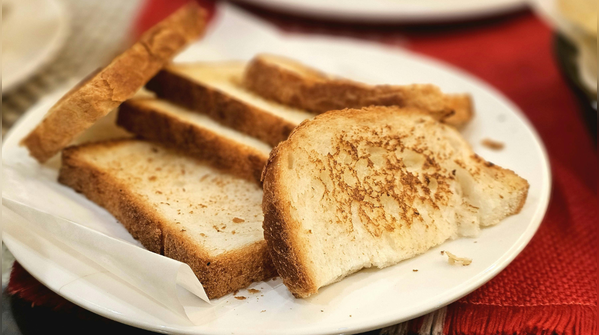
Few foods benefit from a little overzealous heat as much as bread. Toast is proof that a near-burnt edge can be deeply satisfying. When bread crosses from pale gold into a darker brown, its flavour shifts dramatically. The soft, doughy sweetness of bread gives way to something nuttier, sharper and more complex. That slightly dark crust adds contrast to butter, jam, peanut butter or even a simple drizzle of honey.
A good toast should not be pale and apologetic. It should have a confident crunch, a few darker freckles and a faint aroma that makes the whole kitchen feel warmer. People often chase perfect uniform browning, but the best toast usually has a little drama in it. Those nearly burnt corners are often the best bites on the plate.
Marshmallows
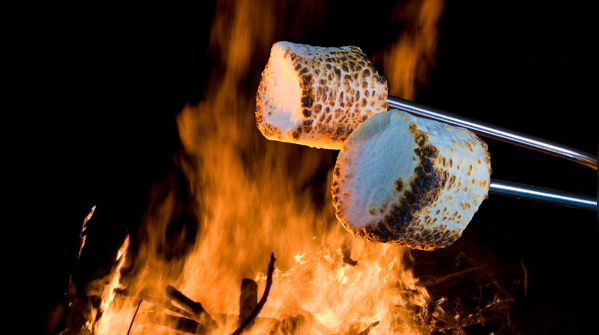
Marshmallows are almost designed to flirt with fire. A plain marshmallow is sweet and soft, but once it gets a little charred, the texture and flavour transform. The outer shell becomes crisp and caramel-like while the inside stays molten and airy. That contrast is exactly what makes roasted marshmallows so beloved around campfires and kitchen torches alike.
The tiniest scorch on the surface adds something that pure sugar alone cannot: a bittersweet edge. It makes the sweetness feel less one-note and more grown-up. A marshmallow taken too far turns into a sticky disaster, but one with a lightly blackened shell can taste almost luxurious. It is sweet, smoky and impossible to eat without waiting for another.
Cheese
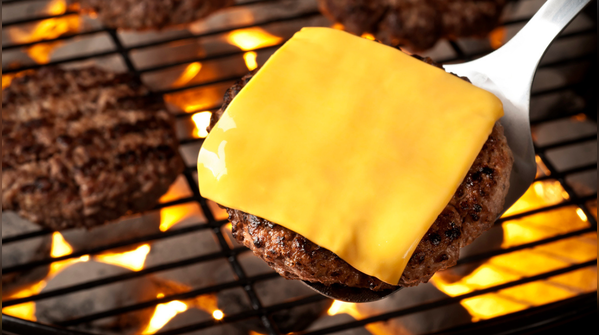
Cheese, especially when melted, becomes something entirely different once the edges begin to brown. A little burn on the rim of a pizza slice, grilled cheese sandwich or baked cheese topping creates the kind of savoury depth that keeps people reaching for more. The browned bits offer salt, crunch and a roasted flavour that soft, gooey cheese alone cannot deliver.
Think of the corners of baked lasagne, the crispy cheese skirt around a quesadilla or the caramelised top of a gratin. Those darker patches are not flaws to be pushed aside. They are often the most addictive part. Slightly burnt cheese develops a toasty, almost nutty note that deepens the whole dish and makes every bite feel more satisfying.
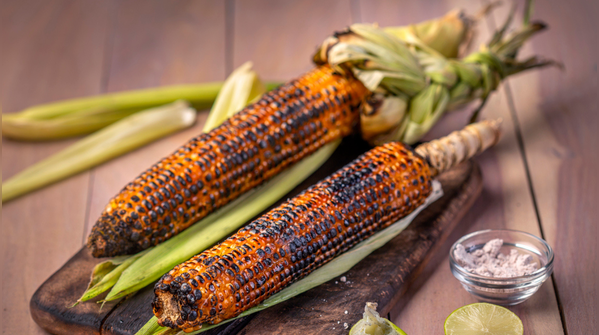
Sweet corn
Sweet corn is one of the best examples of how a little char can sharpen flavour instead of damaging it. On a grill, corn kernels blister and brown in spots, and that light burn brings out their natural sweetness. The kernels develop a smoky edge that contrasts beautifully with their juicy crunch.
Boiled corn is pleasant enough, but grilled or roasted corn has more personality. The char adds a savoury depth that makes the sweetness taste brighter. In many kitchens, this is why corn on the cob is brushed with butter, salt, chilli or lime after grilling. The slight burn acts almost like seasoning, giving the corn a bolder, more layered flavour without needing much else.
Onions
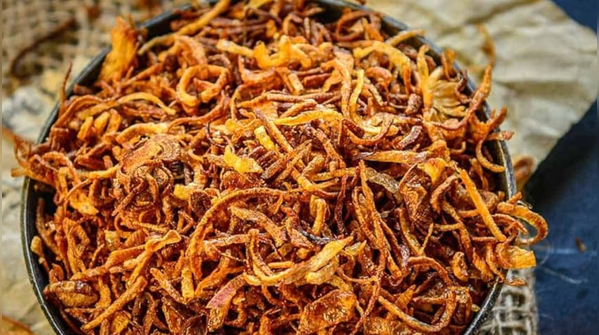
Onions become almost magical when they are allowed to brown properly. At first they soften, then sweeten, and if the heat is right, they can pick up those dark, sticky edges that make them taste fuller and more aromatic. Slightly burnt onions are not the same as charred onions in a bad way. They are richer, deeper and more savoury.
That browning matters because onions have a lot of natural sugar, and heat turns that sugar into a more intense, almost jammy flavour. The darker bits bring complexity to burgers, curries, dals, stews and sandwiches. Without that hint of burn, onions can taste flat. With it, they taste as though they have spent time becoming themselves.
Featured In Food

