
6 healthy leaves you should add to your daily diet

6 healthy leaves you should add to your daily diet
In the rush of modern eating, leaves rarely get the attention they deserve. They sit quietly at the edge of the plate, often treated as garnish or an afterthought, when in reality they can be some of the most nutrient-dense foods in the kitchen. Leafy greens bring fibre, vitamins, minerals and plant compounds that support everything from digestion to immunity, and the best part is that many of them are easy to fold into meals you already eat. The trick is not to chase one miracle green but to build variety. Different leaves bring different strengths, which means your diet benefits more when you rotate them rather than relying on just one. Here are six healthy leaves worth making part of your regular routine.
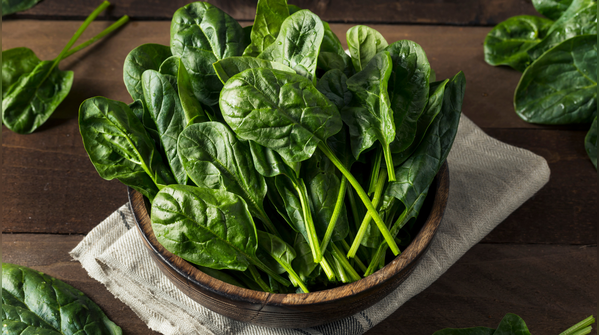
Spinach
Spinach is one of the most versatile greens you can buy. Mild in flavour and quick to cook, it slips easily into dal, soups, omelettes, pasta, sandwiches and smoothies without dominating the dish. It is rich in folate, iron, vitamin K and antioxidants, which makes it a dependable everyday leaf rather than a rare superfood.
What makes spinach especially useful is its flexibility. You can eat it raw in salads, wilt it into a curry or stir it into a pan at the last minute. It does not ask for much, and it gives back a great deal.
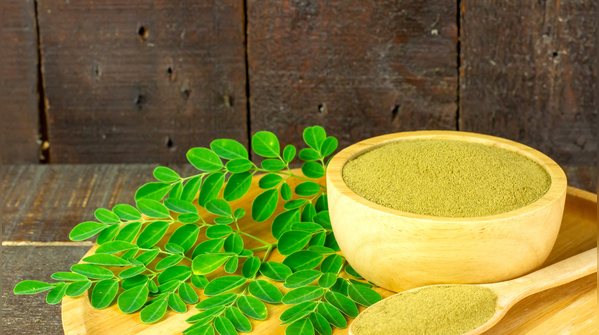
Moringa leaves
Moringa leaves have earned their reputation for good reason. Long used in traditional kitchens, they are packed with plant nutrients and have a deeper, earthier flavour than spinach. In many homes, they are cooked into dals, stir-fries or soups, where they lend both substance and nutrition.
Moringa leaves are especially valued for their dense nutrient profile, and they are one of the easiest ways to make a simple meal feel more complete. If fresh leaves are not available, dried moringa leaf powder can also be stirred into chutneys, batter or broth.
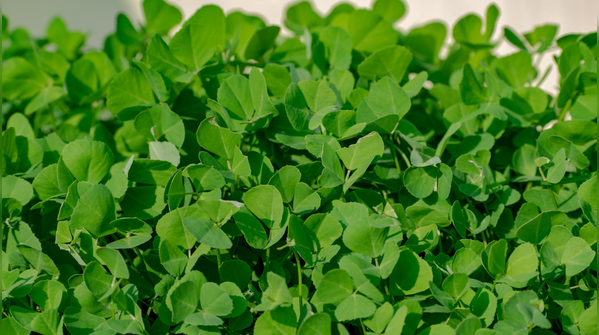
Fenugreek leaves
Fenugreek leaves, or methi, bring a slightly bitter edge that wakes up a dish. They are commonly used in Indian cooking, from methi paratha to sabzi and paneer dishes, and they pair well with potatoes, lentils and yoghurt-based recipes.
That mild bitterness is part of the appeal. Fenugreek leaves can help balance rich foods, making a meal feel lighter and more layered. They are a strong example of how healthy eating does not have to taste flat or forced.
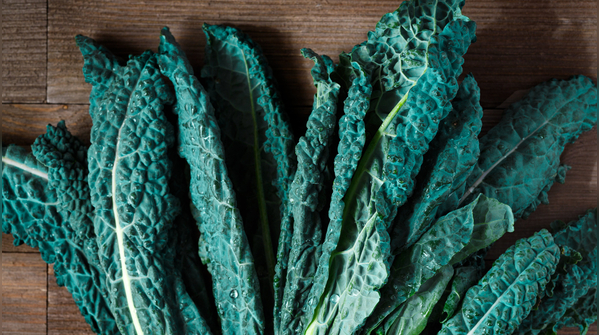
Kale
Kale may have become a global wellness favourite, but its appeal goes beyond trend. It has a firm texture, a slightly earthy flavour and enough body to hold up in sautés, soups and salads. It is rich in vitamin C, vitamin K and fibre, and it works well when you want a green that feels substantial rather than delicate.
Raw kale benefits from a little massage with oil or lemon, which softens the leaves and makes them easier to eat. Cooked kale, meanwhile, becomes tender and deeply savoury. Either way, it is a leaf that rewards a bit of attention.
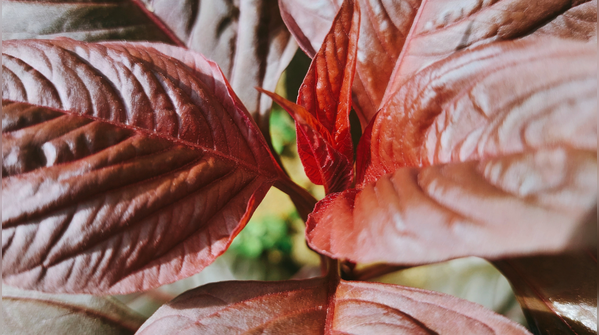
Amaranth leaves
Amaranth leaves are one of the most underrated greens in the everyday kitchen. In many parts of India, they are cooked as saag or added to simple stir-fries and dals. Their flavour is mild, their texture cooks down beautifully and they are easy to pair with garlic, cumin and onions.
They are also practical. Amaranth leaves are affordable in many local markets and can be used in quick home-style meals without much preparation. When you need a green that works hard in the background, this is one of the best options.
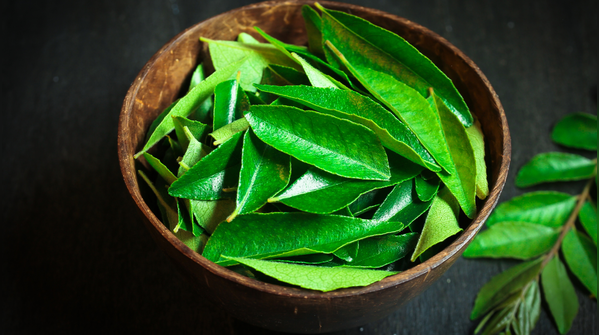
Curry leaves
Curry leaves are usually treated as a seasoning, but they deserve a place in the conversation about healthy leaves. Added to tempering, they release a distinct aroma and flavour that can transform even the simplest dish. Beyond taste, they are traditionally valued in Indian cooking for the depth they bring to meals.
They are not eaten in large quantities the way spinach or kale might be, but they matter. A handful of curry leaves in a hot pan with mustard seeds, oil and garlic can turn plain lentils or vegetables into something far more memorable.

The real benefit of eating more leaves
The healthiest habit is not perfection; it is repetition. Adding leaves to your diet does not have to mean elaborate salads or expensive powders. It can be as simple as tossing spinach into eggs, finishing dal with curry leaves or making methi part of your weekly rotation. A bowl of greens will not solve everything, but over time, those small additions stack up. And in a food culture full of extremes, that is often where the real nutrition lives.
Featured In Food

