
7 foods one should not eat together
7 foods one should not eat together
Food is rarely just about hunger. It is about comfort, habit, culture, and the quiet rituals that shape everyday life. But sometimes the combinations we casually place on the same plate can be harder on the body than we realise. Across both traditional wisdom and modern nutrition science, certain food pairings are believed to slow digestion, create bloating, or interfere with nutrient absorption. This does not mean these foods are unhealthy on their own. Most of them are nutritious and widely enjoyed. The problem arises when their digestive timelines or chemical properties clash, forcing the body to work harder than necessary. Understanding a few of these mismatches can make meals feel lighter and digestion smoother. Here are 7 foods one should avoid eating together.
Fruit with meals
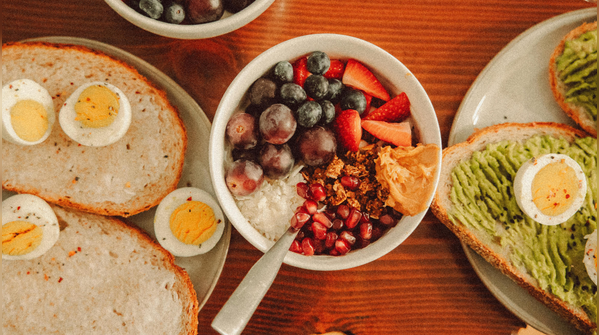
Fruit is often considered the most harmless addition to a meal. Yet digestion science suggests it is best eaten on its own.
Most fruits digest quickly because they contain simple sugars and high water content. When eaten after or alongside heavier foods such as grains, dairy, or meat, fruit can end up sitting in the stomach longer than it should. As it waits for slower foods to break down, it may begin to ferment, leading to gas, bloating, or acidity. That is why many nutritionists recommend eating fruit either on an empty stomach or at least 30–40 minutes before a meal.
Milk with salty or savoury foods
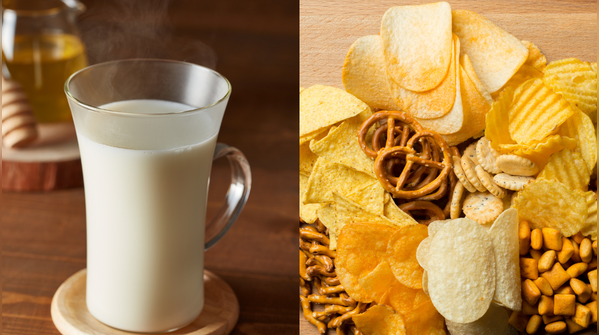
Milk may feel like a gentle, comforting drink, but pairing it with salty or savoury foods is not always ideal.
Traditional dietary systems like Ayurveda caution against combining milk with foods that are sour, salty, or fermented. The concern is that these combinations may disturb digestion and lead to heaviness or discomfort. For instance, drinking milk alongside salty snacks, spicy curries, or pickles can sometimes cause bloating. Milk is best consumed on its own or with mild, compatible foods such as dates, almonds, or whole grains.
Tea with iron-rich foods
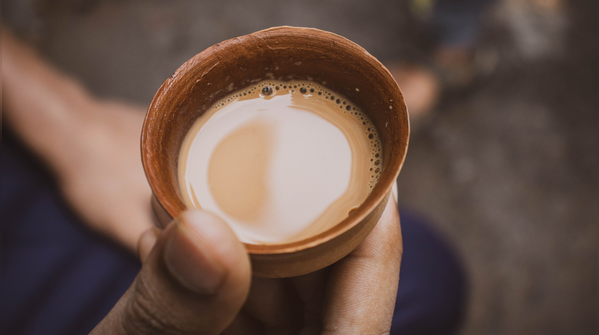
A cup of tea after a meal is a familiar ritual in many households. But nutritionally, it may not be the best timing.
Tea contains compounds called tannins, which can bind with iron found in foods such as spinach, lentils, beans, and certain vegetables. This binding can reduce how much iron the body absorbs. For people who rely on plant-based iron sources, drinking tea immediately after meals may slowly contribute to lower iron levels over time. Waiting about an hour before having tea allows the body to absorb more of the nutrients from the meal.
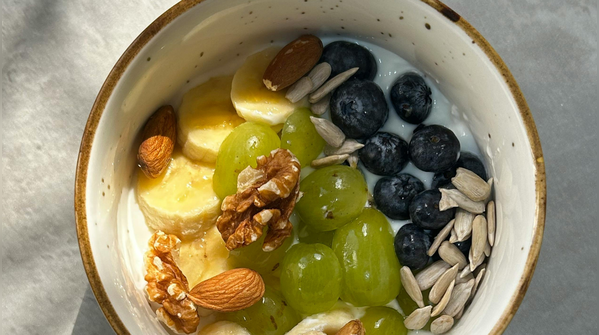
Yogurt with fruit
Fruit yogurt may appear healthy and refreshing, but the pairing is not always easy for digestion.
Yogurt contains beneficial bacteria and proteins that digest relatively slowly. Fruits, on the other hand, break down quickly due to their natural sugar and juicy flavour. When eaten together, the mismatch in digestion speed may sometimes create acidity or fermentation in sensitive stomachs. This is particularly true for very sour fruits such as oranges or pineapples. If you enjoy yogurt with fruit, pairing it with milder fruits like berries or ripe mangoes tends to be easier on the stomach.
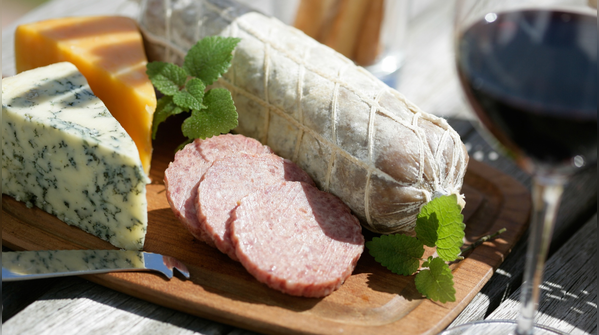
Meat with dairy
Rich protein foods can become especially heavy when combined.
Both meat and dairy require significant digestive effort because of their protein and fat content. When eaten together, such as creamy meat curries or dishes combining cheese and meat, the stomach may take longer to process the meal.
For some people this can lead to sluggish digestion or discomfort after eating. Separating these protein-heavy foods into different meals often allows the digestive system to work more efficiently.
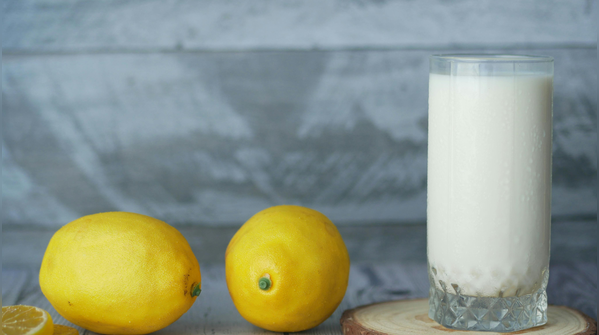
Lemon with milk
This is one of the most widely known food clashes. Lemon is highly acidic, while milk contains proteins that curdle when exposed to strong acids. When the two mix in the stomach, the milk may coagulate more quickly, which some people find difficult to digest.
This is why many traditional guidelines advise avoiding milk soon after consuming citrus fruits or sour foods. Leaving a gap of at least an hour between the two can help prevent discomfort.
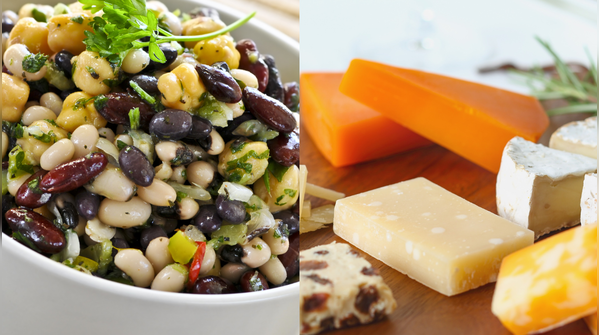
Beans with cheese
Beans and legumes are nutritious powerhouses packed with fibre, protein, and minerals. Cheese brings calcium and flavour. Yet together, they can sometimes create digestive trouble.
Beans already contain complex carbohydrates that take time to break down and may cause gas during digestion. Adding cheese, which is dense in fat and protein, can make the combination even heavier for the stomach to process. While the pairing is popular in many cuisines for their flavour, people with sensitive digestion may feel better consuming them separately or in smaller portions.
Featured In Food

MORE FROM ETIMES
life & style