
7 foods you should never eat without soaking and why
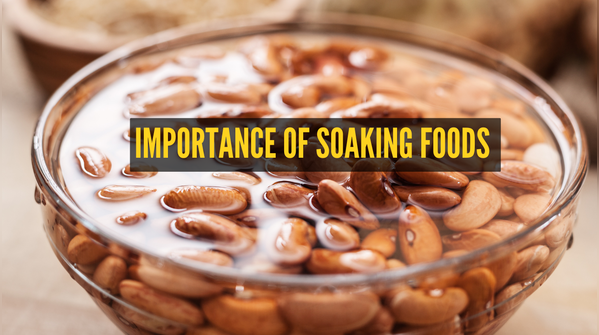
Importance of soaking
When we talk about traditional food preparation techniques, soaking is one of the important techniques, which is said to have practical and medicinal benefits too. Traditionally, woodfire or coal was used for cooking, and soaking ingredients helped in reducing cooking time and at the same time, soaking made many foods easy to digest. In present time, modern nutrition science also states that soaking plays an important role in improving the nutritional value and digestibility of many foods. Soaking is proven to reduce or control natural compounds known as anti-nutrients, such as phytic acid, tannins, and enzyme inhibitors, which are said to hinder digestion and nutrient absorption. The technique of soaking softens the food and activates beneficial enzymes, making it easier for the body to process them. Here we have listed seven common foods one should never eat without soaking and why.
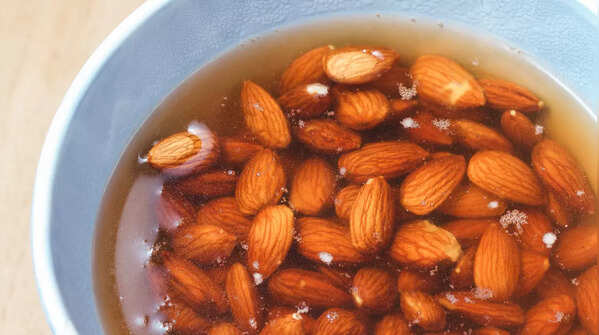
Almonds
Soaking time: 6-8 hours
This is one of the most famous nuts, which is rich in healthy fats, protein, vitamin E, and antioxidants. According to experts, the outer skin of this nut contains tannins, which can inhibit the absorption of certain nutrients. Hence, soaking almonds overnight is suggested. The process of soaking softens the skin, and one can easily peel it off. This helps improve nutrient absorption and makes the almonds easier to digest.

Chickpea
Soaking time: 8-10 hours
It is a variety of legume, which is widely used in main course Indian dishes and snacks. According to studies, dry chickpeas contain phytic acid, which can interfere with the absorption of minerals like iron, zinc, and calcium. Hence, it is always suggested to soak them overnight and then cook. Soaking helps reduce the amount of phytic acid present, and improves digestibility. Chickpeas are rich in dietary fiber, which help improve gut health, prevent constipation and also support healthy digestion. They also have a low glycaemic index, which means they release sugar slowly and help maintain stable blood sugar levels.
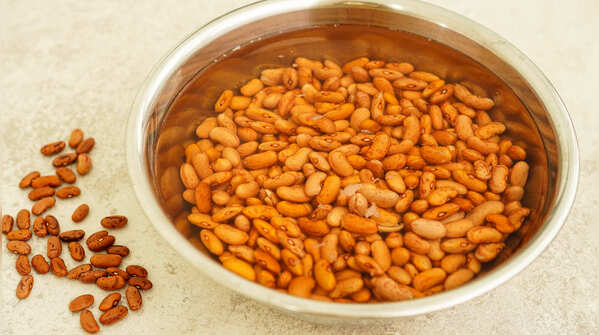
Rajma
Soaking time: 8-10 hours
These beans are also rich in protein, fibre, and essential nutrients, but they must always be soaked and cooked properly before consumption. Raw beans contain a compound called lectin, which is said to cause many digestive issues. Soaking them helps reduce the lectin content and prepares the beans for thorough cooking and also aids in easy digestion of the beans. These beans
are rich in fiber, potassium, and antioxidants which help lower bad cholesterol (LDL) and maintain healthy blood pressure levels.
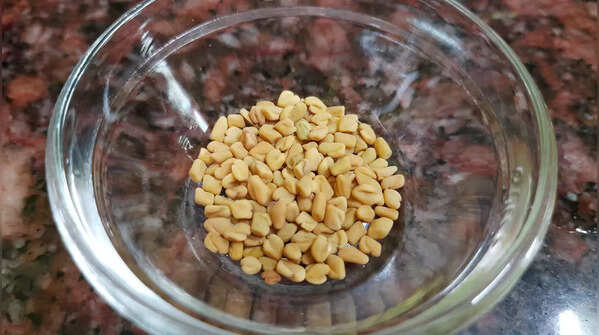
Fenugreek Seeds
Soaking time: 6-8 hours
These seeds are commonly used for tempering and are known for supporting digestion, improving metabolism, and helping regulate blood sugar levels. They are very hard and have a bitter taste when eaten raw. Soaking softens them and reduces their bitterness. It is also said that the soaked ones help release beneficial compounds that support digestion and overall health.
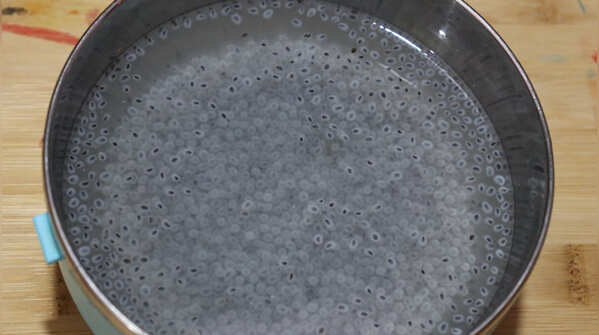
Basil Seeds
Soaking time: 10-15 minutes
Also known as sabja seeds, they are commonly used during summer months for drinks and desserts. When they are soaked, they form a gel-like coating that makes them soft and easy to consume. Also, it is said that eating them dry makes them difficult to swallow and digest. Soaking also enhances their cooling and hydrating properties. Basil seeds slow down the conversion of carbohydrates into glucose. And they also contain omega-3 fatty acids and fibre that help lower bad cholesterol (LDL) and support overall heart health.

Chia Seeds
Soaking time: 10-20 minutes
They are known as a superfood, which is rich in high fibre, omega-3 fatty acids, protein, and antioxidants. Like basil, they also absorb a lot of water and develop a gel-like texture. Soaking makes them easy to digest and aids in better absorption of nutrients.

Soybeans
Soaking time: 10-15 minutes
These are known as plant-based sources of protein and are used to make food items like tofu, soy milk, and soy nuggets. Raw beans are said to contain enzyme inhibitors and anti-nutrients that can interfere with protein digestion. Hence, it is always important to soak them in warm water to soften them before consumption. This also improves their digestibility.
Images Courtesy: istock
Featured In Food

MORE FROM ETIMES
life & style