
9 mangoes that are not grown in India and what makes them unique
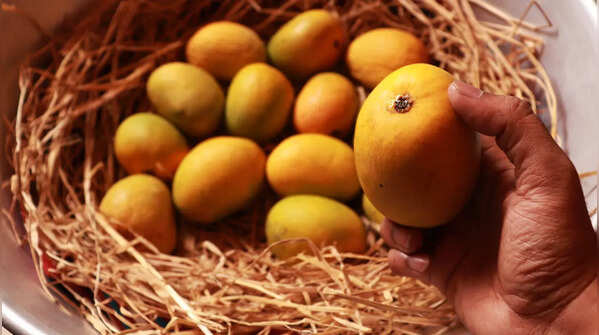
What makes these mangoes so unique ?
Mango, also known as the 'King of fruits,' is known for its hues, aroma, and many varieties. India, as the land of nearly 1,500 mango varieties, is also known for some of the most distinct varieties that are exported around the world. However, many varieties are not native to India but have a global market. Take a look at nine such mangoes that are not grown in India and what makes them unique.
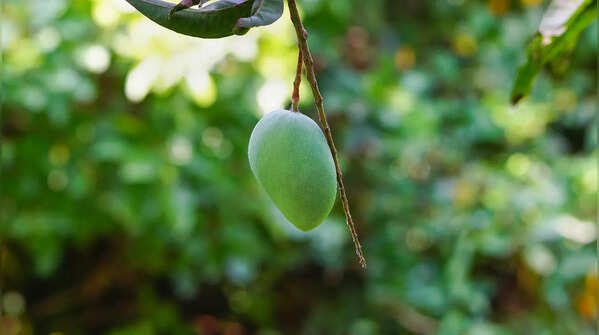
Irwin Mango (Japan)
This mango is grown extensively in regions such as Okinawa and Miyazaki, and is often treated as a luxury gifting option during the season. In Japan, this mango variety is often marketed as premium "Miyazaki Mangoes" too. It has a deep crimson-red skin, with exceptional sweetness that is best enjoyed as a salad or shake. Its sugar content is often high, while its mild floral notes and tropical fragrance contribute to its premium reputation in the global market.
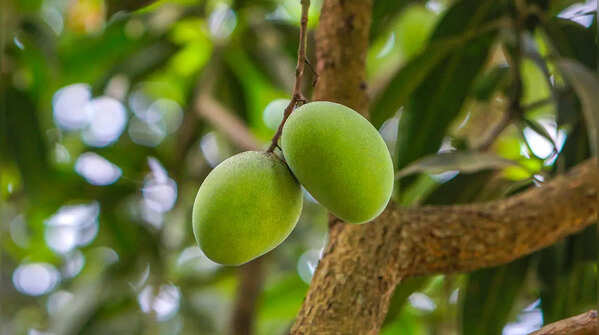
Ataulfo Mango (Mexico)
Also known as the 'Honey Mango' or 'Champagne Mango,' it is Mexico's most exported mango, featuring vibrant golden-yellow skin and a notably thin seed. It is known for its unique creamy, buttery texture and intensely sweet flavour with hints of honey and vanilla.
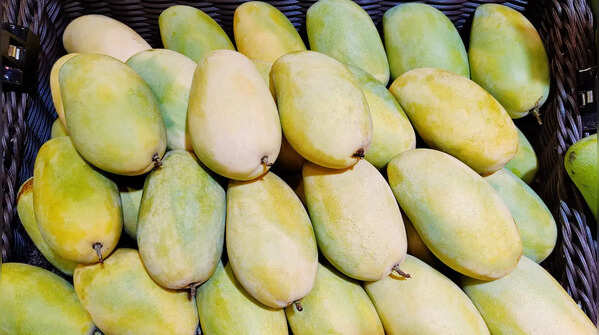
Carabao Mango (Philippines)
This mango is also known as the Philippine mango or Manila mango, and is popular for its exceptional sweetness. It has bright yellow flesh and is fibre-free. It is known for its unique taste that works well in jam, dried fruit products, and desserts.
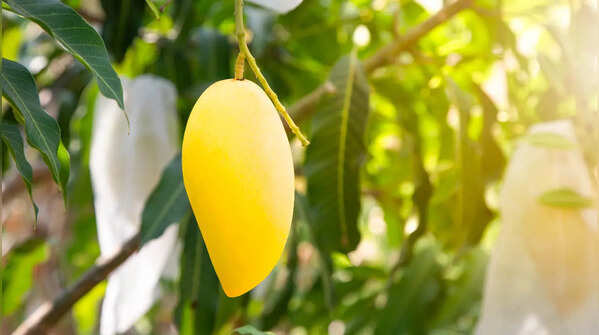
Nam Dok Mai (Thailand)
This is Thailand's most famous mango which translates roughly to "flower nectar." This elongated mango has smooth golden skin and silky flesh with very little fibre and is mostly used to pair with sticky rice in Thailand's iconic mango sticky rice dessert.
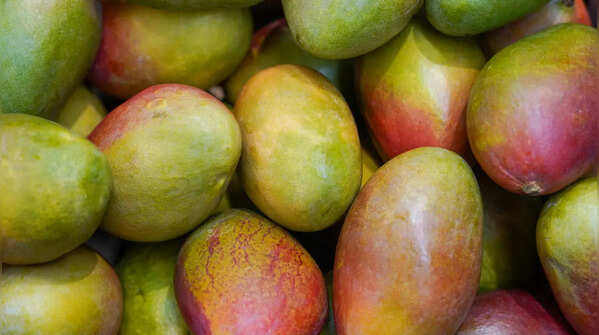
Kensington Pride (Australia)
This mango is very much synonymous with Australia's summer season and is known for its golden-yellow skin with red and orange blushes. It is known for its complex flavour profile with notes of tropical fruit, citrus, and spice.
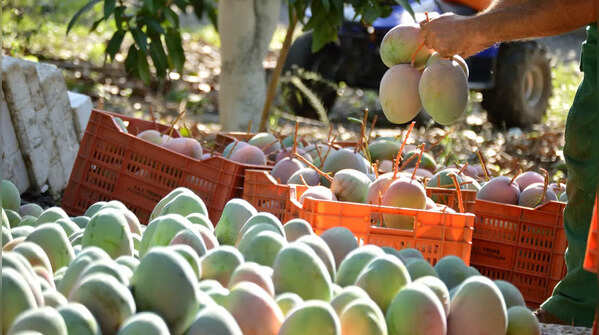
Kent Mango (Peru, Ecuador and Mexico)
This variety is highly valued in international markets because of its smooth texture and low fibre content. It has a rich sweetness accompanied by subtle tropical notes and is best consumed in the form of smoothies, fruit salads, and other mango-based snack products.
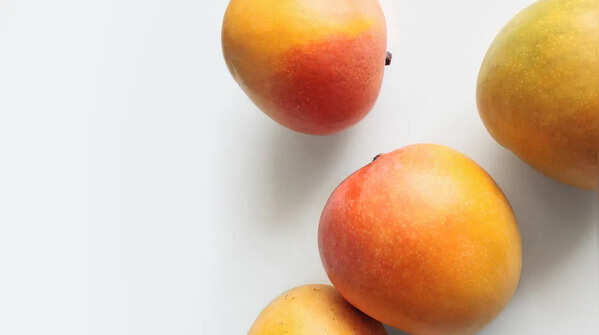
R2E2 Mango (Australia)
This is also a famous mango of Australia and is said to be the largest commercial mango variety in the world. It is famous for its weight and according to reports, an individual fruit can weigh over one kilogram and features striking red-orange skin. It has a long shelf life, attractive appearance, firm flesh, is less fibrous, and is mildly sweet.
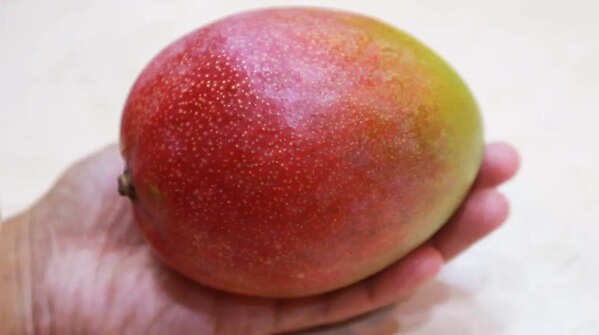
Haden Mango (United States)
This variety of mango is often regarded as the foundation of Florida's modern mango industry and according to food historians, it was developed in the early twentieth century, and later became the parent variety for many commercial mango varieties. It is characterised by its bright red and yellow skin, and offers a pleasant balance of sweetness and acidity.
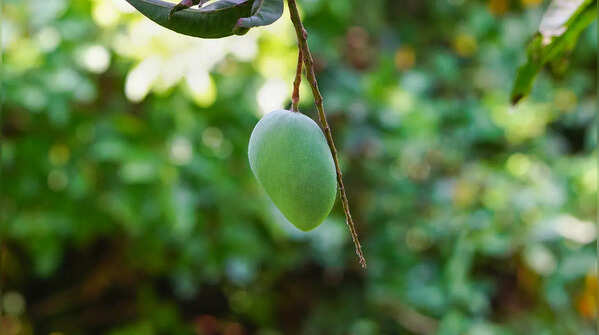
Keitt Mango (United States and Mexico)
It is one of the most distinctive mangoes, remaining green even when fully ripe. It is large, juicy, and almost fibre-free, possessing a sweet, refreshing flavour and an extended harvesting season, making it one of the last mangoes available each year. It is best consumed fresh, in salads, juices, and desserts.
Images Courtesy: istock
Featured In Food

MORE FROM ETIMES
life & style