
Fake Desi Ghee in the market? How to check the purity of Ghee at home
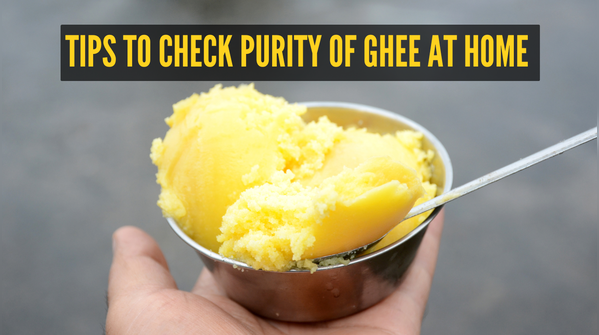
Benefits of ghee and things to keep in mind while buying ghee
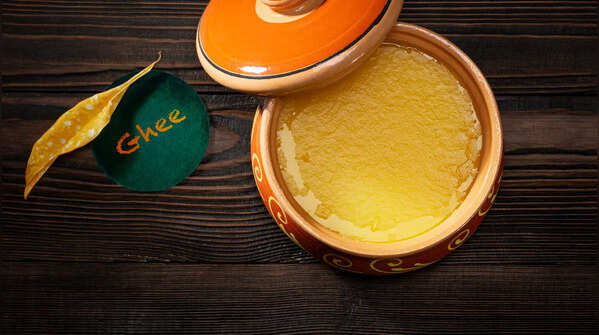
Ghee is a staple in Indian kitchens. From tadka to garnish, it is used in many ways. When it comes to desserts and sweets, it is an integral part of the dishes, helping attain the texture, shape, and taste too. Packed with healthy fats, fat-soluble vitamins like A, D, E, and K, and compounds such as butyric acid, ghee supports digestion, boosts immunity, and provides sustained energy. It is also known to enhance the absorption of nutrients from other foods. Sadly, the market is now flooded with adulterated ghee, where cheaper oils, vanaspati, or animal fats are mixed to increase quantity and profit margins. Such adulteration not only compromises taste and aroma but can also pose health risks. Therefore, it becomes essential to source ghee from trusted brands or use smart tricks and tips to check its purity before consuming it. FSSAI keeps sharing such tips and in a recent post on X, they shared the sugar and hyaluronic acid test that one can use at home. Scroll down to read the details.
How to check purity of ghee
While adulteration of ghee and other edible items has become quite common, it is important for people to take extra care when buying food. Here are a few tips and tricks one can follow when buying ghee to identify fake ghee.

Appearance and texture
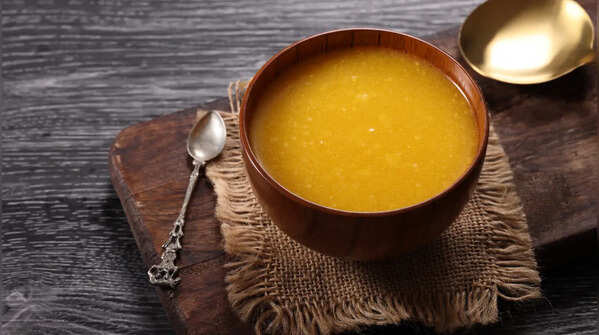
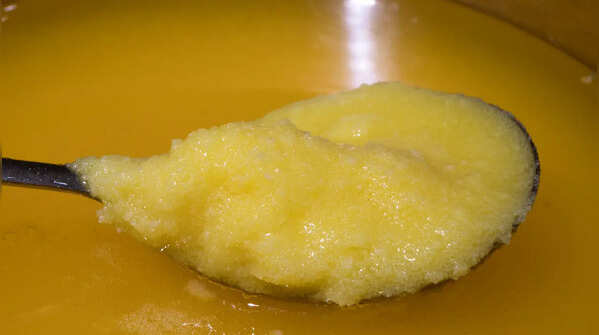
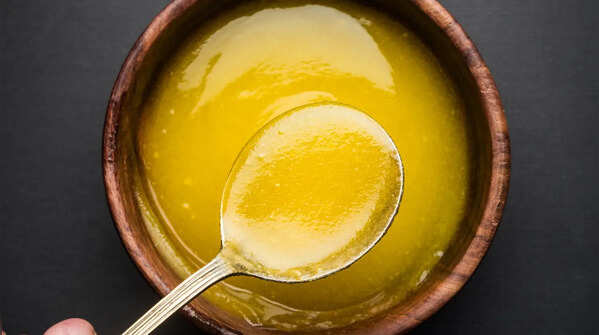
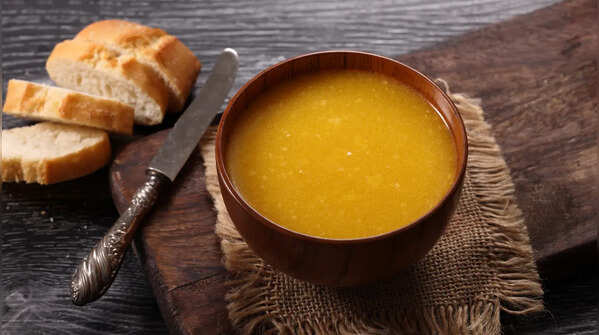
Traditionally, ghee in its purest form has a golden color, rich and creamy texture. When held against light it should appear translucent and clear. The pale color of ghee could indicate preservatives, and one should avoid it.
Packaging and label
It is important to pay special attention to the packaging and label of ghee products. A genuine ghee brand will have all major certificates of regulation compliance on it. The license number, date of packaging, and expiry should be thoroughly checked before buying ghee.

Aroma and flavor
Naturally, ghee has a nutty flavor and a smooth consistency. The ghee should never smell burnt as it has a high heating point. The burnt smell could be due to the presence of water or additives. Hence, such ghee should be avoided at all costs.
Purity Tests to Follow
While one can judge the ghee using the above-mentioned criteria before buying it, there are also other ways to ensure that the ghee you are consuming is beneficial.
Palm test
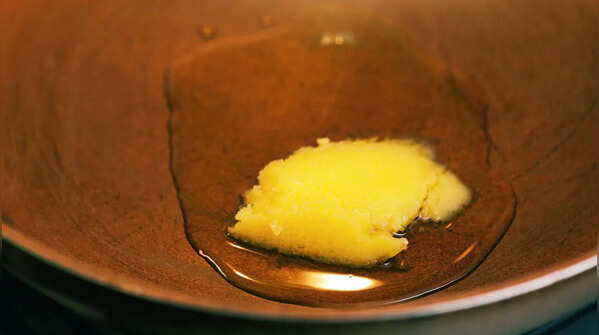
Simply, pour frozen ghee on your palm and if it starts melting instantly, the ghee is pure. Otherwise, it is not pure, and such ghee should be avoided.
Water test
Fill a glass with normal water at room temperature, add ghee to it. If the ghee floats it is unadulterated and if it sinks, the ghee is infused with foreign material.
Sugar and Hyaluronic Acid Test
Take 1 ml of melted ghee in a test tube, add 1 ml of concentrated hydrochloric acid and half a teaspoon of sugar. Shake the mixture vigorously for about 2 minutes. Allow the mixture to settle and separate into layers. Pure ghee will have no colour change, while adulterated ghee with vanaspati or hydrogenated fat will makr the ghee turn crimson red or pink

Iodine Test
Add two drops of iodine solution to ghee. If it turns purple, the ghee has a presence of starch in it.
Images Courtesy: istock
Featured In Food

