
Fake turmeric powder in the market? How to check the purity of turmeric powder at home and 5 ways to consume it

Importance of turmeric and why to avoid fake one
When it comes to spices, turmeric powder is one of the most commonly used spices after salt and pepper. From Ayurveda to medical science, turmeric is known for its medicinal properties that help shape the human body in many ways. Also known as Golden Spice, it is packed with powerful antioxidants and anti-inflammatory properties, mainly due to its active compound, curcumin. According to a study, curcumin found in turmeric helps reduce inflammation and oxidative stress in the body by decreasing pro-inflammatory cytokines and improving antioxidant enzyme activities. It also helps improve lipid profiles and inflammation, which may reduce the risk of heart disease. The study states that the anti-inflammatory properties of curcumin help alleviate symptoms of arthritis and joint stiffness. However, the problem is the increasing rate of adulterated turmeric powder circulating in the market. Here's why it is a major problem that needs attention and how you can do the purity check at home.
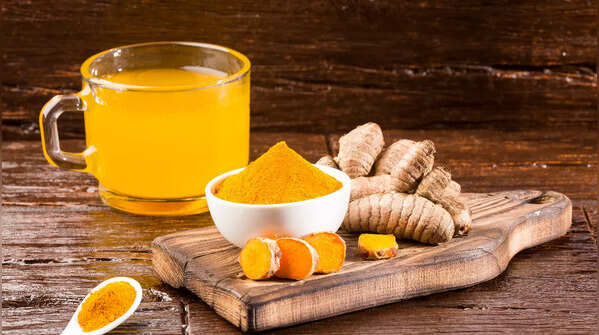
Common adulterants added to turmeric
Metanil Yellow: It is a toxic dye which gives a deep yellow colour and may damage the liver and nerves.
Sudan Red: It is also a toxic dye linked to cancer, and is not meant for consumption
Lead Chromate: Lead in turmeric can cause severe brain and developmental damage.

Side effects of adulterated turmeric powder
Adulterated turmeric is likely to affect your health in many ways. It can cause nausea, vomiting, stomach issues, kidney or liver damage, lower immunity, neurological problems, and risk of lead poisoning in children.

Benefits of turmeric
According to a study, curcumin found in turmeric helps reduce inflammation and oxidative stress in the body by decreasing pro-inflammatory cytokines and improving antioxidant enzyme activities. It also helps improve lipid profiles and inflammation, which may reduce the risk of heart disease. The study states that the anti-inflammatory properties of curcumin helps alleviate symptoms of arthritis and joint stiffness.

What does the study say about adulteration of turmeric
According to a study by the National Library of Medicine, yellow turmeric is adulterated with Sudan Red, which is associated with several potential health risks, primarily due to its carcinogenic and mutagenic properties. It can cause liver and urinary bladder tumors in mammals and is considered potential mutagens and carcinogens for humans. The study also mentions that Metanil Yellow is used for adulteration. It also states that these dyes reduce the nutritional value of turmeric and pose cancer risks and other long-term health hazards like liver damage. According to an animal study conducted in January 1993 by the journal Food Chemistry and Toxicology, there is a link between long-term consumption of metanil yellow and the levels of serotonin, dopamine and noradrenaline in parts of the brain. It reduces the brain's ability to learn and grasp things. It is also highlighted through research that the use of lead chromate in turmeric is unsafe. It can result in neurological damage, developmental delays in children, anemia, kidney damage, abdominal pain, and paralysis.

5 ways to check turmeric purity at home: Water test
According to the FSSAI social media initiative called #DetectingFoodAdulterants, all you need to do is, take a glass of water. Add a small quantity of turmeric powder to the water. The unadulterated sample turns light yellow and the turmeric settles down at the bottom. The colour of the solution with adulterated turmeric changes to strong yellow. This test is used to check for metanil yellow adulteration.

Acid test
For this test, add a pinch of turmeric powder to a glass of water. Then add a few drops of lemon juice or vinegar. If you hear a fizzing sound or bubbles, it may be adulterated with chalk powder.
Alcohol test
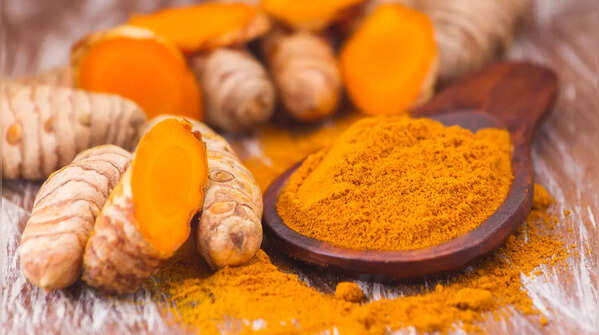
Mix a small portion of turmeric powder in alcohol. Pure turmeric will not dissolve fully and leaves a natural residue. And if it dissolves completely and gives a bright, unnatural color, it may have added chemicals/dyes.

Burn test
In this test, you burn a pinch of turmeric on a spoon. If you notice a crackling sound and smell like burnt sugar, it indicates starch (like rice powder) has been mixed.

Hydrochloric acid test
This test is used for checking lead chromate. Mix a small portion of turmeric with a few drops of dilute HCl. If it turns pink or red, it indicates the presence of lead-based adulterants. As per experts, the use of HCI should be done in the presence of an expert and one must use safety gloves while using it.

How to add turmeric in daily meals
Golden Milk: Also known as turmeric latte, it can be easily made at home. To make it, you need to mix ½ tsp turmeric with warm milk, add a pinch of black pepper, and a little honey. Drink it in the morning or before bed.
Curries and Gravies: Another way of enjoying turmeric is by adding ½–1 tsp turmeric powder while cooking dals, vegetable curries, or meat dishes. It not only enhances the colour but also improves the taste and nutritional value of the dish.
Turmeric Rice: One can also stir a pinch of turmeric into rice while boiling. This works for plain rice, pulao, or khichdi.
Smoothies and Juices: One can also add a small pinch of turmeric powder or fresh turmeric to fruit or vegetable smoothies. It adds a pop of colour and boosts the immune system.
Salad Dressings or Dips: For this, simply mix turmeric powder into dressings, hummus, yogurt dips, or tahini sauces and add to salads to enhance the taste and nutrition.
Images Courtesy: istock
Featured In Food

