Trending
Fenugreek seeds vs fenugreek leaves: Which one is healthier
Fenugreek, used in Indian cuisine, offers health benefits. Seeds help control blood sugar and improve digestion, while leaves contain more vitamins and minerals. Both forms can be added to your diet for numerous health benefits.

How to make Methi Machi
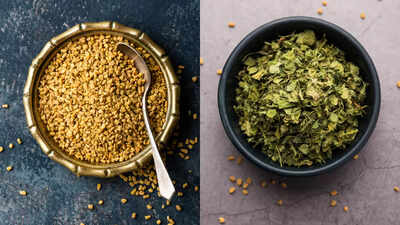
What are fenugreek seeds?
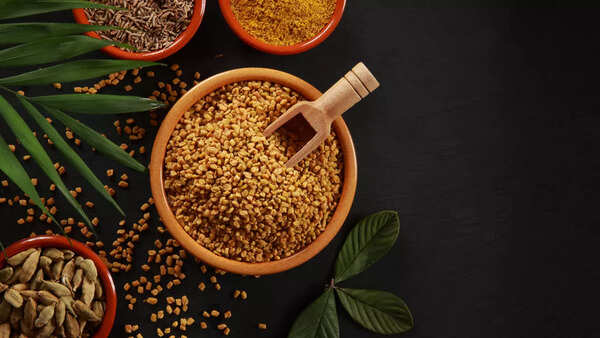
Fenugreek seeds are small, hard, and yellowish-brown in color. They come from the fenugreek plant (Trigonella foenum-graecum), which is an annual herb native to the Mediterranean region, southern Europe, and western Asia.
Also Read: 12 benefits of eating fenugreek leaves in this weather
Nutritional benefits of fenugreek seeds
Rich in Fiber: Fenugreek seeds are high in soluble fiber, which aids in digestion and helps control blood sugar levels.
Protein: They are a good source of plant-based protein.
Vitamins and Minerals: They contain vitamins like vitamin B6, thiamin, folic acid, riboflavin, niacin, and minerals such as iron, magnesium, and manganese.
Antioxidants: Seeds are rich in antioxidants that help combat oxidative stress.
What are the health benefits of fenugreek seeds
Blood Sugar Control: The fiber content in fenugreek seeds can help manage diabetes by regulating blood sugar levels.
Digestive Health: They promote healthy digestion and can help alleviate constipation and digestive issues.
Cholesterol Management: Fenugreek seeds can help lower LDL (bad) cholesterol levels.
Anti-Inflammatory: They possess anti-inflammatory properties, which can help with conditions like arthritis.
Lactation: Fenugreek seeds are often used to enhance milk production in breastfeeding mothers.
Hormonal Balance: Fenugreek seeds can help balance hormones, which may be beneficial for conditions like polycystic ovary syndrome (PCOS) and for alleviating symptoms of menopause.
Also Read:This is what happens when you consume Methi daily
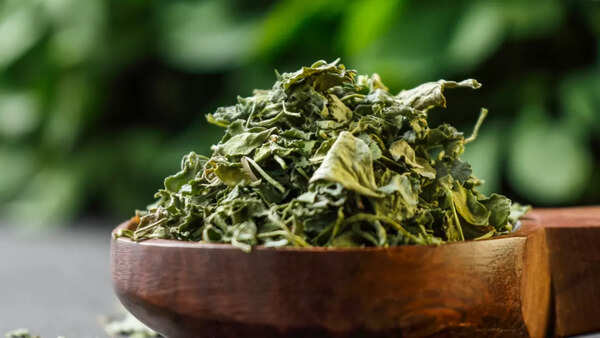
What are fenugreek leaves?
Fenugreek leaves, also known as "methi" in Hindi, come from the fenugreek plant (Trigonella foenum-graecum), which is an annual herb native to the Mediterranean region, southern Europe, and western Asia. These leaves are small, green, and consist of three leaflets and they have a slightly bitter taste with a soothing aroma.
Nutritional benefits of fenugreek leaves
Low in Calories: Fenugreek leaves are low in calories, making them a great addition to a weight management diet.
Rich in Vitamins and Minerals: They are an excellent source of vitamin K, vitamin C, vitamin A, folate, and iron.
High in Fiber: Similar to the seeds, fenugreek leaves are also high in dietary fiber.
Phytonutrients: They contain beneficial phytonutrients like flavonoids and alkaloids.
Also Read: Interesting ways to use fenugreek leaves and seeds
What are the health benefits of fenugreek leaves
Anemia Prevention: The high iron content in fenugreek leaves helps prevent anemia.
Bone Health: Vitamin K in the leaves is essential for bone health.
Digestive Aid: The fiber in the leaves promotes healthy digestion and can help prevent constipation.
Antioxidant Properties: Leaves contain antioxidants that help protect the body from free radicals.
Immune Support: Vitamins A and C in the leaves support immune function and skin health.
How to use the seeds and leaves to gain maximum benefits
Fenugreek seeds can be used in spice blends, teas, and as a supplement, while fenugreek leaves can be added to curries, soups, and salads to get maximum benefits.
Fenugreek leaves are more nutritious than seeds, offering higher levels of vitamins A, C, and K, along with essential minerals like calcium and iron. While seeds are rich in fiber and antioxidants, the leaves provide a broader range of nutrients, making them more beneficial for overall health.
Final words
As per experts, fenugreek seeds make for a healthier choice to control blood sugar levels, due to their higher soluble fiber content. But as far as overall nutrient density is concerned, fenugreek leaves offer a broader range of vitamins and minerals with fewer calories, making them excellent for a balanced diet. It is also said that incorporating both fenugreek seeds and leaves into your diet can provide a wide array of health benefits.

About the Author
TOI Lifestyle DeskEnd of Article
FOLLOW US ON SOCIAL MEDIA








Featured In Food

Popular Categories
Entertainment NewsBollywood NewsTollywood NewsKollywood NewsMollywood NewsMovie ReviewsLatest Hindi MoviesLatest Tamil MoviesMX PlayerParenting TipsHome RemediesWeight LossBeauty TipsParenting TipsHindi VideosHindi Video SongsBhojpuri Music VideosLatest Telugu MoviesBhojpuri Music VideoHindi TV News
Trending in Entertainment
Latest MoviesBollywood MoviesHollywood MoviesTamil Movies 2024Telugu Movies 2024Malayalam Movies 2024Kannada Movies 2024Marathi Movies 2024Bengali Movies 2024Top Rated Movies 2024Best Hindi MoviesBest English MoviesBest Telugu MoviesBest Tamil MoviesBest Malayalam MoviesBest Kannada MoviesBest Bengali MoviesUpcoming Hindi MoviesBest Movies Of All TimeBest Hindi Movies of All Time
Trending in Etimes
Horoscope TodayNumerology Predictions TodayKamala HarrisBrisk WalkingPrince HarryElon MuskDonald Trump DonationsSayuri DeathHaitian President SpeechElon Musk MotherJD Vance Vs Tim WalzEric AdamsKamala HarrisPeanut Butter Vs Almond ButterMagnesium DeficiencyRelationship TipsSean Diddy CombsAlzheimers DiseaseFunniest Wildlife Photos 2024
Trending in TV
Trending in Lifestyle
Trending in Regional
Movie Reviews
Binny And Family ReviewLove, Sitara ReviewWill & Harper ReviewWolfs ReviewYudhra ReviewJo Tera Hai Woh Mera Hai ReviewKahan Shuru Kahan Khatam ReviewHis Three Daughters ReviewNever Let Go ReviewDancing Village: The Curse Begins ReviewTransformers One ReviewFirst Love ReviewBerlin ReviewThe Buckingham Murders Review
Upcoming Hindi Movies
Upcoming Regional Movies
Latest News
WWE Superstar The Rock's Daughters: Everything You Need to Know About Simone, Jasmine, and TianaThe Power of Color: Zodiac Signs and Their Energetic HuesCease-work at Sagore Dutta Hospital in Kolkata after 'assault' on junior doctorsAir Arabia launches early bird promotion on 500,000 seats from INR 5,727!'That was the last time I saw my friend': Rahul Gandhi remembers Sitaram YechuryTulsi Gabbard calls Kamala Harris shameless as VP inspects US-Mexico border: 'No conscience'Guneet Monga says, 'films with American distributors should be sent for competition'Scrap dealer dad celebrates son's board exam success by gifting multiple iPhones | Watch videoForeign investment hits record high with Rs 23,600 crore inflows this weekWatch: Pakistan Test team head coach Jason Gillespie to make changes only after...Queen Camilla does not want King Charles to meet Prince Harry because...Congress leader Pawan Khera asserts people of Haryana want change ahead of assembly electionsChennai corporation raises property tax by 6%, oppn sees redHow Nick Sirianni's game-changing call turned out to be a turning point in Parris Campbell’s careerChennai corporation allows private burial grounds, crematoriums to avoid crowdingZodiac Signs as Barbie Dolls: Finding Your Cosmic DollPIO judge indicted for bid to influence re-election in USAnupam Kher, Ranvir Shorey express their delight as Khosla Ka Ghosla returns to theatres after 18 years: 'A new generation will experience its magic'
Other Group Sites -
ETimes is an Entertainment, TV & Lifestyle industrys promotional website and carries advertorials and native advertising.