Trending
From Fatty liver to cholesterol: 5 reasons to consume Amla and Kacchi Haldi; how to prepare and caution while consuming
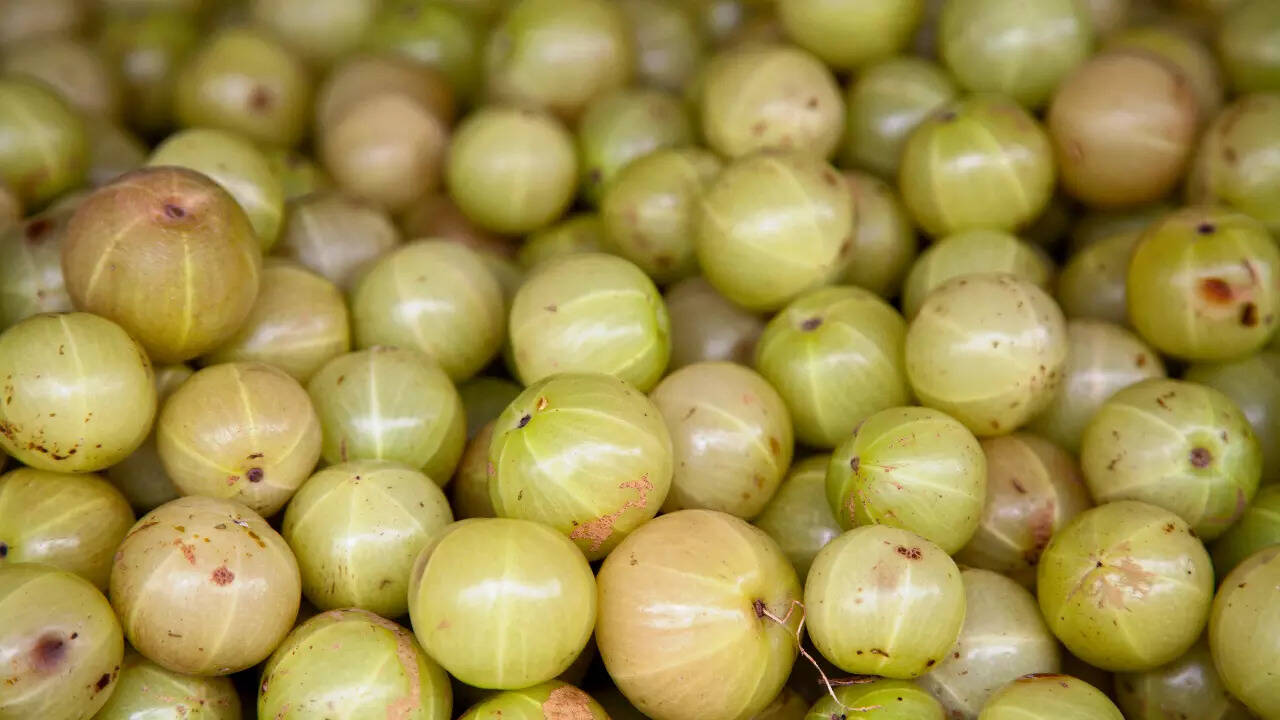
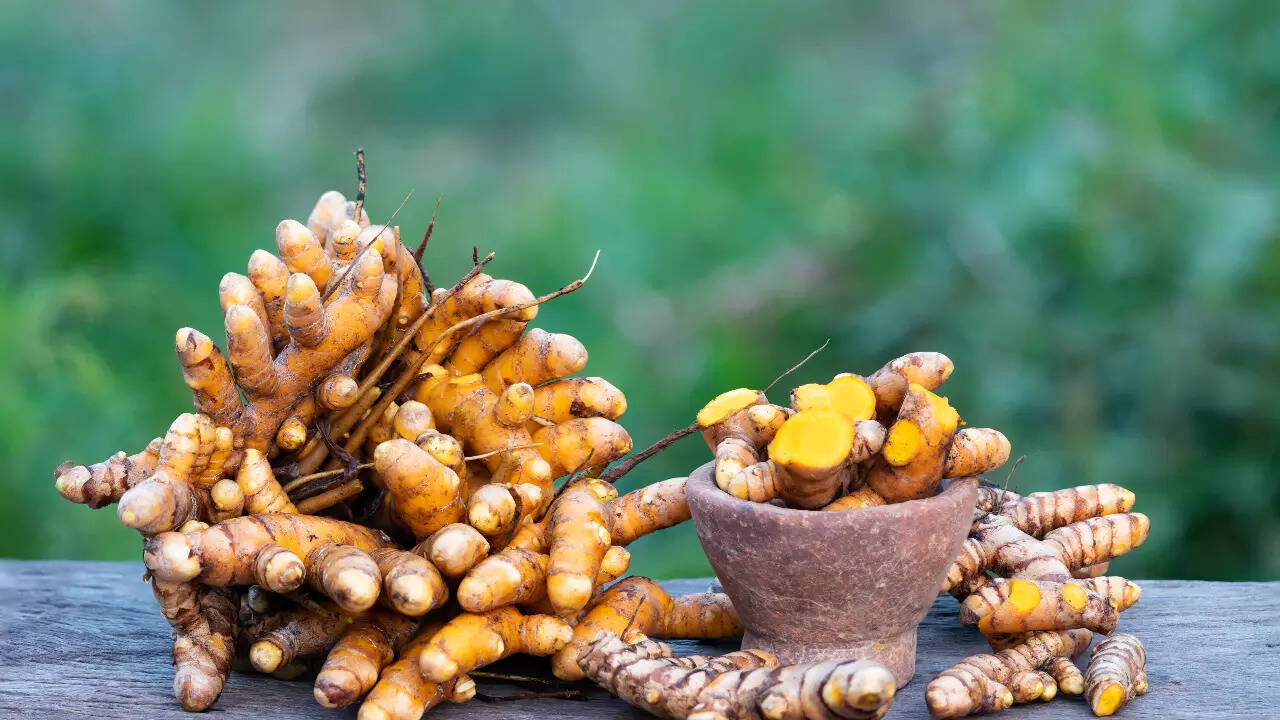
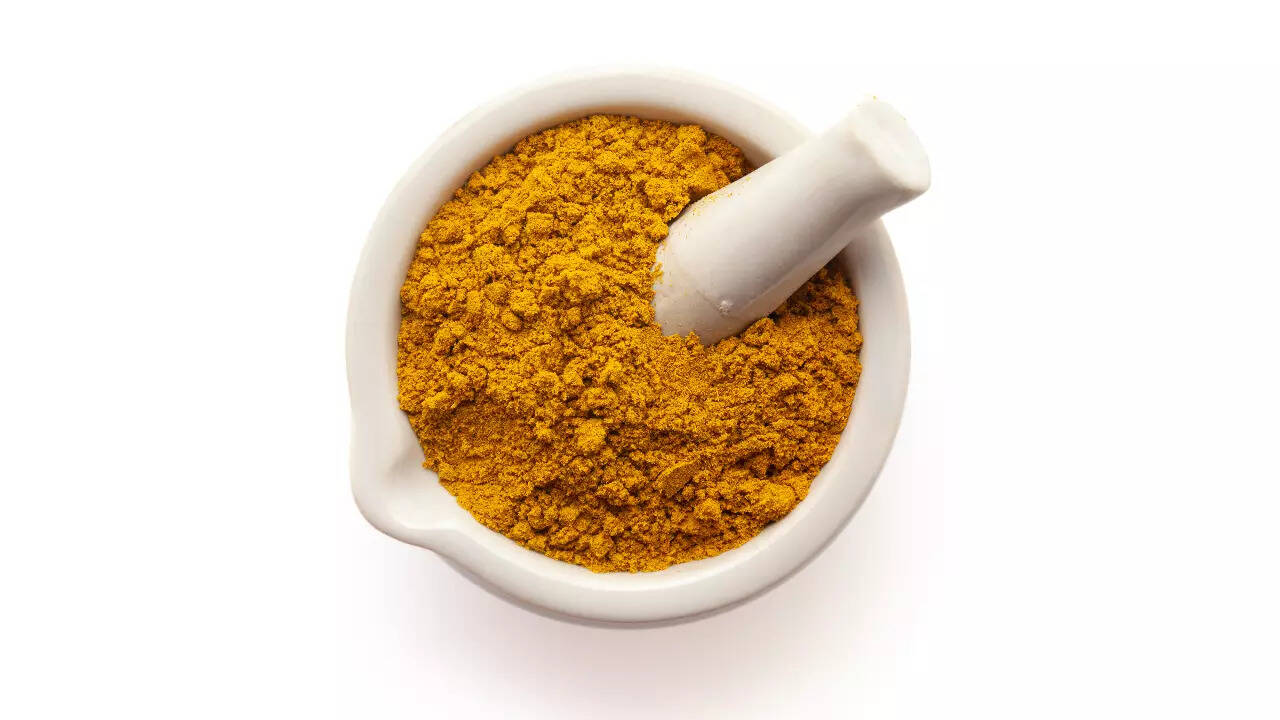
India is a land of superfoods. Embracing India's winter staples, amla and raw turmeric, offers significant health advantages. Consuming them on an empty stomach, as per ancient tradition and modern science, boosts immunity, improves gut health, and acts as a powerful antioxidant and anti-inflammatory agent. This potent combination also aids in regulating blood sugar and supports liver function.

India is a land of superfoods. Embracing India's winter staples, amla and raw turmeric, offers significant health advantages. Consuming them on an empty stomach, as per ancient tradition and modern science, boosts immunity, improves gut health, and acts as a powerful antioxidant and anti-inflammatory agent. This potent combination also aids in regulating blood sugar and supports liver function.


About the AuthorTOI Lifestyle Desk
End of Article
Follow Us On Social Media
Health +
Tired of too many ads?go ad free now
Food videos
Featured In Food

Tired of too many ads?go ad free now



MORE FROM ETIMES
life & styleHot on the Web
Salman KhanMaya Angelou QuoteShilpa ShettyDharmendra Prayer MeetAnupam KherLizard RepellentGeorge WashingtonUltimate CaregiversEleanor Roosevelt QuoteKis Kisko Pyaar Karoon 2 CollectionHeart HealthHema MaliniLiver DamageHealthy VegetablesDhurandhar Movie CollectionThe Devil CollectionThe Devil Movie ReviewGaurav KhannaAkhanda 2 Full Movie CollectionWorld Unhappiest CountriesPetrichor WordAkshaye KhannaTere Ishk Mein CollectionDhurandhar Movie ReviewKidney Damage SupplementsWorld English Speaking Countries 2025Akhanda 2 Movie ReviewPadayappaHair Oil RecipesTere Ishk Mein Movie ReviewMagnesium Deficiency SymptomsWeight Loss DrugAkshay KumarShefali ShahLeftover PizzaMark Zuckerberg LessonsShimla TravelsAbhishek BachchanMagnesium Deficiency SymptomsOptical illusionOzempic
Trending Topics
Latest MoviesBollywood MoviesHollywood MoviesTamil Movies 2025Telugu Movies 2025Malayalam Movies 2025Kannada Movies 2025Marathi Movies 2025Bengali Movies 2025Top Rated Movies 2025Best Hindi MoviesBest English MoviesBest Telugu MoviesBest Tamil MoviesBest Malayalam MoviesBest Kannada MoviesBest Bengali MoviesUpcoming Hindi MoviesBest Movies Of All TimeBest Hindi Movies of All TimeLatest English MoviesLatest Malayalam MoviesEnglish TV NewsTamil TV NewsTelugu TV NewsMalayalam TV NewsKannada TV NewsMovie ReviewsBhojpuri Cinema NewsGujarati Cinema News
Popular Categories
Viral NewsK Pop NewsWeb Series NewsAnime NewsUpcoming English MoviesUpcoming Tamil MoviesUpcoming Telugu MoviesUpcoming Malayalam MoviesUpcoming Kannada MoviesFashion TipsTravel NewsEntertainment NewsBollywood NewsTollywood NewsKollywood NewsMollywood NewsFood NewsLatest Hindi MoviesLatest Tamil MoviesParenting TipsHome RemediesWeight LossBeauty TipsParenting TipsHindi VideosHindi Video SongsBhojpuri Music VideosLatest Telugu MoviesBhojpuri Music VideoHindi TV News
Latest News
Indian evacuations from Middle East: 5,945 citizens rescued in three years; 1,474 belonged to UPSaudi influencer Abu Marda killed at 27 in Hail accident, tributes pour inAland ‘vote chori’ case: SIT files chargesheet names ex-Karnataka BJP MLA Subhash Guttedar, his son among others2025’s most weird combos that left all curious & furiousICICI Prudential Mutual Funds IPO subscribed 72% on opening dayRanveer Singh’s ‘Dhurandhar’ fails to beat ‘Simmba’ as the second biggest hit of his career on 2nd Friday10 smart snack replacements that can reflect in better fatty liver, PCOS, and pre-diabetes reportsIND vs SA: 'Batters need clear roles' - Robin Uthappa criticises India's T20 strategy'Bigg Boss 19’ success party: Fan shock Mridul Tiwari with his backflip stunt as he stops by for photos'Thinks he is Tom Cruise': Nicki Minaj slams Gavin Newsom over trans rights; applauds MAGA leaders including TrumpLose weight naturally with okra water: Benefits, recipe and timing explainedHaryana ties up with World Bank to cut pollutionActress assault case verdict: AMMA president Shweta Menon calls punishment insufficient; No talks on Dileep’s returnNo agency to get custody of Anmol Bishnoi for 1 year: MHA‘Vinod Khanna and stepmom visited him often’: Dhurandhar star Akshaye Khanna’s schoolmate recalls his school days, reveals he was entire school’s crushDiljit sharing my video? Fark nahi padta: Mir Mukhtiyar AliHuma Qureshi on paparazzi culture after Jaya Bachchan controversy: “When we want to be spotted somewhere, we call them”Greater Noida: Several injured as multiple vehicles collide on Eastern Peripheral Expressway amid dense fog