
PM Narendra Modi visits Assam Tea Garden: 5 interesting facts about the Manohari Tea Estate and its most expensive Golden Tea
What makes Manohari Tea Estate truly special and unique
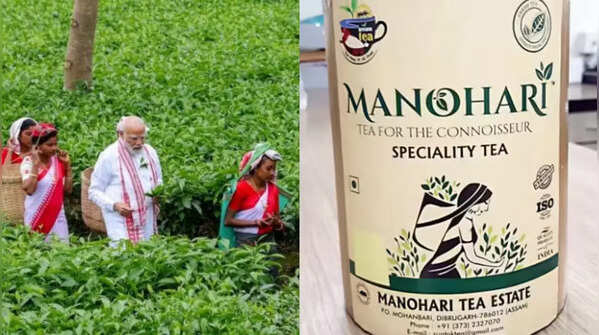
Prime Minister Narendra Modi has a deep connection with tea (chai). On Wednesday morning, he spent almost 30 minutes at the Manohari Tea Estate, Dibrugarh, Assam where he interacted with women workers and observed their daily routines in the tea garden. According to reports, he also joined the workers in tea leaf plucking, participating in the activity alongside a group of 19 women dressed in traditional white sarees with red borders. According to reports, he also joined the workers in tea leaves into traditional baskets, reflecting a hands-on engagement with the workers in the field. The ANI agency photos shows PM Modi placing freshly plucked tea leaves into traditional baskets reflecting a hands-on engagement with the workers in the field. The interaction also included conversations about the cultural traditions of tea garden communities, followed by a selfie with the workers. Later, he also witnessed a traditional Jhumur dance performance presented by the tea garden workers, highlihting the region's culltural heritage. The highlight of his visit was the Manohari Tea Estate, which is known for its Manohari Gold tea, one of the most exensives teas in the world. Let us tell you some interesing facts about the tea and the estate.
Intricate handmade art
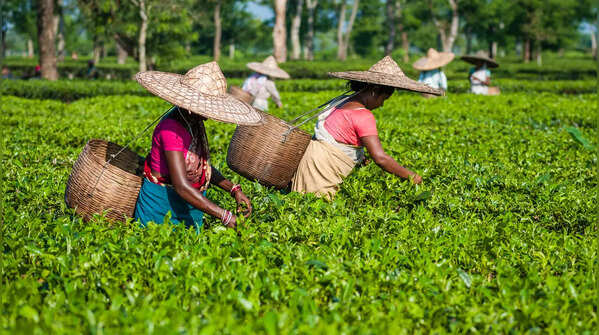
Making of tea at Manohari tea Estate is more of an art, where cutting and rolling art done manually. The tea is made from a speical clone, by plucking the bud early morning beween 5-7.30 am during monsoon season between June and July.
Over 100-year-old estate
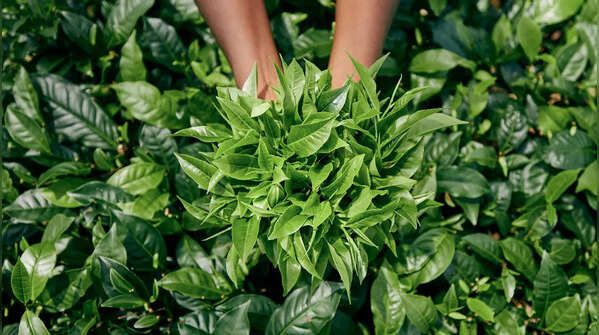
According to reports, it is over 100-year-old tea estate and the iconic Manohari Gold tea was develped from the research undertaken by Suntok Tea Company.

Unique taste
It is said to taste diferent from other teas and is made with just hot water, and no milk and sugar is needed to be added. Interestingly, even its residue tastes good and one can chew as it doesn't tase bitter like other teas.

Most expensive tea
The estate produces one of the most expensive teas of India and is priced at a whopping Rs. 99999 per kg. The same report states that Manohari Gold retaoles online at Rs 2700 for 20 gms and is only availbale offline at the company gardens and Guwahati auction centre. Interestingly, you need only 2 gm of tea leaves for a single cup and a pack can make 10 cups. Earlier it was sold for 39,100 per kg in 2018, Rs. 50000 in 2019, and Rs 75000 per kg in 2020.
Limited production
As it is a costly tea, the production is also very limited and in small quantities. According to a report by Money Control, in 2021 they produced only 2.5 kg of tea and the company's overall tea output across varieties for the year was 800, 000 kg.
Featured In Food

