
Star Anise: A ‘star’ of kitchens synonymous with the taste of luxury and royalty
What makes Star Anise the true star of Indian kitchens
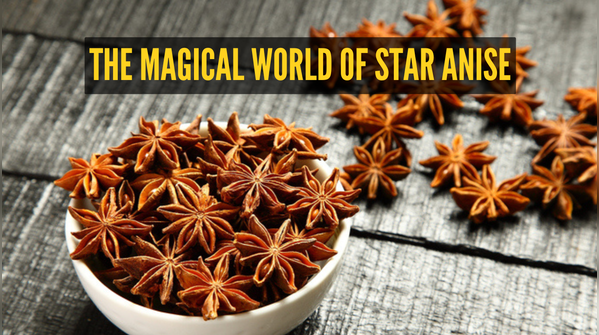
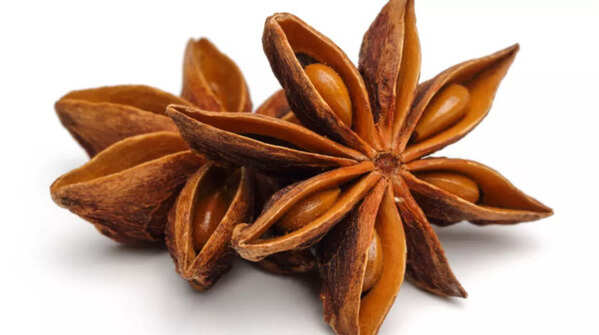
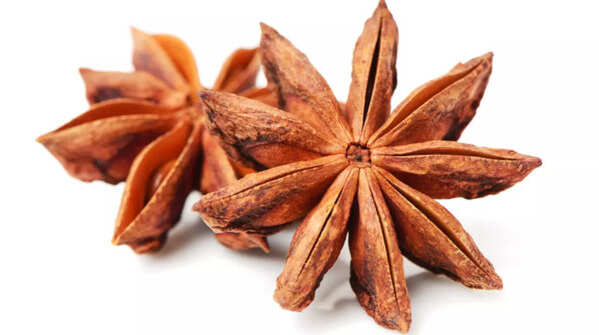
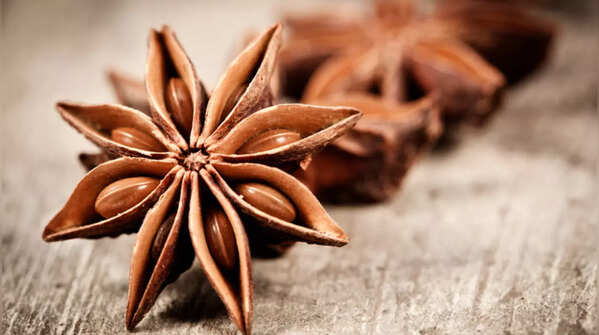
The Indian spice box is full of flavourful elements which have strong aroma and are considered to have medicinal properties too. While the majority spices are not very photogenic, but, there is one spice which is extraordinarily pretty and adds to the beauty of dishes like biryani and koftas, and that is Star Anise. In his book The Book of Spice: From Anise to Zedoary, John O'Connell, a reputed author explored the world of star anise, which is known for its licorice-like flavor, medicinal uses in Chinese and Ayurvedic traditions, and role in global trade routes as well. Also known as Chakri Phool or Anasphal in Hindu, Takkolam in Malayalam, Badian in Marathi, Anasphul in Oriya, Anashuppu in Tamil, Anaspuvu in Telugu, and Badyani in Urdu, it is described as dried, star-shaped fruit of Illicium verum and has a reddish brown tone, consisting of 6-8 carpals arranged in a whorl, where each carpel is shaped like a boat, and contains a seed. These seeds are brown, compressed, ovid, smooth, shiny, and at the same time very brittle. The genus name Illicium is derived from the Latin word “illicere” meaning “allure”, indicating that the branches and leaves of star anise have an attractive fragrance.
Origin of Star Anise
While it is widely used in Indian cooking and is known as Indian spice, it is indigenous to SouthEastern China. In India, it is majorly produced in Arunachal Pradesh and its production requires agro climatic conditions available only in the traditional growing areas. It is said to be grown well in humus rich, mildly acidic to neutral soils, which are light to medium and have good drainage. It tolerates temperatures down to –10 degree C.
What does the study say about Star Anise
As per a study titled A Comprehensive Review of the Pharmacology, Chemistry, Traditional Uses and Quality Control of Star Anise (Illicium verum Hook. F.): An Aromatic Medicinal Plant and published by PMC, star anise contains more than 201 chemical constituents. The study highlights that among these star anise oil and shikimic acid are the two most widely used and studied chemical components in star anise, with the oil accounting for a large proportion of the total. It is mentioned that the fruit of star anise is anti-bacterial, carminative, diuretic and stomachic. It is considered useful in flatulence and spasmodic as well. It contains compounds that help reduce inflammation and oxidative stress in the body. It also helps balance gut bacteria and supports overall digestive wellness.
Star Anise and Indian cooking
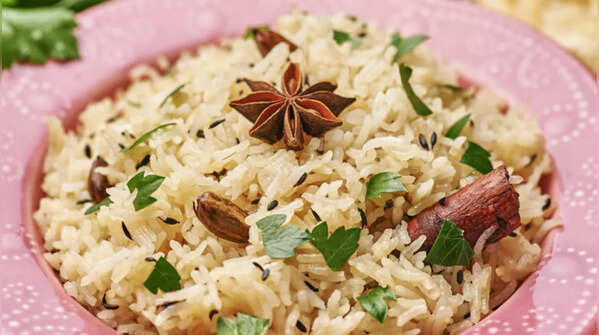
came to India around the medieval period, when maritime and overland trade flourished between China, Southeast Asia, Central Asia, and India. It is said that Arab traders played a key role in it and when it arrived in India, first it found its place in imperial Mughal courts, where it was added to pulaos, biryanis, niharis and later it found deeper roots in Awadhi cuisine.
Historic evidence of Star Anise
As per the same study, in China, the use of star anise as a spice can be traced back to the Song Dynasty (AD960–AD1279) and as a medicine to the Ming Dynasty (AD1368–AD1644). The Chinese Pharmacopoeia (2005 edition) documented the main effects of star anise as warming Yang and dispersing cold, regulating Qi and relieving pain. As a well-known spice, star anise was first introduced to Europe in the seventeenth century, and it is said that it gets its distinctive licorice taste from the presence of star anise essential oil (SAO). It is one of the first traditional Chinese medicines announced by the Ministry of Health of the People’s Republic of China in 2002 for dual use in medicines and foodstuffs. Star anise has been used in China for more than a thousand years, and China is the only country in the world that can produce anise on a large scale.
Uses of Star Anise
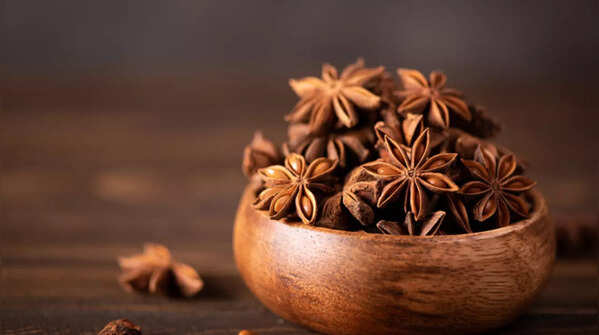
As per experts, the five-spice powder mix of China contains star anise. And in India, it is used to flavour vegetables, meat, and to marinate meat. It is commonly used as a condiment for flavouring curries, confectionaries, spirits, and for pickling too. And there are brands that use it in the world of perfumery too. The essential oil of star anise is used to flavour soft drinks, bakery products and liquors.
Mughlai and Awadhi connection of Star Anise
Chef Chef Gautam Kumar states that star anise has a significant connection with Mughali and Awadhi cuisine. He explains, "It was introduced to North India through Persian and Central Asian influences, and slowly became part of the refined spice vocabulary that defines royal kitchens. If we look at the Mughlai cuisine, star anise is often infused in yakhni, kormas, nihari, and biryanis. The subtle sweet-licorice aroma of star anise seamlessly blends with the richness and sweetness of ghee and nuts, and makes the meat preparation even tastier. It is considered as a spice that offers elegance to the dish rather than intensity, and sits at the top of the dish, offering a calm sense to the diner." He adds, "And in Awadhi cuisine, the spice is said to offer a gentle aroma which makes techniques like dum pukht even more sensory." Star Anise is not a spice that is meant to be tasted distinctly, but felt as an invisible string of aroma that ties together history, royalty, heritage, patience, and culinary finesse.
Images Courtesy: istock
Featured In Food

