
Top 10 most iconic Australian foods that the world needs to know about
Top 10 most iconic Australian foods that the world needs to know about
Australia’s food identity has never been about polish or perfection. It’s shaped by distance, climate, migration, and a deeply practical relationship with eating. Meals are meant to travel well, hold up in heat, feed crowds, and feel familiar rather than fancy. Over time, this practicality has turned into something quietly distinctive, food that carries stories of colonial history, Indigenous knowledge, post-war migration, and modern multicultural confidence. Here are ten foods that define Australia not because they’re complicated, but because they’re inseparable from everyday life...

Meat Pie
No Australian food is more universally recognised. The meat pie is eaten at footy matches, petrol stations, bakeries, and school fundraisers. A shortcrust base, flaky top, and minced meat gravy filling sound simple, but the emotional weight is heavy. It’s comfort, ritual, and national shorthand. Tomato sauce on top is non-negotiable. Comforting and filling, meat pies are valued for their portability and versatility, making them equally suited as a street snack, a bakery staple, or a wholesome meal.
Vegemite
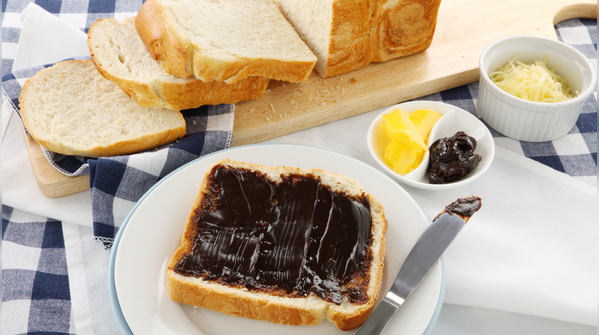
Vegemite divides the world but unites Australians. Dark, salty, and unapologetic, it’s spread thinly on buttered toast and introduced early in childhood. What began as a wartime nutrition solution became a cultural marker. Loving Vegemite isn’t about taste alone - it’s about belonging.
Lamington
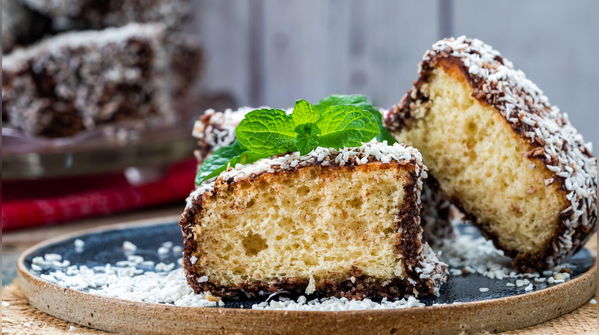
A sponge cake coated in chocolate and rolled in coconut, lamingtons are the backbone of bake sales and afternoon teas. Versions filled with cream or jam exist, but the classic remains unchanged. It’s not showy, but it’s dependable - exactly why it lasts.

Barbecue Sausages (snags)
Barbecue sausages, often called snags, are a classic crowd-pleaser at any grill. Juicy on the inside with a smoky, charred exterior, they’re simple but deeply satisfying. They cook quickly, making them perfect for casual gatherings and outdoor meals. Best enjoyed hot off the grill, tucked into bread or served with mustard and onions.

Chicken Parmigiana (Parma)
Imported by Italian migrants and fully adopted by pubs across the country, the chicken parma is now pub royalty. Breaded chicken schnitzel, tomato sauce, melted cheese, and often ham, served with chips and salad. It’s indulgent, filling, and designed for long lunches.
Fish and chips
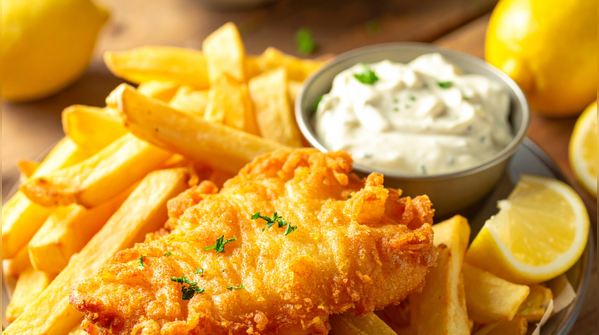
Shaped by Australia’s long coastline, fish and chips are wrapped, salted generously, and eaten by the sea. Often bought from small takeaway shops after a swim or sunset walk, it’s food designed to travel a few sandy steps. Whether it’s flathead, flake, or barramundi, the experience matters more than the species. Paper-wrapped, eaten with fingers, and never rushed.

Pavlova
Few desserts are argued over as passionately. Light meringue, crisp on the outside and marshmallow-soft within, topped with cream and fruit, pavlova appears at Christmas, birthdays, and summer gatherings. It’s airy but indulgent, designed for warm weather and shared tables. What fuels the debate is not just origin but ownership, a dessert that has come to symbolise national pride, celebration, and the pleasure of something made to be broken and passed around.

Fairy bread
White bread, butter, and a scatter of rainbow sprinkles - nothing more, nothing missing. Fairy bread is pure childhood memory, built on simplicity and timing. It belongs almost exclusively to birthday parties, where it feels perfectly in place and nowhere else. Its charm lies in its refusal to evolve. Fairy bread doesn’t aspire to adulthood, and that’s precisely why it endures.
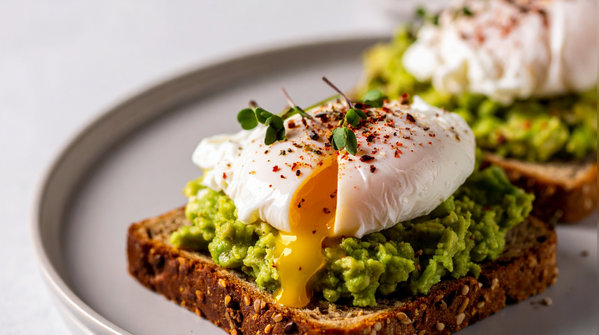
Avocado toast
Once mocked internationally, avocado toast reflects modern Australian food culture better than almost anything else. Cafés turned simple smashed avocado on bread into a canvas for seasonal produce, sourdough, and good coffee. It represents Australia’s relaxed but quality-driven approach to eating. Unpretentious yet deliberate, it values freshness over fuss, balance over excess, and local sourcing over showmanship, a plate that mirrors how Australians prefer food to feel: easy, thoughtful, and quietly well-made. Its endurance lies in adaptability, not gimmickry, allowing each café to interpret it differently while preserving the same core values of simplicity, care, and ingredient respect. In that flexibility sits its cultural strength, proof that food trends endure when they reflect everyday habits rather than chase novelty.

Kangaroo Meat
Lean, gamey, and increasingly common, kangaroo meat reflects a growing conversation around sustainability and native ingredients. Long consumed by Indigenous communities, it remained largely absent from mainstream plates for decades. Once marginal, it’s now served in restaurants and sold widely. Its rise mirrors Australia’s slow shift toward recognising Indigenous food systems.
Featured In Food

MORE FROM ETIMES
life & style