
What do atronauts eat? 8 categories of space food designed to keep them healthy
Role of food in space
Food is an integral part of life on earth and space too. Hence, when it comes to lives of astronauts, food is as important as it is for a common man walking on the road. It is just that that the food needs to be treated right before consumption. And the National Aeronautics and Space Administration (NASA) as the regulatory body assures that the foods sent to space are thoroughly analysed. According to NASA, the food sent for astronauts are not mysterious concoctions but foods prepared on Earth and the data called Space Food and Nutrition by NASA states that diets are designed to supply each crew member with all the recommended dietary allowances of vitamins and minerals necessary to perform in the environment of space. According to the same report, foods flown in space are researched and developed in the Foods Systems Engineering Facility.

How is food developed for space?
According to NASA's data, foods are first tested for nutritional value, how well they freeze dry, the storage and packaging process, and of course taste. Astronauts are also asked to taste test food items. They use a simple form to rate the products on such things as appearance, color, odor, flavor, and texture. These components are rated using a numbering system, states NASA data. The Food Systems Engineering Facility uses the astronauts ratings to help design better space food, states the website. There are eight categories of space food that help keep the astronauts safe and healthy on missions. Take a look.
Intermediate Moisture Food
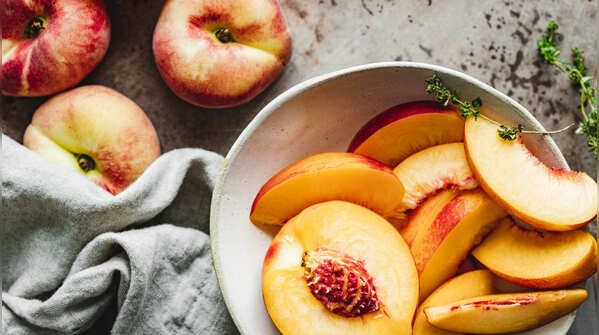
As per NASA, intermediate moisture foods are preserved by taking some water out of the product while leaving enough in to maintain the soft texture. This way, it can be eaten without any preparation. These foods include dried peaches, pears, apricots, and meat.
Rehydrated food
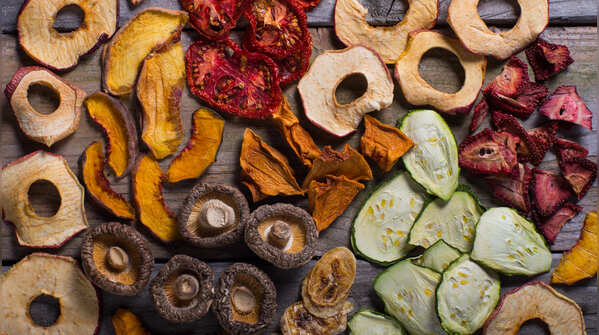
As per NASA, water is removed from rehydratable foods to make them easier to store. This process of dehydration (also known as freeze drying) is described in the earlier Gemini section. As per data, water is replaced in the foods before they are eaten. Rehydratable items include beverages as well as food items. Hot cereal such as oatmeal is a rehydratable food.
Thermostabilized Food
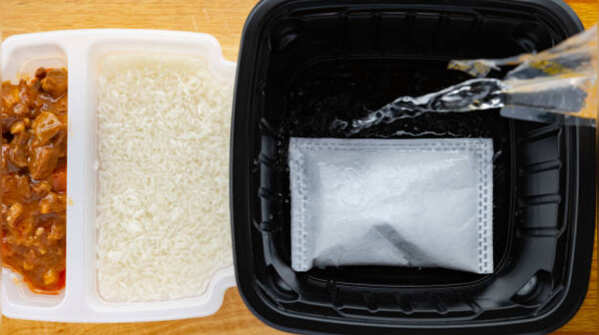
These foods are heat processed so they can be stored at room temperature. Most of the fruits and fish (tuna fish) are thermostabilized in cans, says data. The cans open with easy-open pull tabs similar to fruit cups that can be purchased in the local grocery store. Also, puddings are packaged in plastic cups.
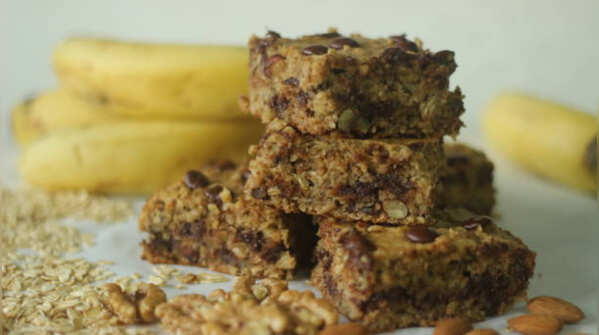
Natural Form Food
These foods are ready to eat and are packaged in flexible pouches. Natural form foods include nuts, granola bars, and cookies.
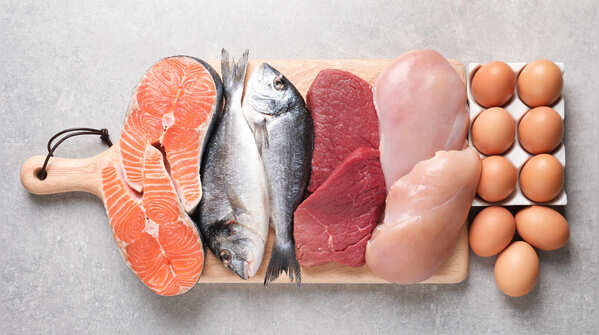
Irradiated Food
Meat steak and smoked turkey are the only irradiated products being used there. As per NASA, these products are cooked and packaged in flexible foil pouches and sterilized by ionizing radiation so they can be kept at room temperature.
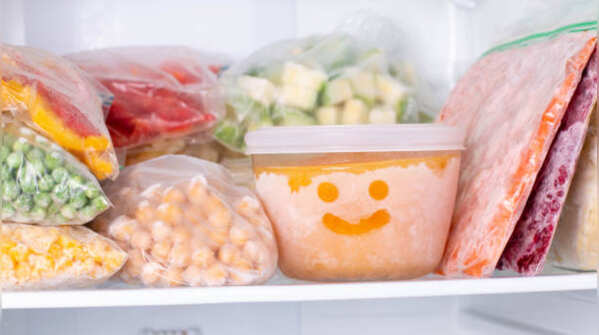
Frozen Food
These foods are quickly frozen to prevent a buildup of large ice crystals. This maintains the original texture of the food and helps it taste fresh. For instance, quiches, casseroles, and chicken pot pie.
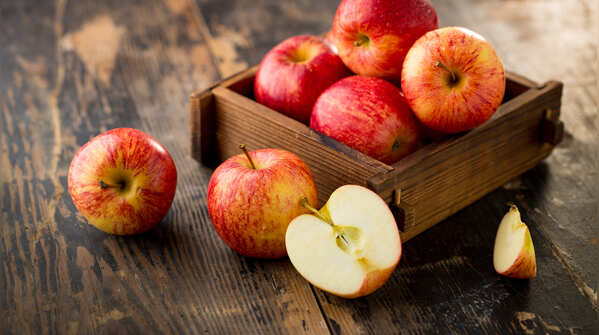
Fresh Food
According to NASA, these are bascially fruits like apple and banana, which are neither processed nor artificially preserved.
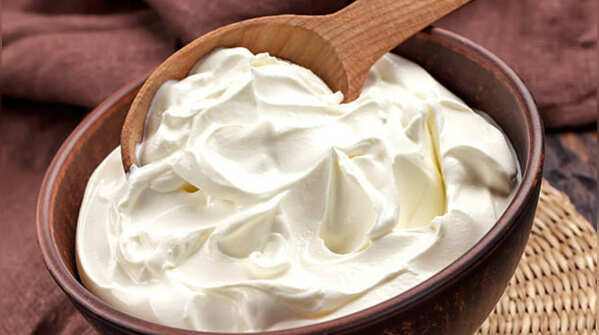
Refrigerated Food
These foods require cold or cool temperatures to prevent spoilage. Common examples of such foods are cream cheese and sour cream.
Images Courtesy: istock
Featured In Food

MORE FROM ETIMES
life & style