
Why Indian sweets are covered with silver foil
Why Indian sweets are covered with silver foil
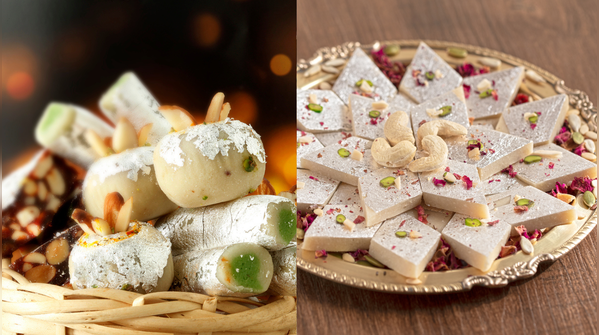
Indian sweets often arrive looking like they have been dressed for a celebration. A piece of barfi glints softly under a thin silver sheet. A peda catches the light. A mithai box opens, and the first impression is not just taste, but shine. That fragile layer, known as varak or vark, has become one of the most familiar visual signatures of Indian sweets. Yet it is easy to forget how old, and how layered, the practice really is. The silver covering is not there by accident, and it is not merely for decoration. It sits at the intersection of tradition, status, ritual, and presentation, carrying with it ideas of purity, luxury, and respect for food. In a culture where sweets are often tied to festivals, offerings, weddings, and first meetings, the silver leaf helps turn something edible into something ceremonial. It tells the eye that this is not ordinary food. It is food meant to mark a moment. Scroll down to read more...
A finishing touch with a long history
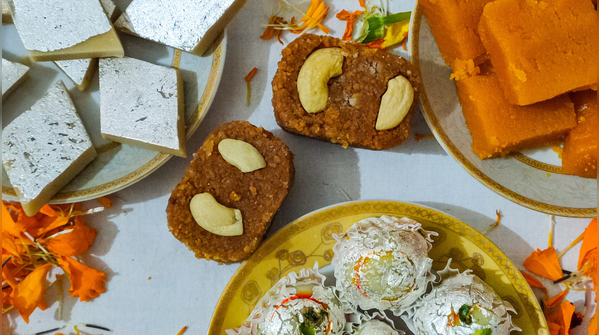
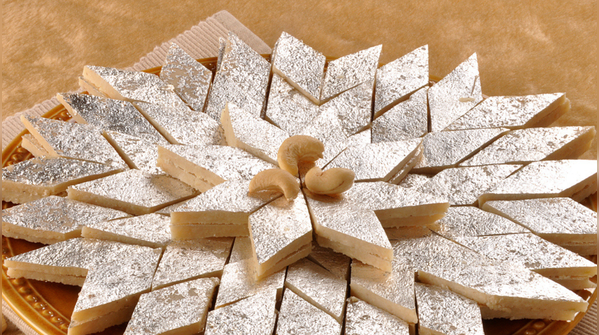
The silver foil seen on Indian sweets is an extremely thin edible metallic sheet traditionally associated with edible silver varak. In Indian culinary tradition, it has been used for centuries on mithai, paan, and sometimes even dry fruits. Its presence is especially strong in North Indian sweet shops, though it appears across regions in different forms and styles.
What makes varak striking is how little of it is actually needed to create an effect. A whisper-thin layer is enough to transform a simple sweet into something that looks refined and festive. This is part of its appeal. Indian sweets have always understood the power of appearance. A sweet is often the first gift exchanged in a home, the first offering made at a temple, the first thing served when good news arrives. Silver foil helps the sweet rise to the occasion.
Why silver, and not something else
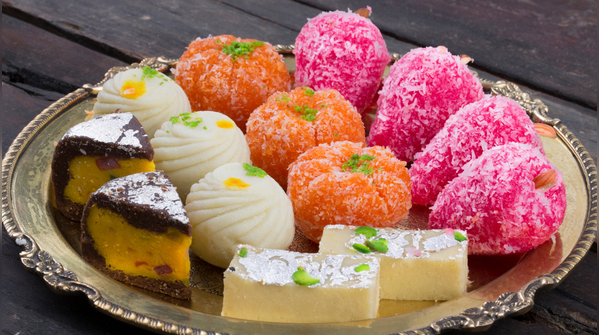
Silver has long carried symbolic weight in South Asian culture. It is associated with auspiciousness, coolness, purity, and grace. In many homes, silver utensils and vessels have been linked with ritual use. Covering sweets with silver foil extends that cultural language onto food.
There is also a visible sense of generosity in it. Silver is not a common everyday material in the way sugar or flour is. To place it on a sweet is to signal abundance. It suggests that the occasion is worth dressing up for. In a country where food is deeply tied to emotion and etiquette, that signal matters. A mithai wrapped in silver feels more celebratory than the same sweet without it, even if the recipe remains unchanged.
More than decoration
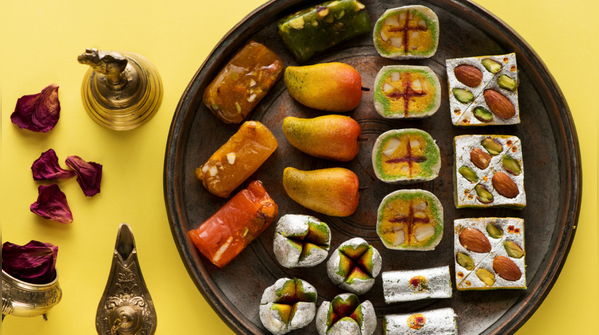
The silver covering is not only about looking elegant. It also reflects the Indian habit of making food part of the social ritual. Sweets are rarely just sweets. They are gestures. They are meant to be shared, offered, distributed, and remembered. Silver foil makes the sweet more gift-like, more ceremonial, and more visually distinct.
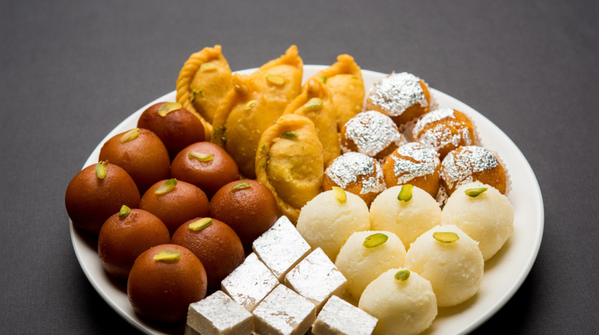
That matters in a market where mithai must compete for attention. Indian sweet shops often display trays packed with brightly coloured burfis, laddoos, and pedas. The silver leaf acts like a final signature. It catches the eye, separates premium from ordinary, and gives the sweet a kind of quiet prestige. In many cases, it is part of the expectation. A sweet without it may still taste excellent, but it may look unfinished to a customer who associates the silver sheen with authenticity and value.
The science of the shine
Traditionally, varak was made by hammering silver into an almost impossibly thin sheet. The result was so delicate that it could be lifted and placed on sweets without adding much weight or altering taste. Because silver itself is largely inert in small quantities, it was used more for presentation and symbolism than for flavour.
Still, the sheet has to be made carefully and hygienically. That is where practice matters. Good-quality varak is created under controlled conditions so that it is safe for consumption. Over time, this has become an important distinction, especially as concerns around adulteration have grown. What people want is not just a shiny sweet, but a clean and trustworthy one.
A sign of festivity and status
There is another reason the silver foil endured: it photographs and presents beautifully. Long before social media, Indian sweets were already visual objects of pleasure. Silver made them seem richer, brighter, and more desirable. It suggested care in preparation and pride in presentation.
This is especially visible during weddings, Diwali, Raksha Bandhan, Eid, and religious offerings, when sweets do double duty as food and symbol. A sweet covered in silver is a small but effective way of saying that the occasion matters. It elevates the familiar. It turns a simple milk-based confection into something that feels closer to a gift.
Why it still survives
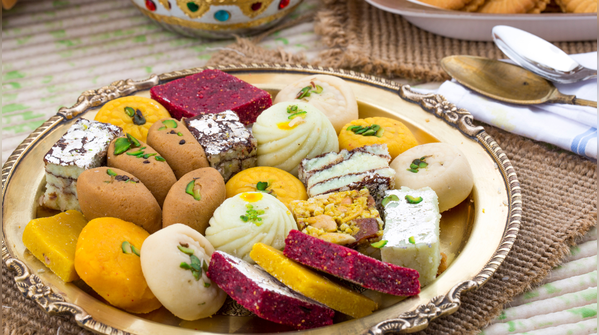
In an age of modern packaging, glossy branding, and elaborate dessert plating, silver foil might seem old-fashioned. But it has survived because it still works. It bridges old and new effortlessly. It satisfies cultural memory while also appealing to the eye. It keeps Indian sweets rooted in tradition even as the market around them changes.
At its core, the silver covering is about more than shine. It is about ceremony, value, and the Indian instinct to give food a little extra meaning. In a country where sweetness is often tied to blessing, hospitality, and joy, silver foil is not just a surface detail. It is part of the language of celebration.
Featured In Food

MORE FROM ETIMES
life & style