
- News
- lifestyle
- health-fitness
- diet
- Is a high fibre diet healthy?
Is a high fibre diet healthy?
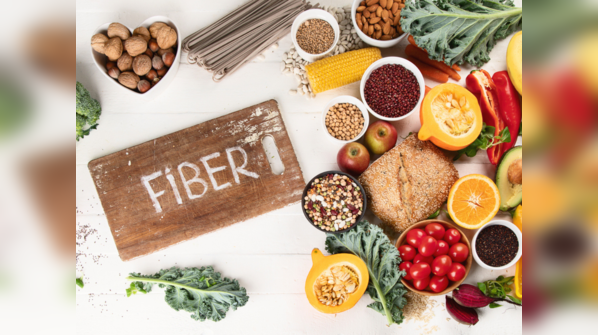
Varied benefits of fiber consumption
Fiber intake stands to be one of the primary solutions for the issues of digestion and weight control, delivering a balanced and healthy lifestyle. Intake of adequate fiber on an everyday basis also reduces the risk of chronic diseases and fibers do mediate the gut microbiota and maintain the digestive system thus giving you proper digestion. However, every fiber is not created equal and thus has different health perks. Some of the benefits of taking a high-fiber diet are mentioned below.
(Image Credits: iStock)

It helps in weight loss
(Image Credits: iStock)

It regulates blood sugar levels
(Image Credits: iStock)

It improves heart health
(Image Credits: iStock)

It lowers cancer risk
Dietary fibers, found in fruits, vegetables, whole grains, and legumes, have been associated with a reduced risk of certain types of cancer. Soluble fiber adds bulk to the stool and helps prevent constipation. Regular bowel movements reduce the time that potentially harmful substances stay in contact with the colon lining, potentially lowering the risk of colorectal cancer.
(Image Credits: iStock)

It promotes bone health
(Image Credits: iStock)

What happens if the human body consumes too much fiber?
Too much fiber for the human body can also have adverse effects and can lead to bloating, gas, and constipation. Consumption of too much fiber can at times lead to intestinal blockage, with stomach cramps, nausea, and diarrhea as well.
One might feel bloated, thus after a full meal post which you feel all these symptoms, one should start walking and should do proper exercise every day. Adult women should consume 25 g per day fiber, whereas adult men should consume 38 g per day to avoid the issues of bloating.
(Image Credits: iStock)
Featured In lifestyle

