- News
- lifestyle
- health-fitness
- diet
- Milk vs. Ragi: Which has more calcium
Trending
This story is from December 17, 2024
Milk vs. Ragi: Which has more calcium
Milk and ragi are both excellent calcium sources, crucial for strong bones and teeth. Milk boasts readily absorbed calcium, along with protein and vitamin D. Ragi, a traditional grain, offers even higher calcium content, but its absorption can be hampered by phytates. However, techniques like sprouting can enhance ragi's bioavailability.
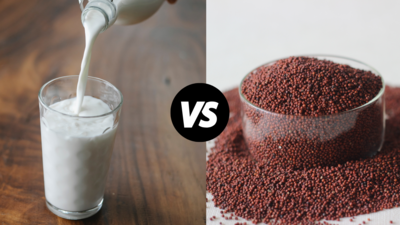
Calcium is very crucial for maintaining strong bones and healthy teeth. Milk is preferred as the primary source of calcium. But now days, traditional grains, such as ragi (finger millet), have gained attention for their calcium content. Here’s a complete comparison between the nutritional aspects of the two:
Nutrition in milk
Milk has been well known as a dietary staple for centuries, mainly in western diets. It is rich in nutritional profile, particularly in calcium. Here are some main points of Milk:
2. Bioavailability: According to Eshanka Wahi, culinary nutritionist, holistic wellness coach, founder of Eat Clean With Eshanka, “The calcium that is present in milk is highly bioavailable, which means the body can absorb and utilize it efficiently.”
3. Other Nutrients: Apart from calcium, milk is also a source of protein, vitamin D, potassium, and phosphorus, which are good for bone health.
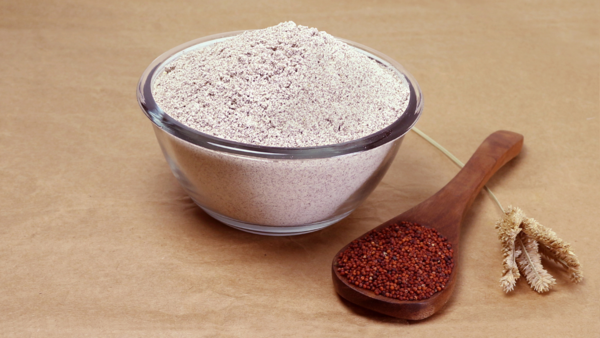
Nutrition in ragi
According to Dietitian Vidhi Chawla, founder of Fisico Diet and Aesthetic Clinic, Ragi is also known as finger millet. It is a staple grain in many parts of India and Africa. It is famous for its nutritional density and rich in calcium.”
Here are some main points of ragi:
1. Calcium: Ragi contains approximately 344 mg of calcium per 100 grams, which is more than milk.
2. Bioavailability: Ragi’s bioavailability is less than milk due to the presence of antinutrients such as phytates. These compounds can inhibit absorption of calcium.
3. Other Nutrients: Ragi is packed with iron, amino acids, and dietary fiber. These essentials make it a wholesome addition to a balanced diet.
Comparison of Milk and Ragi
1. Calcium:
Milk: 125 mg per 100 grams (96 ml)
Ragi: 344 mg per 100 grams
2. Bioavailability:
Milk has lactose, so its calcium is more bioavailable. Ragi’s calcium absorption is hindered by antinutrients like phytates, but sprouting, fermenting, and soaking the grains can improve bioavailability.
Health benefits of milk and ragi
2. Milk contains water, nutrients, and electrolytes that hydrate the body.
3. Ragi manages the diabetes as it has a low glycemic index and fiber, which helps in regulating the blood sugar level.
Choosing Milk and Ragi totally depends on individual dietary preferences, nutritional needs, and tolerances. Ragi is a valuable alternative for those who cannot consume milk. However, milk’s calcium can easily be absorbed and utilized by the body.

About the Author
TOI Lifestyle DeskEnd of Article
FOLLOW US ON SOCIAL MEDIA








Tired of too many ads?go ad free now
Featured In Lifestyle

Tired of too many ads?go ad free now
MORE FROM ETIMES
life & styleHot on the Web
Solar Eclipse 2025Navratri 2025L2 Empuraan ReviewBlood Pressure ControlHappy Eid-Ul-Fitr Wishes 2025L2: Empuraan Twitter ReviewHair Mehendi Side EffecctsVeera Dheera Sooran Movie ReviewRhea ChakrabortyEgg PricesWorld Strongest CurrenciesAishwarya RaiZahan KapoorSara Ali KhanJaya BachchanRekhaVirat KohliGreen Tea BenefitsHigh Cholesterol SymptomsIndia VS Pakistan HospitalityVeera Dheera Sooran ReviewSnow Leopard BhutanBrain ExercisesOkra Water BenefitsIntelligent Freshwater FishesBanana BenefitsNational Parks AsiaLiver Cleanse HabitsDiplomat Box Office CollectionChhaava Box Office Collection
Trending Topics
Latest MoviesBollywood MoviesHollywood MoviesTamil Movies 2025Telugu Movies 2025Malayalam Movies 2025Kannada Movies 2025Marathi Movies 2025Bengali Movies 2025Top Rated Movies 2025Best Hindi MoviesBest English MoviesBest Telugu MoviesBest Tamil MoviesBest Malayalam MoviesBest Kannada MoviesBest Bengali MoviesUpcoming Hindi MoviesBest Movies Of All TimeBest Hindi Movies of All TimeAlia BhattSargun MehtaKeerthy SureshJennifer WingetJanhvi KapoorHuma QureshiTripti DimriPriyanka ChopraKajolDiana Penty
Popular Categories
Aquarius Monthly Horoscope March 2025Capricorn Monthly Horoscope March 2025Sagittarius Monthly Horoscope March 2025Scorpio Monthly Horoscope March 2025Libra Monthly Horoscope March 2025Virgo Monthly Horoscope March 2025Leo Monthly Horoscope March 2025Cancer Monthly Horoscope March 2025Gemini Monthly Horoscope March 2025Taurus Monthly Horoscope March 2025Aries Monthly Horoscope March 2025Entertainment NewsBollywood NewsTollywood NewsKollywood NewsMollywood NewsMovie ReviewsLatest Hindi MoviesLatest Tamil MoviesParenting TipsHome RemediesWeight LossBeauty TipsParenting TipsHindi VideosHindi Video SongsBhojpuri Music VideosLatest Telugu MoviesBhojpuri Music VideoHindi TV News
Latest News
RS chair rejects privilege notice against Amit ShahSP, Congress have confirmed they are against Sanatan: BJP2 more outfits snap ties with Hurriyat; Amit Shah welcomes moveThief's spending spree comes to endRahul Gandhi & opposition MPs are being gagged, INDIA bloc tells Om BirlaCJI meets members of 6 bar associations3 UP traders on way home from bhandara killed in crashEach Parliament visit to cost Rs 1.5L, Engineer Rashid seeks waiverCaught red-handed: CBI nabs 2 cops taking Rs 2.5LAmit Shah: India won’t sign UN convention on refugeesFor 3rd time, Kannada actor Ranya Rao denied bail in gold smuggling caseGovernment inks Rs 2,500 crore defence dealsOutgunned Maoists recruiting even 9-year-olds as soldiersJudge probe: Lens on role of cops, first responders“Now the game is so systematic”: Wayne Gretzky on modern hockey, has the sport lost its creativity?Despite SC stay on ‘not-rape’ order, fear stalks UP girl’s familySunita Ahuja’s reaction to Govinda’s absence steals the spotlight as she arrives with Yashvardhan AhujaWhat if NFL stadiums were designed by Studio Ghibli artists? A magical fusion of sports and fantasy