
- News
- lifestyle
- health-fitness
- health-news
- 5 walking mistakes that are ruining all your efforts
5 walking mistakes that are ruining all your efforts

Simply walking won’t help; you need to avoid the pitfalls too
Walking is undoubtedly the most beneficial and yet the most underrated and casually considered form of workout. Just a few minutes of proper walking can give you the benefits of working out in a gym. Several studies have shown that incorporating walking as a form of exercise daily can give incredible results.
It is one of the simplest and most accessible forms of exercise, yet many people unknowingly make mistakes that hinder their progress and prevent them from reaping the full benefits of this activity. Whether you're walking for weight loss, cardiovascular health, or just to stay active, avoiding these common pitfalls can help maximize your efforts and ensure you get the most out of your walks.

Improper posture
One of the most common mistakes people make while walking is neglecting their posture and form. Walking with slouched shoulders, a curved back, or improper foot placement not only reduces the effectiveness of your workout but can also lead to discomfort and injury over time. To maintain proper form, stand tall with your shoulders back, engage your core muscles, and keep your gaze forward. Land each step heel to toe, rolling through the foot from heel to toe with each stride. This not only helps to prevent injuries but also engages more muscles, providing a better overall workout.

Change your pace
Another mistake many walkers make is sticking to a single, constant pace throughout their entire workout. While it's essential to find a pace that is comfortable for you, varying your speed can help challenge your body and improve your fitness level more effectively. Incorporating intervals of faster walking or adding inclines can increase your heart rate, boost calorie burn, and strengthen different muscle groups. Try alternating between periods of brisk walking and slower recovery periods to keep your workouts interesting and maximize your results.
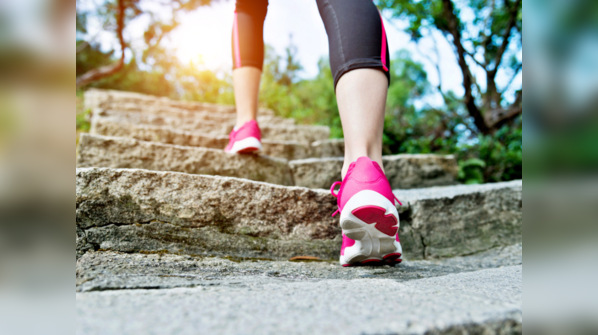
Warm up before walk and cool down after it
Neglecting to warm up before your walk and cool down afterward is a common mistake that can increase your risk of injury and hinder your progress. A proper warm-up prepares your muscles, heart, and joints for exercise by increasing blood flow and flexibility. Start your walk with a few minutes of dynamic stretches or light cardio to loosen up your muscles and get your heart rate up gradually. Similarly, ending your walk with a brief cool-down and stretching routine helps reduce muscle soreness, improve flexibility, and promote recovery. Spending just a few extra minutes on these essential steps can make a significant difference in your overall performance and comfort.
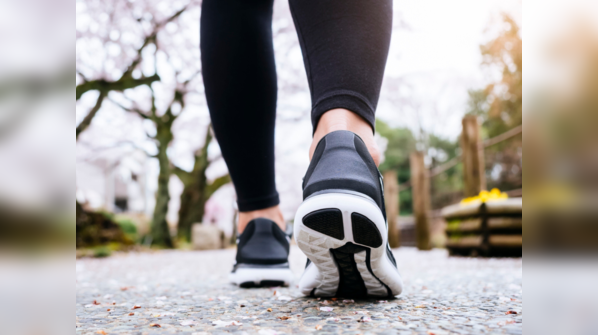
Not wearing proper shoes
Your choice of footwear can significantly impact your walking experience and overall comfort. Wearing improper shoes that lack adequate support or cushioning can lead to foot pain, blisters, and even more severe injuries like plantar fasciitis or shin splints. Invest in a pair of walking shoes that provide proper arch support, cushioning, and stability to protect your feet and joints during your walks. Additionally, make sure your shoes fit properly and replace them regularly as they wear out to maintain optimal support and performance.
Not eating proper food to keep the energy level high
Many people overlook the importance of proper nutrition and hydration when it comes to walking and other forms of exercise. Fueling your body with the right nutrients and staying hydrated is essential for optimal performance, energy levels, and recovery. Before your walk, eat a balanced meal or snack that includes carbohydrates for energy and protein for muscle repair and recovery. During longer walks, bring along a water bottle and drink regularly to stay hydrated and replace fluids lost through sweat. After your walk, refuel with a nutritious snack or meal to replenish your energy stores and support muscle recovery.
King Charles III diagnosed with cancer; was undergoing treatment for benign prostate condition
Featured In lifestyle

