- News
- lifestyle
- health-fitness
- health-news
- Can wearing ear buds impact your hearing ability?
Trending
Can wearing ear buds impact your hearing ability?
Excessive use of earbuds at high volumes can lead to long-term hearing damage and ear infections. Experts recommend following safe listening practices, like the 60/60 rule, to protect your hearing. Cleanliness and volume control are imperative to safeguard against noise-induced hearing loss and other ear issues.
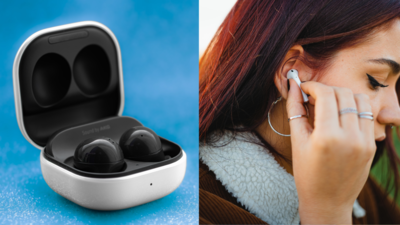
Earbuds have become a part of modern life, offering convenience and fine sound quality. Excessive use, however, can damage your hearing potential in the long run. There are several different hearing devices, including in-the-canal earplugs, earbuds that rest in the outer ear canal, and over-the-ear headphones. These devices all channel sound to the ear, and they provide many advantages to consumers. Yet improper use of the devices can contribute to a number of ear problems.
The WHO recommendations have provided the maximum number of hours of exposure to different intensities of sounds in order to avoid hearing loss. Normal conversation is 60-65 db. The average of personal devices is 80-85 dB. You need to be exposed to sounds above 90 db, say a lawn mower, for a maximum of 8 hours a day. If the sound is more than 100 dB, like in a discotheque, then the time should not exceed 2 hours.
Hearing damage due to high volume
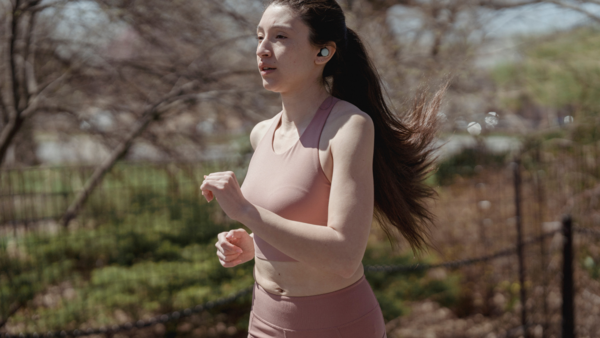
Noise-induced hearing loss (NIHL)
According to Dr. Murarji Ghadge, ENT consultant at Ruby Hall Clinic Pune, “Those who wear earbuds often listen to their music at volumes so high that this can lead to noise-induced hearing loss (NIHL). Gradual and stealthy in its development, NIHL is barely recognized until the sensitive escalations are severely perceptibly impaired. Typical signs and symptoms are muffled hearing, ringing in the ears (tinnitus), and trouble hearing in noisy environments.”
Ear infections and blockages
Prolonged use of earbuds can lock bacteria and moisture in the ear canal, predisposing to infection. Repeated use also forces earwax further into the ear and causes blockage and temporary hearing loss.
Safe listening practices
In order to safeguard your hearing, use the 60/60 rule—listen no more than 60% volume for up to 60 minutes at a time. Noise-canceling earbuds are also useful because they let you listen to the same reduced levels by cutting back on background noise.
In case you are compelled to work using earphones for extended time spans
1. Do not scratch your ears—if you are experiencing dryness and itching, don't utilize your finger nails or any thing else to scratch your ears
2. Use lubricant in the form of coconut oil—particularly if you have dry skin and itchiness.
3. Use over-the-ear headphones whenever possible.
4. If using earphones/ear buds, ensure they are clean and kept in a clean environment. Clean the rubber tips with an alcohol swab from time to time.
5. Use them at recommended volumes only. Do not use them at high volumes for extended periods.
6. Provide sufficient rest to your ears from noise. Rest them every hour or so to facilitate auditory reset.
Therefore, one should not play loud music on the earphones for extended durations. It is advisable to maintain the volume of the device during the use of earphones to 60% of the maximum always. If you stay conscious of earbud usage, then you can play your favorite tunes to your heart's content without compromising the fitness of your hearing.

About the Author
TOI Lifestyle DeskEnd of Article
FOLLOW US ON SOCIAL MEDIA








Photostories
Tired of too many ads?go ad free now
Featured In Lifestyle

Tired of too many ads?go ad free now
Hot on the Web
Heart Blockage SymptomsChia Seeds BenefitsKrushna AbhishekTaarak Mehta Ka Ooltah ChashmahIbuprofen GuidePeppermint Oil For HairMagnesium Oil BenefitsKomodo Dragon vs King CobraWater Weight Loss TipsTanmay BhatGovindaElon MuskRanveer AllahbadiaOptical IllusionWall Sits BenefitsDoomsday FishRajinikanthMere Husband Ki Biwi CollectionChhaava Box Office CollectionChhaava Movie ReviewSadhguru Diet HabitsAshwagandha for Hair GrowthMorning Brain ExercisesUS National ParksUnique AnimalsBig Cat Safari DestinationFatty Liver Reducing FoodsBig Cats IndiaBaby Girl NamesDates Benefits
Trending Topics
Latest MoviesBollywood MoviesHollywood MoviesTamil Movies 2024Telugu Movies 2024Malayalam Movies 2024Kannada Movies 2024Marathi Movies 2024Bengali Movies 2024Top Rated Movies 2024Best Hindi MoviesBest English MoviesBest Telugu MoviesBest Tamil MoviesBest Malayalam MoviesBest Kannada MoviesBest Bengali MoviesUpcoming Hindi MoviesBest Movies Of All TimeBest Hindi Movies of All Time
Popular Categories
Aquarius Monthly Horoscope March 2025Capricorn Monthly Horoscope March 2025Sagittarius Monthly Horoscope March 2025Scorpio Monthly Horoscope March 2025Libra Monthly Horoscope March 2025Virgo Monthly Horoscope March 2025Leo Monthly Horoscope March 2025Cancer Monthly Horoscope March 2025Gemini Monthly Horoscope March 2025Taurus Monthly Horoscope March 2025Aries Monthly Horoscope March 2025Entertainment NewsBollywood NewsTollywood NewsKollywood NewsMollywood NewsMovie ReviewsLatest Hindi MoviesLatest Tamil MoviesParenting TipsHome RemediesWeight LossBeauty TipsParenting TipsHindi VideosHindi Video SongsBhojpuri Music VideosLatest Telugu MoviesBhojpuri Music VideoHindi TV News
Latest News
Ashutosh Gowariker shows off his dance moves as he performs Mitwa from Lagaan at son Konark Gowariker's wedding sangeet: Watch videoWayne Gretzky's controversy takes a new turn as a new video emerges amid ongoing Team Canada support backlashBhagyashree opens up on gender equality at home; says she didn’t believe in leaving her kids Abhimanyu and Avantika with nannies: 'I was far too young to manage both worlds'Alia Bhatt spends time with fans at Mumbai meet-and-greet; check pics“The Only Way to Pay Off Student Loans Is by Dating Him”: SNL Roasts Bill Belichick's Relationship with 24-Year-Old Jordon HudsonEC statement on duplicate EPIC numbers confirms voter list anomalies in Bengal: TMCBride abducted on MP highway, rescued by copsThe Most Awarded Actors in Oscar HistoryTrump isn’t the first US president to lose patience with Zelenskyy — Biden did too, 2022 report revealsVoter card number duplication doesn't imply fraud, says ECDak Prescott and fiancee Sarah Jane Ramos share a heartwarming family moment with their daughter amid NFL announcements'False' toll fee deduction? NHAI cracks the whipRam Charan and Janhvi Kapoor to resume filming 'RC 16' at Parliament and Jama Masjid: ReportLocals force govt to stop Porvorim temple demolition for highway workConservation delivers: Emus to gaurs, Goa's Bondla zoo preps for scores of newbornsHow chronic conditions make us more vulnerable to infectionsEuropean allies rally around Ukraine, to raise defence spendingTesla stock has a 'problem', and it may be related to Elon Musk and DOGE