
- News
- lifestyle
- health-fitness
- health-news
- Coronavirus: Key characteristics of a COVID sore throat; and other top symptoms to note
Coronavirus: Key characteristics of a COVID sore throat; and other top symptoms to note
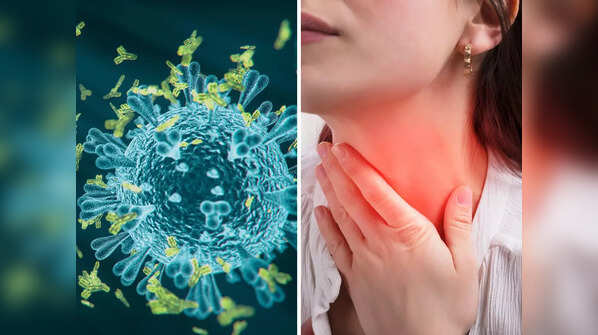
How is a COVID sore throat different?
With a sudden surge in COVID cases in the United Kingdom, experts have warned against a new infection wave that could strike this winter.
Professor Tim Spector, co-founder of the COVID ZOE app recently told The Independent, "Many people are still using the government guidelines about symptoms which are wrong."
"At the moment, COVID starts in two-thirds of people with a sore throat. Fever and loss of smell are really rare now – so many old people may not think they’ve got COVID. They’d say it’s a cold and not be tested," he notes.
While fever and other COVID symptoms still remain prevalent, sore throat has now become one of the most 'dominant' symptoms. What is more concerning is the fact that it can be mistaken for other infections such as a flu or a common cold. That said, here are some key characteristics of a COVID sore throat.

What a COVID sore throat feel like?
There's little to no difference between a sore throat from COVID and a random, flu-related sore throat. However, when it comes to experiencing a COVID sore throat, one may suffer from pain, scratchiness, thickness in the throat, especially while swallowing something.
Other characteristics include a dry, irritating feeling which could be an outcome of inflammation in the back of your throat, which can be very discomforting.

A COVID sore throat can feel like seasonal allergy
Both COVID-19 and an allergy can cause inflammation, leading to runny nose, dry cough, congestion, headache and more. Another common symptom of allergy is sneezing, which has been reported in COVID-infected patients in the recent past. With Omicron, the symptoms have become milder and have started to resemble other respiratory illnesses.
Also read: COVID reinfection: What 'might' happen when you get infected twice, thrice or more?

Note the duration
According to the experts behind the UK's ZOE Covid Symptom Study app, besides being "relatively mild", a COVID sore throat lasts no more than five days.
Anyone who suffers from sore throat for over five days should get themselves tested for some other illness, experts say.
Reportedly, a COVID sore throat “usually” appears in the first week of illness and can improve “quite quickly”.
“It feels worse on the first day of infection but gets better on each following day,” ZOE expert explain.

Associated symptoms can help you tell diseases apart
While sore throat is a commonly reported symptom of COVID-19, it is not the only one. Other tell-tale signs of COVID include:
- Fever or chills
- Cough
- Fatigue
- Muscle or body aches
- New loss of taste or smell
- Shortness of breath or difficulty breathing
- Congestion or runny nose
- Gastrointestinal issues like nausea, vomiting, loss of appetite, diarrhea
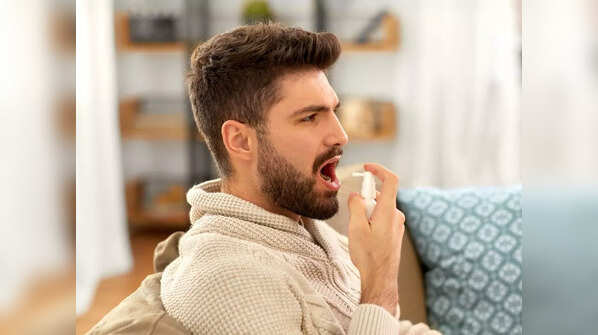
How to soothe a sore throat?
Drinking plenty of warm water can help you stay hydrated and boost your immune system simultaneously. You can also mix a spoonful of honey to soothe the irritation and inflammation in the throat.
Gargle with saltwater to eliminate the virus in the respiratory tracts. It can often be a soothing practice. You can also suck on throat lozenges, which helps keep your throat moist.
Make sure you get enough rest and let your body recover.
In case the home remedies fail, talk to your doctor for medicinal prescriptions.

Protection is key
Prevention is always better than cure.
Wearing masks, maintaining social distance and getting your vaccines are still the most important protective measures against the SARs-CoV-2 virus. While the rate of infection has slowed down in the country, it is not yet over!

Always take expert guidance
Apart from trying home remedies, consult a doctor too. If your throat does not soothe, take medical help.
Isolate yourself till you completely recover from it. Else there are chances you might spread the infection to others.
Check for other COVID symptoms you have. Make a list of the symptoms and seek medical assistance from the doctor.
Featured In lifestyle
