- News
- lifestyle
- health-fitness
- health-news
- Drinking chlorine-disinfected water may cause several types of cancer, says study
Trending
Drinking chlorine-disinfected water may cause several types of cancer, says study
A recent study links long-term consumption of chlorinated water to higher risks of cancers, including bladder, colorectal, and kidney cancer. It highlights the need for improved water treatment methods and suggests practical steps individuals can take to reduce exposure to harmful byproducts.
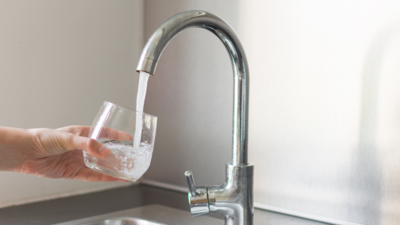
Why is chlorine added to drinking water?
In India, where cholera, typhoid, and dysentery are still common waterborne diseases, chlorine is extensively utilized as a disinfectant to eliminate pathogenic bacteria and viruses. It has been a cornerstone of public health and made sure millions of people had access to clean drinking water. But there is a hidden cost to this convenience.
How does chlorinated water become harmful?

According to Dr. Aravind Badiger Technical Director BDR Pharmaceuticals, “The latest report links drinking chlorinated water with a much higher risk of cancers, which has consequences in the pharmaceutical industry. Chlorine is commonly used in water treatment, but it can also form disinfection byproducts such as trihalomethanes (THMs), which can be connected to carcinogenic effects. For pharmaceutical companies, it is precisely the recommendation to conduct further research on the long-term health harms of chlorinated water consumption. Pharmaceutical companies may need to partner with regulatory agencies to develop better methods for purifying water or treatments that are toxic neutralizing harmful byproducts when using stricter guidelines to safeguard public health.”
Cancer risk from chlorinated water
Bladder cancer since these chemicals become concentrated in the bladder over a period of time. Colorectal cancer as a result of long-term exposure that impacts the health of the gut.
Kidney cancer, since the kidneys purify these toxins, causing cell damage.
Who is most at risk?
- Urban dwellers who drink chlorinated municipal water every day.
- Rural communities with irregular water treatment, resulting in uncontrolled chlorine levels.
- Pregnant women and children, since exposure to THMs has been linked to developmental hazards.
- Individuals with pre-existing health conditions, such as kidney disease or compromised immune systems.
What can be done to reduce the risk?
Though removing chlorine from public water systems is not possible because of its function in preventing disease, individuals can reduce exposure in the following ways:
- Employ activated carbon filters – These can efficiently remove chlorine and its byproducts.
- Boil water prior to drinking – Although this will not eliminate THMs, it can decrease total chlorine content.
- Choose other purification techniques – Reverse osmosis (RO) and UV filtration offer safer disinfection with no toxic residues.
- Store water effectively – Allowing tap water to stand in an uncovered container for a few hours enables some chlorine to evaporate.
- Demand improved water regulation – Require safer water treatment practices that prioritize the reduction of toxic byproducts.

About the Author
TOI Lifestyle DeskEnd of Article
FOLLOW US ON SOCIAL MEDIA









Photostories
Tired of too many ads?go ad free now
Featured In Lifestyle

Tired of too many ads?go ad free now
Hot on the Web
Kiara Advani Pregnancy NewsRamadan 2025 DateKing CobraIbuprofen GuideRamadan 2025 WishesRamadan 2025Tanmay BhatRamadan Wishes 2025GovindaSunita AhujaVitamin D FoodsRanveer AllahbadiaSandeep Reddy VangaOptical IllusionGinger Turmeric Tea BenefitsCloves BenefitsUttam MohantyMere Husband Ki Biwi CollectionChhaava Box Office CollectionChhaava Movie ReviewAshwagandha for Hair GrowthChum DarangUnique AnimalsBig Cat Safari DestinationChickpea Curry RecipeSadhguru Diet HabitsSummer GardeningAnimal SpeedstersAnimals for Good LuckUS National Parks
Trending Topics
Latest MoviesBollywood MoviesHollywood MoviesTamil Movies 2024Telugu Movies 2024Malayalam Movies 2024Kannada Movies 2024Marathi Movies 2024Bengali Movies 2024Top Rated Movies 2024Best Hindi MoviesBest English MoviesBest Telugu MoviesBest Tamil MoviesBest Malayalam MoviesBest Kannada MoviesBest Bengali MoviesUpcoming Hindi MoviesBest Movies Of All TimeBest Hindi Movies of All Time
Popular Categories
Latest News
Cops step in, shield Kerala kiln owner from union troubleDak Prescott shares a heartfelt moment with fiancée Sarah Jane Ramos after marking a major milestoneAs its rift with US widens, EU seeks no-limit ties with India3-year-old may have provoked sexual assault, says collector, shunted outRetain interest rate at 8.25% for current FY: EPFO board75-yr-old dies in bee attack on yajnaElimination Chamber Weekend to Kick-off with a WWE Nissin Foods Partnership AnnouncementIs your high-protein diet making you fat?Los Angeles Lakers - Best Defense in NBA: Lebron James Showcases His Versatility in the Changing Landscape of the TeamShark Tank India 4: Aman Gupta questions Jaipur-based baby essentials founders for choosing Vineeta Singh over Ritesh Agarwal; Vineeta jokes, ‘Tum Kyu Phut Daal Rahe Ho?’22 missing after avalanche buries BRO camp in Uttarakhand"Keep him out": Aaron Rodgers’ potential move to the New York Giants sparks a controversial debate'President's team was scared to death': Biden's aide admits administration covering up concerns over his age and healthMika Singh recalls gifting Shah Rukh Khan, Amitabh Bachchan and Gurdas Maan a Rs 50 lakh diamond ring, shares secret moments from Hrithik Roshan's birthday bashTriple H Could Arguably Turn One WWE Legend Heel After a Controversial RAW Appearance on Netflix Debut EpisodeIrrfan Khan's son Babil Khan clarifies his mother Sutapa Sikdar solely built the farmhouse in Maharashtra village 'Hero Chi Wadi': 'These were the dreams Baba couldn't fulfill'Suicide blast kills 5 in Pakistan madrasa known as ‘university of jihad’Govinda's wife Sunita Ahuja shuts down divorce rumours, reveals why they live separately: 'Koi mai ka laal...' | Watch video