
- News
- lifestyle
- health-fitness
- health-news
- Food poisoning vs. gastrointestinal infection: What’s the difference?
Food poisoning vs. gastrointestinal infection: What’s the difference?
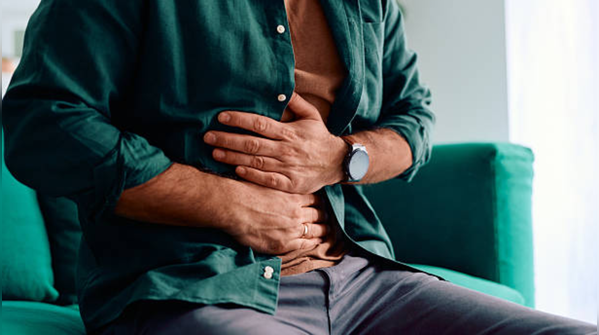
“Each food piece that we eat gets an invisible quality check at the gut level”: Dr. Sameer Bhati, Public Health Analyst
The human digestive system has a dual nature of being tough and very delicate at the same time. Each food piece that we eat gets an invisible quality check at the gut level and occasionally, some unwanted guests come in. Food Poisoning and Gastrointestinal Infection are two of the most prevalent and misunderstood results of such an invasion. Although these words are commonly used interchangeably in conversational contexts, they are different in medical terms. Setting apart these terms is essential, not for the sake of curiosity, but for timely care, prevention, and even public awareness.
(Dr. Sameer Bhati, Public Health Analyst)
What makes them so different at the core?
The primary distinction concerns the method of damage. Food poisoning is, in a way, nothing but the body's reaction to poisons that were already in the food before it was consumed. The potential sources of toxins can be bacteria such as Staphylococcus aureus or Clostridium botulinum, chemical contamination, and food that is unfit for human consumption.
On the other hand, GI infections are a result of invading pathogens. A virus-It could be norovirus or rotavirus- or bacteria like Salmonella or E. coli, or parasites enter the digestive tract, attach to the intestine wall, and start multiplying. In this case, it is not the pre-made toxins but the whole process of the infection that causes sickness.
Where does the trouble begin?
Food poisoning is basically pre-packaged harm--an issue of contaminated plates, not contaminated people. The villain is the meal you just ate. GI infections, however, are stealth travellers, often entering the system via unwashed hands, unclean water, shared surfaces, and poorly sanitised utensils.
This makes them less of a food problem and more of a public hygiene problem.
Timing tells a story
When symptoms manifest can often be quite useful in identifying the cause. Generally speaking, food poisoning is like an alarm bell that is very sudden, loud, and quick; it usually occurs within a few hours of eating. GI infections take their time, typically rising a day or more after exposure, because pathogens multiply first before symptoms do.

Symptom similar yet not identical
Both conditions share classic symptoms: nausea, stomach ache, vomiting, diarrhoea, and fatigue. Yet there are distinguishing features. Food poisoning often presents with early, intense vomiting soon after ingesting the offending item. Symptoms come on suddenly but often diminish comparatively quickly.
GI infections may also involve protracted diarrhoea, body aches, and fever—generally a systemic response to the presence of an infection the body is fighting. It may seem more like a long, hard battle rather than a short siege.

How long does each last?
Generally, food poisoning is a very short-lived event, with its peak occurring and disappearing within 12-24 hours when the toxins are removed from the body. Thus, the only means for recovery are rest and fluid replacement.
Gastrointestinal infections can indeed last for more than a week, and in most cases, the doctor’s intervention, oral rehydration, or specific medication corresponding to the cause, being bacterial or parasitic, is necessary.
Can it spread?
In fact, that's one of the biggest differences: food poisoning is not contagious-you can't 'catch' it from another person; gastrointestinal infections, on the other hand, can spread rapidly amongst crowds through physical contact, shared toilets, contaminated surfaces, and poor hand hygiene.
How do we prevent both?
Washing hands with soap and water before and after cooking, eating, and using the restroom
Preparing foods (mainly meat and fish) properly.
Not consuming milk, eggs, fish, and other products that are unpasteurized, raw, or undercooked.
Using only pure water that has been filtered
Refrigerating perishable items at the appropriate temperature
Discarding food with a bad odour, strange appearance, or taste.
Conclusion
These illnesses are not only related to personal health but also reflect the health of the entire population. Proper awareness of food handling procedures, sanitation, and drinking water safety in the community will greatly cut down the number of such diseases. Prevention is better than a cure, but more importantly, it is smarter than a crisis. In the long run, your gut may grant you a rare mistake, but your habits should not. So, stay informed, stay safe, and most importantly, stay clean.
Featured In lifestyle

