
- News
- lifestyle
- health-fitness
- health-news
- 5 lifestyle mistakes that cause hair loss
5 lifestyle mistakes that cause hair loss
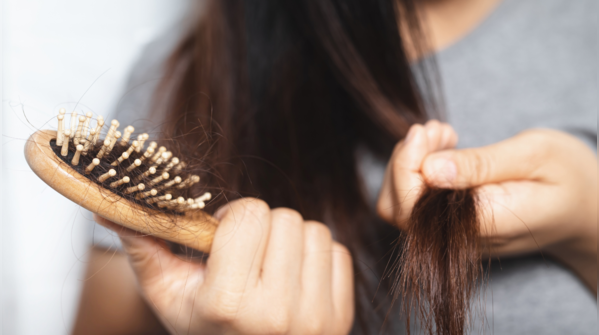
Here’s a list of common lifestyle mistakes that cause hair loss
Losing hair is something most people don’t talk about, but it’s a problem many face. Sometimes it’s not just about genes or age. Everyday habits and lifestyle choices can actually make hair thinner or cause it to fall out. These are the small things that pile up over time, and because life’s so busy, it’s easy to overlook them.
Here’s a list of common lifestyle mistakes that cause hair loss and ways to be a little kinder to the hair without turning everything upside down.
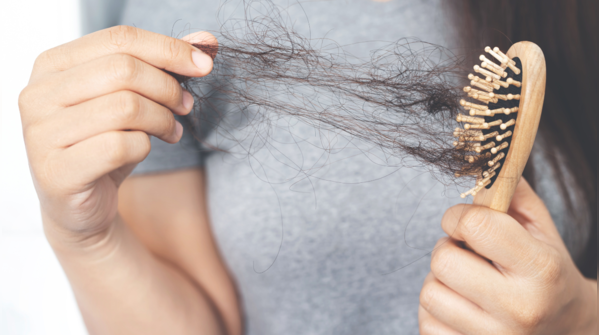
Skipping meals
Skipping meals or eating foods that don’t give the body what it needs is a big reason for weak hair. Hair needs good fats, protein, iron, and vitamins to stay healthy. If the body isn’t getting enough nourishment, hair becomes dry, brittle, and starts falling out. Grabbing chips, sweets, or fried snacks when hungry might feel convenient, but it doesn’t help hair in the long run. Many people don’t drink enough water or skip meals, thinking it won’t make much difference, but over time, this neglect shows in hair texture and volume.
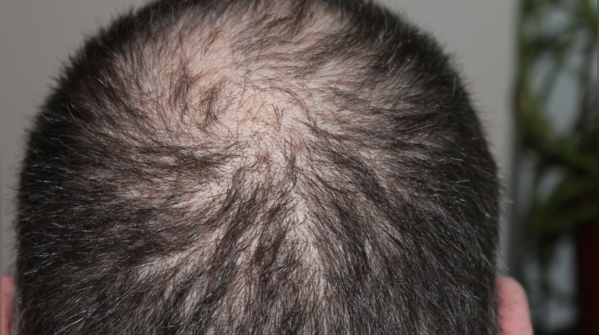
Letting stress take over
Stress is one of those things that sneaks in and affects hair without warning. When life gets overwhelming, the body releases stress hormones that interfere with hair growth. Many people notice sudden hair fall after a stressful period, it’s not in the head, it’s real. Chronic stress also increases inflammation in the body and disrupts hormonal balance, both of which directly affect hair growth.
Even taking a few minutes to breathe deeply, go for a walk, or talk to someone can help bring stress levels down and give the body time to recover.
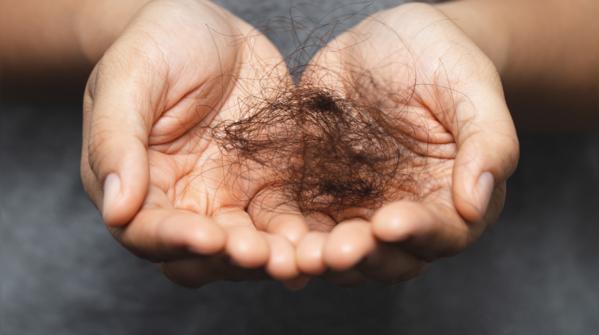
Styling aggressively
Straightening irons, curling tools, and blow dryers are tempting, especially when trying to look good fast. But using heat often, or applying too many styling products, can dry out the hair and damage the strands. Over time, hair becomes weaker and breaks easily. Similarly, chemical treatments like bleaching, coloring, or perming change the structure of hair, making it prone to falling out.
It’s fine to style occasionally, but giving hair some time to rest between treatments and using a heat protectant when styling can keep hair healthier.
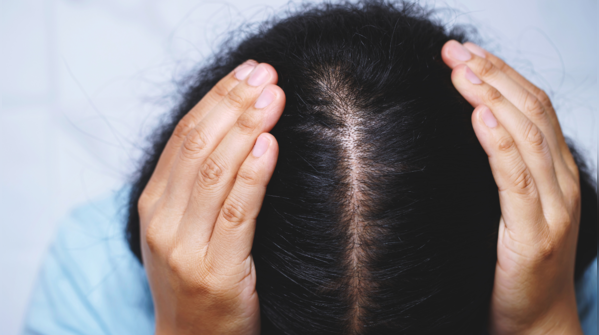
Washing hair too much or sleeping with wet hair
Washing hair every day strips it of natural oils, which keep hair soft and strong. On the other hand, not washing it enough causes dirt, oil, and sweat to build up, leading to clogged follicles and scalp irritation. Both extremes can cause hair to fall out.
Washing hair every couple of days with a gentle shampoo, making sure the scalp is clean but not over-scrubbed, helps keep hair in good shape. It’s tempting to wash hair at night and hit the bed with it still wet, but wet hair is more fragile and breaks easily while sleeping. Similarly, tying hair tightly in ponytails or buns every day pulls at the roots and causes something called traction alopecia, which is hair loss from constant pulling.
Letting hair air dry before sleeping and opting for loose hairstyles helps prevent unnecessary stress on the hair.
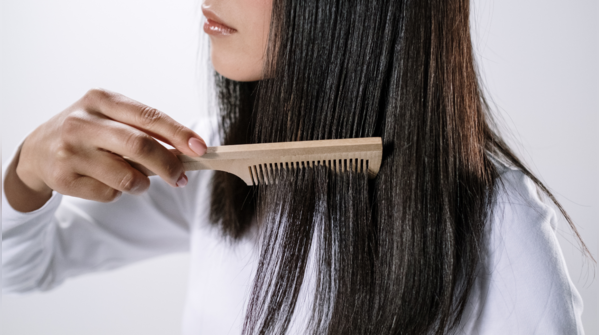
Not drinking enough water
Dehydration affects the whole body, and hair isn’t spared. Hair strands need moisture to stay strong, and when the body is dry, hair loses its bounce and starts breaking. Drinking enough water throughout the day and eating water-rich fruits like cucumber and watermelon helps keep hair soft and hydrated. Dehydration leads to dryness in both scalp and hair strands, making them brittle and prone to breaking. When the scalp isn’t properly hydrated, it’s harder for nutrients to reach hair roots.
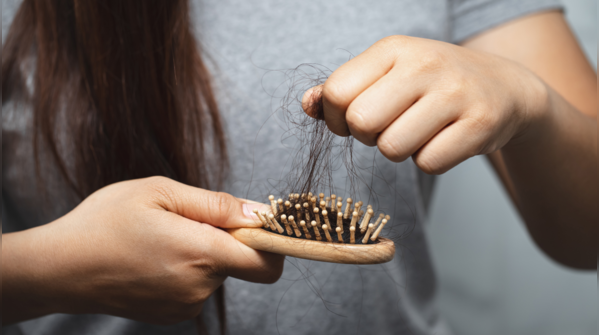
Not getting enough sleep
Sleep is when the body heals, and that includes hair. Staying up late or sleeping poorly disrupts hormones and keeps the body from regenerating hair properly. Over time, this leads to more hair fall and slower regrowth.
Making sleep a priority aiming for at least 7 to 8 hours a night helps the body recharge and supports stronger hair.
Hair loss isn’t always about expensive treatments or genetics. It’s often the small, everyday things, not eating right, stressing too much, over-styling, or neglecting sleep that quietly wear hair down.
Featured In lifestyle

