
- News
- lifestyle
- health-fitness
- health-news
- Pneumonia symptoms: 5 red flag signs of the deadly disease in China
Pneumonia symptoms: 5 red flag signs of the deadly disease in China
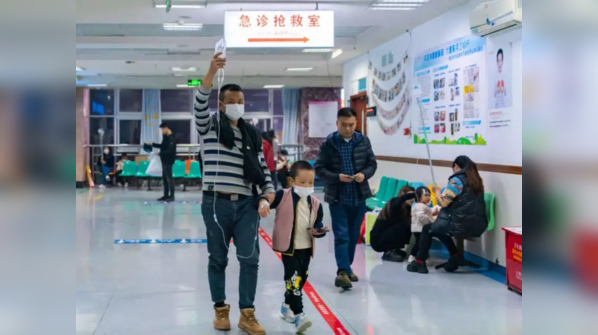
Pneumonia cases in China
China is grappling with a surge in pneumonia cases in children. After worries surrounding possible rise of a new pathogen, the World Health Organization (WHO) said last week that common winter infections are behind the spike in hospitalizations, rather than any new pathogens.
This winter is also China’s first without COVID-19 restrictions since the pandemic began in 2020, hence a surge of infections was expected in the country, as per reports. However, what is unusual is the high prevalence of pneumonia in China, instead of influenza or respiratory syncytial virus (RSV) as seen in other countries, noted epidemiologists.
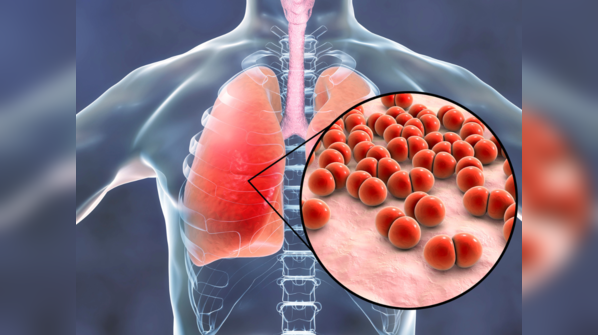
Understanding pneumonia and its impact
Pneumonia causes inflammation of the lungs, which is most commonly caused by an infection. Most people will recover in a few days, however, vulnerable people such as the elderly and young children are at risk of a severe illness. In serious cases, this inflammation can result in hospitalization and even death.

Warning signs of pneumonia
Here are five major red flags of pneumonia, knowing which can help to spot the disease and seek timely diagnosis and treatment. These signs include chest pain during breathing or coughing; feeling tired or weak; nausea and/or vomiting; diarrhea; and shortness of breath. It is important to note that these signs can be easily mistaken for signs of a cold or the flu. Symptoms can also differ from person to person, especially depending on the age of the patient.

Signs of pneumonia in older patients
According to the Senior Home Care by Angels website, signs of pneumonia may be less noticeable in older people under the age of 65, notes Express UK. They often have fewer and more mild symptoms.
“For example, the phlegm-ridden cough and high fever accompanied with teeth-chattering chills often associated with pneumonia is often non-existent in older adults. So we have to look for other signs. Two red-flag signs of pneumonia in older adults are confusion and/or delirium, as well as a lower than normal body temperature,” shares the Senior Home Care by Angels website.

Other symptoms of pneumonia
According to the NHS UK, other symptoms of pneumonia include coughing up yellow or green mucus (phlegm), a high temperature, an aching body, feeling very tired, loss of appetite, making, wheezing noises when you breathe, and feeling confused (this is common in older people).

Emergency warning signs
It is important to call an ambulance or rush to the hospital if you're struggling to breathe; you have pale, blue or blotchy skin, lips or tongue; you suddenly feel confused; and/or you cannot wake your baby and they feel floppy.
Read more: Understanding hormone imbalance: Common symptoms in men and women
Featured In lifestyle

