
- News
- lifestyle
- health-fitness
- health-news
- The science of longevity: Building a longer and healthier life one habit at a time
The science of longevity: Building a longer and healthier life one habit at a time

Evidence-based health tips for a longer, stronger life
Living longer isn’t just about good genes or expensive treatments, it’s mostly about the small choices we make every day. From how much we move and sleep to what we eat and how we manage stress, science shows that our daily habits quietly shape how well we age. You don’t need extreme diets or marathon workouts to make a difference. Simple, consistent lifestyle changes can improve physical strength, brain health, heart function, and overall quality of life. This guide by Dr Prateek Sharma, MD, Kansas City, USA breaks down research-backed insights into easy, practical habits that can help you live not just longer, but healthier and stronger too.

Physical performance boosts life expectancy
The expert says those with higher Short Physical Performance Battery (SPPB) scores had increased survival rates. He also stresses that those with faster gait speeds had a lower risk of mortality. Physical performance is a key target for interventions aimed at extending health span.
Summary: Improving physical performance may extend life expectancy.

Exercise lowers risk of hospitalization
Sustained participation in structured exercise programs lowers risk of all-cause hospitalization, says Dr Prateek Sharma and urges to include cardiovascular exercise, along with strength and flexibility training in daily routine.
Summary: Exercise programs significantly reduce risk of hospitalization.
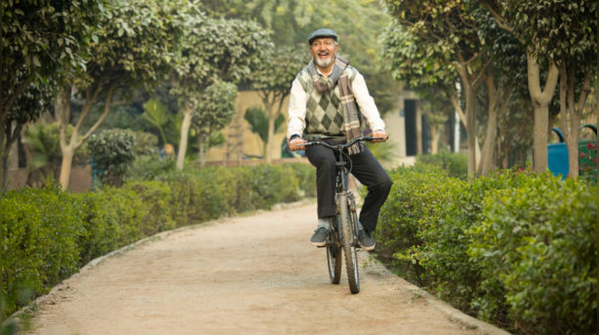
Dementia risk reduced by cycling
Cycling reduces risk of all-cause dementia, advises Dr Sharma and adds that those who cycle show markers of better brain health. Cycling was linked to reduced risk for Alzheimer’s disease and both young onset and late-onset dementia.
Summary: Cycling may reduce risk of getting dementia and enhance brain health in middle-aged and older adults.

Prevent muscle loss with resistance exercise
Sarcopenia has negative impact on strength needed to complete daily activities.
The most effective intervention to combat this decline is tailored resistance exercise programs focused on power training. Incorporating muscle assessments and targeted exercise recommendations is beneficial, shares the doctor.
Summary: Resistance exercise helps aging patients maintain quality of life.

Lifestyle interventions for T2D
Dr Sharma stresses on the common talk points around T2D prevention. Calorie restriction, he says, is a common diet strategy, but failure to adhere reduces the strategy’s efficacy. He also talks about intermittent fasting which he says is prevalent; however, evidence of its effectiveness is currently limited. Intermittent fasting does show improvements in body weight, BMI and glycemic markers, but not in other areas compared to dietary constraint, he says.
Summary: Intermittent fasting may offer a beneficial approach for patients
who struggle with calorie reduction.

Being active is good for people with diabetes
Getting 150 minutes of weekly moderate-to-vigorous activity over 3 to 4 days is recommended for those with diabetes, recommends Dr Sharma. This exercise schedule is linked to a lower risk of death from all causes and heart disease, he says and adds that completing your weekly recommended physical activity in just 1 or 2 sessions on the weekend offers similar benefits.
Summary: Protective effects of physical activity were primarily driven by a reduced risk of cardiovascular-related deaths.
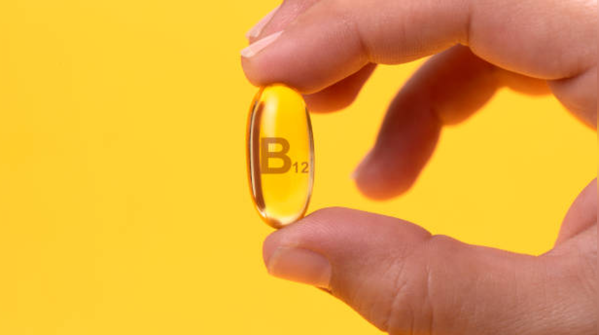
Elevated B12 associated with slower cognitive loss
Higher vitamin B12 levels in mid-to-late life are linked to slower decline in memory, executive function, and language and maintaining sufficient B12 levels helps support cognitive health independently of folate levels, says Dr Sharma. He recommends pptimizing B12 status may be important for reducing age-related cognitive decline.
Summary: Keeping optimal B12 levels as you age may reduce cognitive decline.
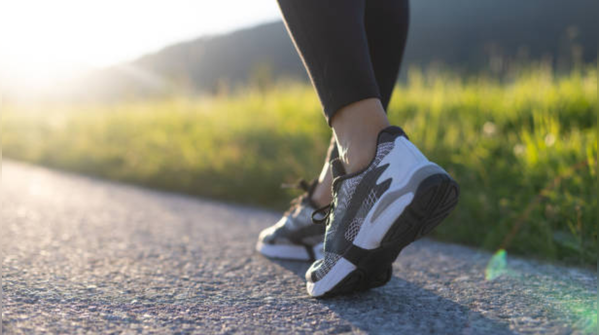
Regular walking may help slow Alzheimer’s disease
Walking more than 5000 steps each day can help slow memory and thinking problems in people with early Alzheimer's disease. Higher daily activity levels are linked to less buildup of tau protein in the brain, which is connected to disease progression. Staying physically active supports better cognitive and daily function, regardless of other brain changes.
Summary: Walking 5000 steps a day may help slow early Alzheimer's by reducing tau buildup.

Maintaining muscle mass is key to living longer
Skeletal muscle reduces risk of metabolic diseases, such as type 2 diabetes, says Dr Sharma and urges people to incorporate resistance training and eating enough protein as it helps build muscle. Even light resistance training can greatly improve muscle health and function, he says.
Summary: Maintaining muscle is vital to living a healthy and longer life.

New dementia test available
The new screening test, qBEANS, was developed to improve early detection of Alzheimer’s disease. This quick behavioral exam involves spooning kidney beans into cups to assess motor learning, memory and function.
Summary: New test offers a fast, reliable dementia screening that can be
done at your family physician’s office in only four minutes.

Longevity is influenced by lifestyle choices
Lifestyle is the primary determinant of longevity, says Dr Sharma and adds that longevity mindset encourages individuals to maintain their health to benefit from future medical breakthroughs and having a proactive approach to health and wellness can maximize life expectancy and quality of life.
Summary: Lifestyle and mindset can strongly affect how long and how well you live.

Identifying processed foods
To help understand what processed foods actually are, Dr Sharma explains that processed foods are changed from their natural state with two or three
ingredients, ultra-processed foods are made with five or more ingredients and contain high levels of sugar, saturated fats, and artificial additives, colorants, and flavorings.
Summary: Limit ultra-processed meats/sugary drinks to reduce health risks.

Incidental activity linked to lower heart risk
Moderate to vigorous incidental physical activity (IPA), like housework, is
linked to lower risks of cardiovascular disease, recommends Dr Sharma and explains that it increased IPA benefits heart health, especially for those unable to participate in formal exercise.
Summary: Integrating more daily activities may be beneficial for heart health

Cardiovascular risk prediction
Lp(a) testing can enhance health risk categories and guide preventive therapy decisions.
Lp(a) inclusion is more beneficial for assessing risk prediction in lower risk individuals.
It can meaningfully reclassify risk categories in those with elevated levels.
Summary: Lp(a) testing can clarify cardiovascular risk, particularly in low risk individuals.

Diabetes diet comparison
Dr Sharma talks about the common diet patterns linked to diabetes control. The DASH diet modified for diabetes lowered blood glucose. The Mediterranean diet lowered T2D risk and enhanced blood sugar control. Paleo and Keto diets offer potential benefits, but their long-term impact is uncertain.
Summary: DASH and Mediterranean diets greatly aid diabetes control.

Benefits and risks of artificial sweeteners
Using artificial sweeteners long-term increases obesity risk and impacts
cardiometabolic health and consuming artificial sweeteners short-term can help with weight loss, Dr Sharma clears on the myths around use of artificial sweeteners. “They can have a potential negative impact on appetite control and increase your risk of type 2 diabetes and cardiovascular diseases,” he warns.
Summary: Artificial sweeteners pose long-term health risks.

Sleep and heart health
Irregular sleep patterns and poor sleep quality are linked to poor heart health, advises Dr Sharma citing AHA's updated statement that emphasizes on the need for cardiologists to address sleep health. Integrating sleep quality assessments into cardiovascular care is suggested.
Summary: Sleep quality, not just duration, is crucial for cardiovascular health

Vitamin C has limited effect on colds
Daily intake of vitamin C may reduce cold duration by approximately 9 hours. Vitamin C has not been shown to prevent the common cold or lower its occurrence in the general population.
Summary: Vitamin C offers minimal benefit for preventing and treating the common cold.

Managing leg cramps with vitamin K
Vitamin K can effectively reduce how often night leg cramps occur. It can also reduce the duration of leg cramps, says Dr Sharma and adds that Vitamin K supplements are not associated with side effects and have a very low potential for toxicity.
Summary: Vitamin K has been shown to effectively reduce nocturnal leg cramps.
Featured In lifestyle

